
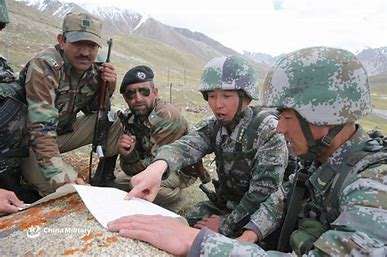
In recent weeks, the Chinese military has notably declined to provide responses to pressing inquiries regarding the effectiveness and performance of its weaponry supplied to Pakistan. This deliberate silence has attracted considerable attention from international defense experts and diplomatic observers alike, as it pertains to the growing military cooperation between the two nations and its implications for regional secure.
For many years, China has stood as Pakistan’s foremost supplier of military equipment, furnishing a variety of advanced weapon systems ranging from combat aircraft and drones to missile platforms and naval vessels. This arms relationship has been a cornerstone of the strategic alliance between Beijing and Islamabad, reflecting shared interests in defense and regional influence.
Despite the prominence of these military exchanges, questions have surfaced concerning the actual battlefield performance of these Chinese-origin arms once deployed by Pakistan’s armed forces. In particular, inquiries have centered on the operational reliability of Chinese drones, precision of missile systems, and durability of armored vehicles in active combat scenarios.
Repeated attempts to obtain official commentary or detailed performance assessments from Chinese military officials have met with evasion or silence. Defense analysts speculate this reticence may be intended to safeguard sensitive military technologies or to conceal potential deficiencies in the weapons’ combat effectiveness.
This lack of transparency becomes more significant against the backdrop of recent military confrontations along disputed borders, where such weaponry is believed to have been employed. Transparency in performance data would not only serve to build international confidence in China’s arms exports but also provide valuable insights for improving these systems in future iterations.
Moreover, the reluctance to address these concerns contrasts with China’s generally open posture when discussing its indigenous military developments, prompting questions about the challenges faced by Pakistan in operating these imported systems under complex conditions.
The strategic consequences of this opacity extend beyond the bilateral relationship. Neighboring countries, particularly India, which closely monitors the Sino-Pakistani defense nexus, find the uncertainty around the effectiveness of Chinese-supplied arms to Pakistan a complicating factor in their own military planning and regional security assessments.
Conclusion:
The Chinese military’s avoidance of commentary on the performance of weapons provided to Pakistan creates a crucial gap in understanding the operational realities of this significant defense partnership. While China continues to be Pakistan’s primary arms benefactor, the absence of open discussion highlights broader concerns about accountability and the reliability of such military aid. Clarity on these matters will be vital for all regional stakeholders as they seek to navigate the shifting military dynamics of South Asia.

