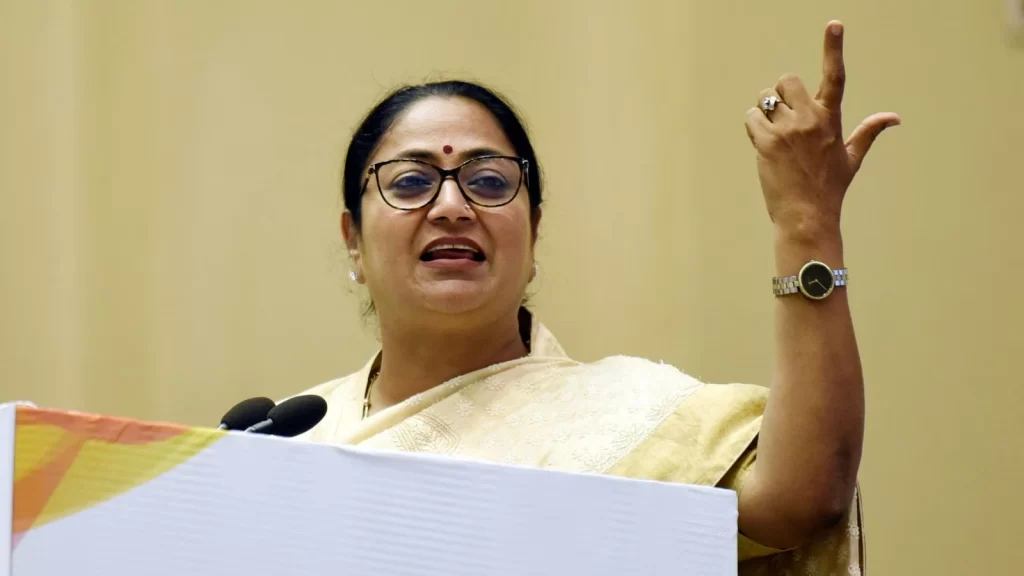
Delhi Chief Minister Rekha Gupta has announced a major expansion of the city’s public healthcare network, with 187 new Ayushman Arogya Mandirs set to become operational by December 2025. This move marks a significant step in the Bharatiya Janata Party (BJP) government’s effort to strengthen primary healthcare access across the national capital, aligning with the central government’s Ayushman Bharat programme.
As of now, 168 Ayushman Arogya Mandirs are already functional across Delhi, providing essential medical services, preventive care, and diagnostic facilities. With the addition of 187 new centers, the total number will rise to over 350 by the end of the year, substantially improving healthcare coverage in both urban and semi-urban regions.
Chief Minister Gupta emphasized that the initiative aims to ensure universal and equitable access to healthcare services. “Our goal is to make quality healthcare accessible to every resident of Delhi, especially those in underserved areas. The Ayushman Arogya Mandirs will play a crucial role in preventive health, early diagnosis, and continuity of care,” she said during a press briefing at the Delhi Secretariat.
These health centers are part of a broader transformation of the city’s healthcare infrastructure, replacing the earlier Mohalla Clinics model introduced in previous administrations. The upgraded Ayushman Arogya Mandirs are designed to offer a wider range of services, including non-communicable disease screening, maternal and child health support, immunization, and teleconsultation facilities linked to district and tertiary hospitals.
Health officials noted that each center will be staffed with trained medical officers, nurses, and community health workers to provide round-the-clock primary care. The government also plans to integrate digital health records for all patients visiting these centers, in line with the Ayushman Bharat Digital Mission.
Experts have welcomed the initiative as a forward-looking approach that combines accessibility with technology. Public health analyst Dr. Meera Raghavan said, “The move from Mohalla Clinics to Ayushman Arogya Mandirs reflects a broader, more sustainable vision for community-based healthcare. If implemented efficiently, it could significantly reduce the patient load on Delhi’s major hospitals.”
The Delhi government has allocated a substantial portion of its 2025–26 health budget to this expansion, focusing on infrastructure upgrades, digital systems, and supply chain improvements for essential medicines and diagnostics.
As the rollout progresses, the administration has also prioritized transparency and accountability through periodic monitoring and public feedback mechanisms. The state health department will conduct regular assessments to ensure the centers meet quality standards and serve communities effectively.
With this initiative, the Rekha Gupta-led government is signaling a shift toward integrated, preventive, and technology-enabled healthcare delivery. By the end of 2025, Delhi could emerge as a model for urban health transformation under the Ayushman Bharat framework, bringing the vision of “Healthy Delhi, Empowered India” closer to reality.