
August 4, 2025 — India’s retail inflation, measured by the Consumer Price Index (CPI), eased to 3.18% in July, marking its lowest level in 15 months, according to data released by the Ministry of Statistics and Programme Implementation. The decline signals a moderation in overall price pressures; however, food inflation remains elevated, pointing to continued strain on household budgets.
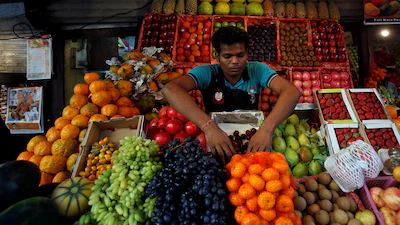
Despite the positive headline figure, food inflation rose to 7.5% during the same period. Prices of essential items such as vegetables, pulses, and cereals recorded a sharp increase, largely due to irregular monsoon patterns that disrupted agricultural supply in several states.
Economists attribute the decline in headline inflation to a combination of favorable base effects and softening core inflation. However, they caution that the persistent rise in food prices could pose a challenge for the Reserve Bank of India (RBI), which targets inflation within the 2–6% range.
“While the drop in CPI inflation is encouraging, high food prices continue to impact the average consumer, particularly lower-income households,” said Dr. Anil Mehra, senior economist at the Centre for Economic Research. “Unless food inflation is addressed, the benefits of easing inflation may not be fully felt at the ground level.”
The RBI, which has kept its policy rate unchanged in recent reviews, is expected to remain cautious ahead of its next Monetary Policy Committee (MPC) meeting. Experts believe the central bank will closely monitor the trajectory of food inflation before considering any rate changes.
Meanwhile, India’s export sector continues to show strength, offering a positive counterpoint to domestic inflation concerns. Merchandise exports grew by 8.7% year-on-year in July, driven by strong demand for petroleum products, pharmaceuticals, and engineering goods. The robust performance has helped stabilize the country’s current account and foreign exchange reserves.
The mixed data presents a complex picture of the Indian economy — with headline inflation cooling, external trade gaining momentum, but essential commodity prices still straining consumer wallets. Policymakers now face the dual challenge of supporting growth while ensuring price stability, especially for food and other daily essentials.
As India moves further into the second half of the financial year, the government is expected to closely monitor food supply and price trends, possibly introducing buffer stock releases or import relaxations to ease pressure on consumers.

