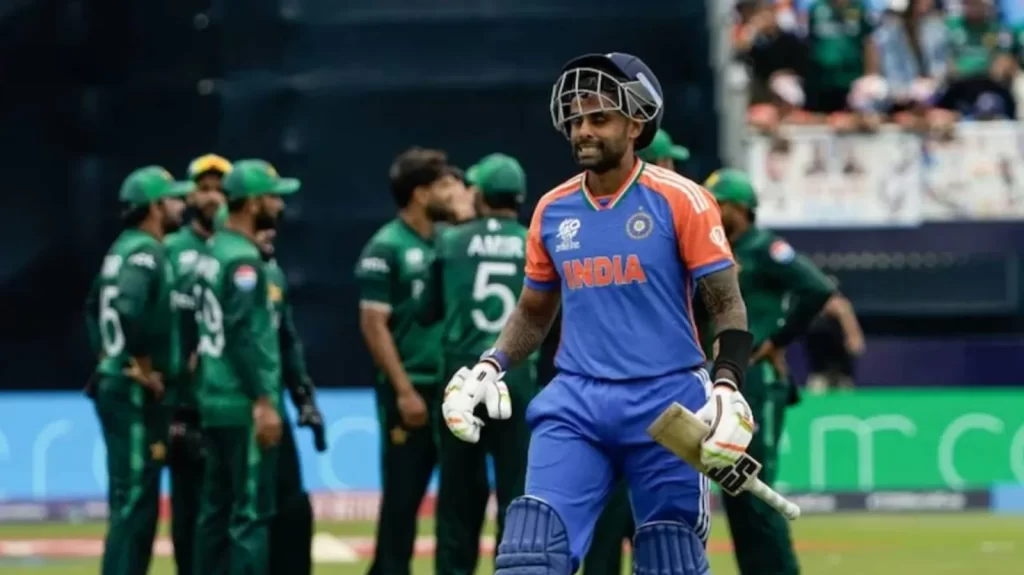
13 September,2025-As the Asia Cup 2025 approaches, the scheduled India vs. Pakistan match on September 14 at Dubai International Cricket Stadium has become a focal point of national controversy. The fixture, less than five months after the deadly Pahalgam terror attack that claimed 26 Indian lives, has sparked widespread calls for a boycott, reflecting deep-seated anger and political tension.
The April 22 attack in Pahalgam, Jammu and Kashmir, attributed to Pakistan-based militants, left 26 Indian tourists dead. This tragedy has fueled public outrage, leading to demands for severing all ties with Pakistan, including sporting engagements. Families of the victims, such as Aishanya Dwivedi, widow of one of the deceased, have publicly condemned the match, urging a boycott as a mark of respect and protest.
The call for a boycott has resonated across political lines. Opposition parties, including Shiv Sena (UBT), have criticized the government’s decision to proceed with the match, questioning the propriety of engaging with Pakistan so soon after the attack. Shiv Sena (UBT) leader Aaditya Thackeray remarked, “Can blood and cricket flow together?”
In a notable development, the Board of Control for Cricket in India (BCCI) has distanced itself from the match. Reports indicate that several BCCI officials have decided not to attend or view the game, citing the sensitive nature of the situation and potential backlash.
The India-Pakistan cricket rivalry, historically charged with political undertones, faces new scrutiny. The upcoming match is the first between the two nations since the May 2025 military conflict, which nearly escalated into war. Political relations have deteriorated further since the clashes, with several former Indian players urging the BCCI to reconsider the fixture.
Despite the controversy, the International Cricket Council (ICC) has confirmed that the match will proceed as scheduled, adhering to existing tournament commitments. The BCCI has aligned with government directives to participate, emphasizing the importance of honoring international agreements.
Public sentiment is visibly divided. While some fans express eagerness for the high-stakes encounter, others have chosen to abstain from attending as a form of protest. Reports indicate that tickets for the match are still available, a departure from the usual swift sell-out of India-Pakistan fixtures, suggesting a potential impact of the boycott calls on attendance.
The India-Pakistan Asia Cup match stands at the intersection of sport and geopolitics. While cricket enthusiasts anticipate the clash, the shadow of the Pahalgam attack looms large, influencing public opinion and political discourse. As the match approaches, the nation remains divided, reflecting the complex relationship between sporting events and national sentiment.