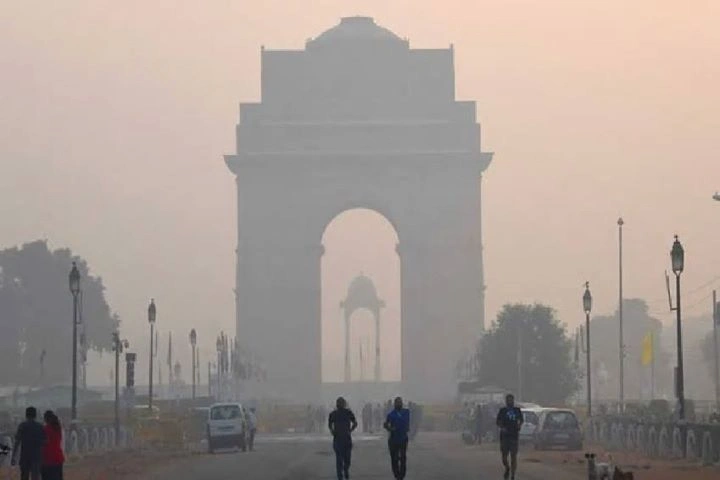
Delhi and the wider National Capital Region (NCR) have once again come under stringent anti-pollution restrictions as authorities reimposed Stage III of the Graded Response Action Plan (GRAP) after air quality deteriorated to the “severe” category. The move reflects growing concerns over public health as Delhi air pollution, driven by a toxic mix of vehicular emissions, industrial activity, construction dust, and unfavourable meteorological conditions, continues to choke the region.
According to official assessments, the Air Quality Index (AQI) crossed the severe threshold, prompting the Commission for Air Quality Management (CAQM) to activate tougher curbs aimed at preventing further deterioration. Stage III measures are enforced when AQI levels breach critical limits, signalling heightened health risks, especially for children, the elderly, and those with respiratory or cardiovascular ailments.
What Stage III GRAP Means for Delhi-NCR
The reimposition of Stage III GRAP curbs brings a series of restrictions designed to reduce pollution load immediately. Key measures include:
- Ban on non-essential construction and demolition activities
- Restrictions on diesel generator usage, except for essential services
- Limits on the operation of polluting industries
- Enhanced checks on vehicular emissions, including restrictions on certain diesel vehicles
- Increased frequency of mechanised road sweeping and water sprinkling
These steps are in addition to the measures already in place under Stages I and II of GRAP, which focus on controlling dust, managing waste burning, and promoting cleaner transport options.
Current Status of Air Quality in Delhi-NCR
| Parameter | Status |
|---|---|
| AQI Category | Severe |
| GRAP Stage | Stage III |
| Primary Pollutants | PM2.5, PM10 |
| Key Risk Groups | Children, elderly, patients with asthma and heart disease |
The spike in pollution levels has been attributed to a combination of low wind speed, temperature inversion, and sustained emissions from vehicles and local sources. Experts warn that without immediate intervention, the situation could worsen, leading to emergency-level restrictions.
Health and Economic Implications
Severe air pollution episodes have far-reaching consequences beyond immediate health risks. Prolonged exposure to high levels of PM2.5 pollution can lead to chronic respiratory diseases, reduced lung function, and increased hospital admissions. Economically, construction halts and industrial slowdowns under GRAP Stage III can impact daily wage workers and small businesses, highlighting the delicate balance between environmental protection and livelihoods.
Authorities Urge Public Cooperation
Officials have appealed to residents to cooperate by limiting outdoor activities, using public transport where possible, and avoiding activities that contribute to air pollution. Schools have been advised to curtail outdoor activities, while employers are encouraged to consider flexible or work-from-home arrangements to reduce traffic congestion.
Outlook Ahead
With winter conditions intensifying, experts caution that Delhi’s air quality may remain volatile in the coming weeks. Authorities have indicated that stricter measures, including Stage IV GRAP curbs, could be considered if pollution levels fail to improve. The recurring need for emergency responses underscores the urgency of long-term solutions, including cleaner energy adoption, sustainable urban planning, and regional coordination to tackle air pollution at its source.
As Delhi-NCR once again grapples with a severe air quality crisis, the reimposition of Stage III GRAP serves as a stark reminder of the structural challenges facing India’s capital in its fight for breathable air.