
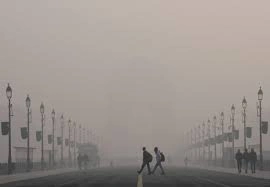
In a decisive move to counter the escalating air pollution emergency, the Delhi government has mandated a 50% work-from-home (WFH) policy for all government and private offices, effective December 18, 2025. The directive comes amid persistently hazardous air quality levels, reaffirming the capital’s struggle with seasonal smog and its impact on public health, productivity, and urban mobility.
A Policy Response to a Public Health Emergency
The Delhi air quality crisis has once again crossed critical thresholds, with pollution levels remaining in the “severe” category for consecutive days. Authorities have cited a combination of factors—vehicular emissions, industrial activity, construction dust, and unfavorable meteorological conditions—as contributors to the worsening situation. The WFH mandate aims to immediately reduce road traffic and emissions, offering short-term relief while broader measures take effect.
Senior officials emphasized that the order applies uniformly across sectors, covering ministries, departments, public sector units, and private enterprises operating within the National Capital Territory. Organizations are required to ensure that at least half of their workforce operates remotely, with staggered attendance plans for essential on-site functions.
Key Objectives of the 50% WFH Mandate
The policy is designed to achieve multiple outcomes simultaneously:
- Reduce vehicular congestion and tailpipe emissions
- Lower exposure to hazardous air for employees
- Maintain continuity of operations through digital infrastructure
- Ease pressure on public transport during peak hours
By limiting daily commutes, the government expects a measurable decline in pollution linked to traffic, which accounts for a significant share of Delhi’s winter smog.
Compliance, Implementation, and Enforcement
To ensure adherence, departments have been instructed to submit compliance reports, while private firms are advised to maintain internal attendance records. Inspections may be carried out to verify implementation, particularly in high-density commercial hubs. Non-compliance could invite penalties under existing environmental and labor regulations.
The order also encourages employers to strengthen remote work infrastructure, prioritize cybersecurity, and adopt flexible scheduling to maintain productivity. For roles that require physical presence, organizations are urged to rotate staff equitably.
Economic and Workplace Implications
While the work-from-home policy offers immediate health benefits, it also presents operational challenges. Sectors dependent on physical collaboration, customer-facing roles, and manufacturing may face constraints. However, many technology, finance, and professional services firms have welcomed the move, citing lessons learned from earlier remote work phases.
Employee groups have largely supported the mandate, highlighting reduced commute stress, improved work-life balance, and lower exposure to pollution-related illnesses.
Looking Ahead: Beyond Temporary Measures
The 50% WFH directive underscores the urgent need for long-term air pollution control strategies. Experts argue that while remote work is an effective short-term intervention, sustainable solutions must include cleaner transport, stricter industrial norms, expanded green cover, and regional coordination to address pollution sources beyond city limits.
As Delhi navigates yet another winter of toxic air, the success of this mandate will depend on collective compliance and complementary policy action. The coming weeks will test whether reduced mobility can deliver tangible air quality improvements—and whether flexible work models become a recurring tool in the capital’s environmental response.

