
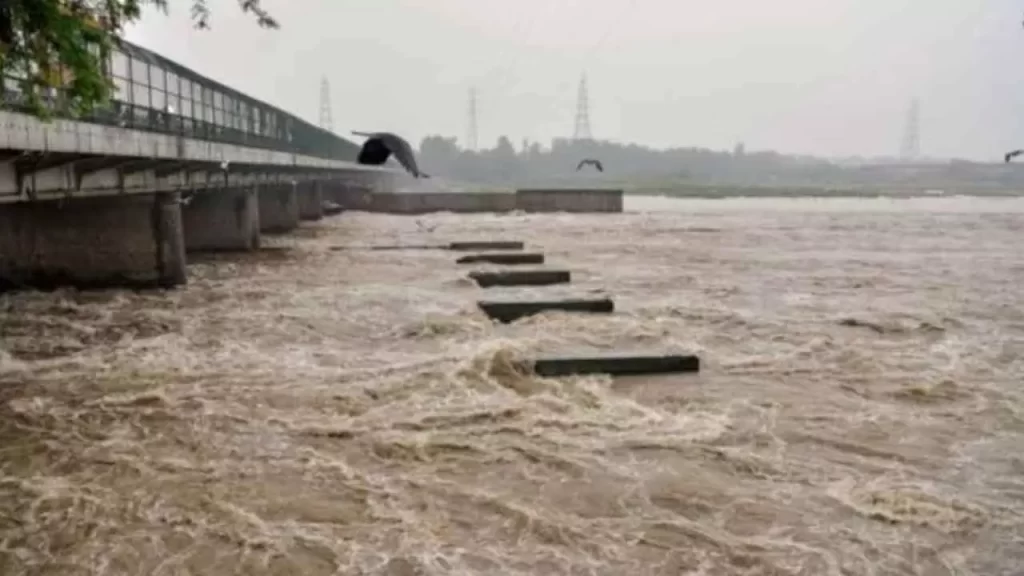
September 5,2025: Even after the Yamuna River receded following heavy rainfall, several parts of Delhi remain submerged due to waterlogging, exposing long-standing deficiencies in the city’s urban infrastructure. Officials and experts say the problem is rooted in outdated drainage systems, unchecked concretization, and encroachment on natural water channels.
Traffic disruptions, damaged property, and increased risk of waterborne diseases have been reported from low-lying areas. Residents continue to face hardships, with stagnant water causing delays in transportation and raising health concerns.
Old Drainage System Struggles
According to municipal authorities, much of Delhi’s drainage network was built decades ago and is unable to handle the volume of rainwater generated during present-day downpours. Experts emphasize that the system was designed for lighter rainfall and has not been upgraded in line with changing weather patterns.
A senior urban planner noted that the absence of a citywide stormwater management strategy has made the system ineffective. “Without proper modernization, Delhi will face the same crisis every year,” the planner said.
Impact of Concretization and Encroachment
The spread of concrete surfaces across the city has reduced natural absorption of rainwater. Environmentalists point out that wetlands and stormwater drains have been encroached upon, leaving little room for water to flow. Several natural drainage channels, once crucial for flood control, have been blocked or filled with waste.
“Delhi is suffering more from planning lapses than from rainfall itself,” an environmental researcher said, adding that concretization and poor maintenance have turned minor showers into urban floods.
Climate Change Adding Pressure
The India Meteorological Department (IMD) has recorded a rise in extreme rainfall events across northern India. Experts link this to climate change, which has resulted in short but intense spells of rain that overwhelm urban systems within hours.
They caution that unless urban infrastructure is upgraded, such flooding incidents will become increasingly common in the capital.
Need for Long-Term Solutions
City officials acknowledge the challenges but say ongoing projects to upgrade the drainage system will take time. Urban planners and environmentalists suggest immediate measures such as regular desilting of drains before the monsoon, restoration of natural water bodies, and the introduction of permeable surfaces to reduce runoff.
They also recommend investment in modern stormwater management and expansion of green spaces to improve absorption. Without these steps, experts warn, Delhi will remain highly vulnerable during every monsoon season.
The current waterlogging crisis highlights how outdated infrastructure, urban expansion, and climate pressures are combining to overwhelm Delhi. Even as the Yamuna recedes, the city continues to grapple with its own planning failures. Unless long-term solutions are adopted, residents may face similar flooding every monsoon, keeping the capital locked in a cycle of recurring disruption.

