
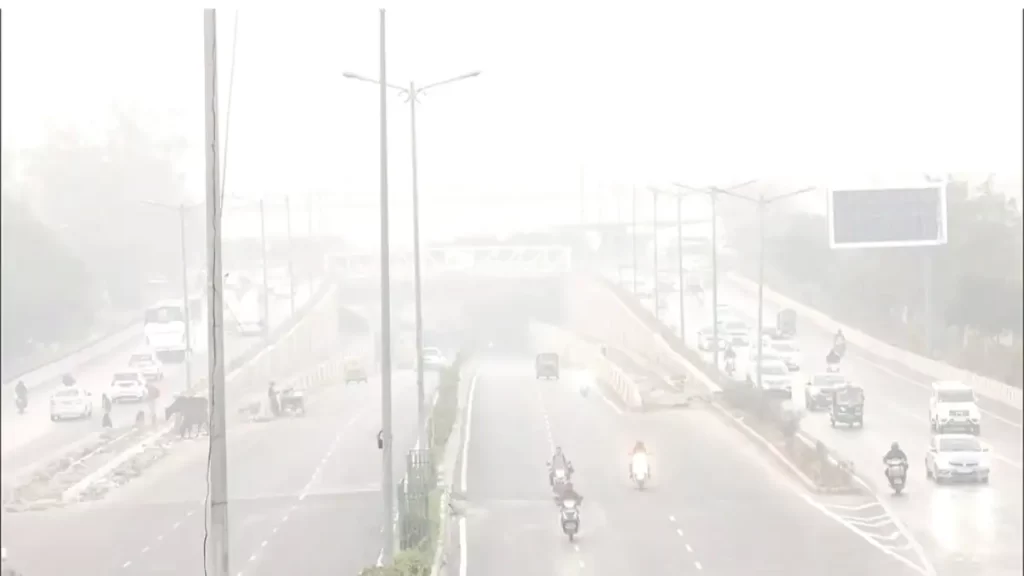
Delhi woke up to near-zero visibility on Monday, December 15, 2025, as a dangerous combination of dense fog and toxic smog blanketed the national capital, triggering widespread travel disruptions and renewed concerns over air quality and public safety. The severe weather conditions have significantly impacted air and rail traffic, with authorities confirming delays and cancellations across major transport networks.
The visibility in several parts of the city dropped to critically low levels during the early morning hours, forcing airlines and rail operators to suspend or reschedule services. According to official estimates, more than 150 flights were delayed or cancelled at Delhi’s airports, while approximately 60 trains were affected, disrupting travel plans for thousands of passengers during the busy winter season.
Flights and Trains Bear the Brunt
Aviation operations were among the worst hit as dense fog reduced runway visibility to near-zero levels. Despite the availability of advanced landing systems on select runways, persistent smog and fluctuating visibility made safe operations challenging. Passengers reported long waiting times, missed connections, and overcrowding at terminals as airlines struggled to manage the cascading delays.
Rail services also faced significant disruption, with several long-distance and suburban trains running hours behind schedule. Fog-related safety protocols required reduced speeds, compounding delays across northern rail corridors.
Impact Snapshot (December 15, 2025):
| Sector | Disruption Level |
|---|---|
| Flights | 150+ delayed or cancelled |
| Trains | Around 60 delayed |
| Visibility | Near-zero in early hours |
| Air Quality | Severe to hazardous |
Toxic Smog Intensifies Health Concerns
Beyond travel chaos, the toxic smog has intensified public health concerns. The Air Quality Index (AQI) across multiple monitoring stations remained in the “severe” category, driven by high concentrations of particulate matter. Medical experts have warned that prolonged exposure may aggravate respiratory conditions, particularly among children, the elderly, and those with pre-existing illnesses.
Residents were advised to limit outdoor activities, use protective masks, and follow government-issued health advisories. Schools and offices monitored the situation closely, with some institutions considering precautionary measures if conditions persist.
Seasonal Pattern, Structural Challenge
While dense fog is a recurring winter phenomenon in north India, experts note that its increasing severity is closely linked to chronic air pollution. Emissions from vehicles, industrial activity, construction dust, and seasonal factors combine with stagnant atmospheric conditions, creating a thick smog layer that traps pollutants close to the ground.
Urban planners and environmental analysts argue that such episodes highlight the urgent need for long-term pollution mitigation strategies, improved public transport infrastructure, and stricter emission controls.
Outlook for the Coming Days
Meteorological agencies have indicated that foggy conditions may continue in the short term, especially during early morning and late-night hours. Travelers have been advised to check flight and train schedules in advance and allow extra time for commuting.
As Delhi grapples with yet another severe winter pollution episode, the disruptions of December 15 underscore a broader challenge facing the capital—balancing rapid urban growth with environmental sustainability and public health protection. Without sustained policy intervention, such scenes of halted travel and hazardous air may become an increasingly frequent reality.

