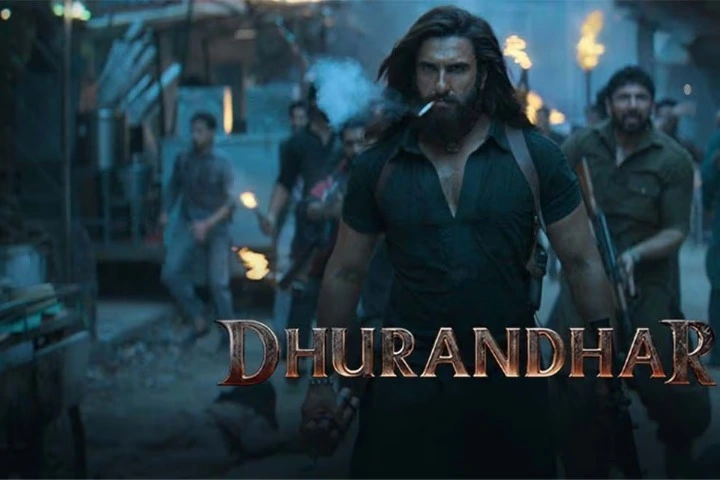
The recently released trailer of Dhurandhar, the highly anticipated spy-action thriller directed by Aditya Dhar and starring Ranveer Singh, has ignited widespread debate. While some applaud the film’s intense action sequences and cinematic scale, critics have condemned its graphic depictions of violence and raised questions about working conditions during production.
Intense Violence Draws Backlash
Prominent commentator Dhruv Rathee criticized the trailer for its unflinching portrayal of torture and gore, comparing some sequences to extremist videos and accusing the filmmakers of prioritizing shock value over responsible storytelling. He urged authorities to examine whether such graphic content aligns with the standards expected of mainstream cinema.
Fans of the film, however, defended its gritty approach, highlighting that the intensity contributes to a more immersive experience for an espionage thriller. Many argue that realistic depictions of conflict and action are essential to convey the stakes of the narrative.
Industry Support and Double Standards Debate
Not all industry voices sided with the critics. Some filmmakers and actors have pointed out that foreign films featuring comparable levels of violence often receive praise rather than condemnation, calling attention to a perceived double standard in the scrutiny applied to Bollywood productions.
Workplace Practices Under the Spotlight
Aditya Dhar revealed that his team—including actors, department heads, assistants, and crew—worked 16 to 18-hour days consistently over one-and-a-half years. While Dhar praised the dedication as a mark of commitment, his comments triggered discussions about work ethics, particularly in the context of actress Deepika Padukone’s recent advocacy for eight-hour workdays in the industry. Critics argued that glorifying long working hours can be exploitative, especially for lower-paid crew members.
Creative Decisions and Musical Heritage
The film also stirred debate over its musical choices. Dhurandhar incorporates the iconic qawwali “Na Toh Karvan Ki Talaash Hai,” originally performed in classic Bollywood films. While some questioned the use of this legendary track, filmmakers defended it as a respectful tribute rather than an attempt at unoriginality.
Conclusion
As Dhurandhar approaches its release on December 5, 2025, the film has already sparked significant discussion about cinematic boundaries, ethical production practices, and the balance between homage and innovation. Beyond its action-packed narrative, Dhurandhar has become a focal point for wider debates on the responsibilities of filmmakers in India’s evolving film landscape.