
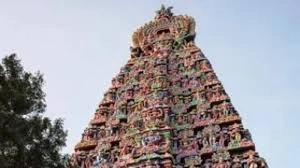
Masi Magam is one of the most prominent Hindu holidays in South India. On March 2, 2026, it will happen. It brings hundreds of thousands of people to holy waters to be blessed and cleaned by God. This yearly celebration, which takes place during the Tamil month of Masi, the full moon, and the lucky Magha Nakshatra, is all about spiritual rebirth, honoring ancestors, and getting along with other people in the community.
The past and the spiritual meaning
Masi Magam derives from the traditional Tamil Shaiva traditions. Purnima and Magha Nakshatra will get together today at about 8:17 AM IST and stay together until tomorrow. People say that this will make a strong cosmic alignment that will bring heavenly beings to Earth. People who believe this consider that on this day, the souls of their ancestors are cleaned, which frees them from sins, their egos, and problems on Earth caused by Rahu, Ketu, and Kaal Sarp Dosha.
The major purpose of the event is that holy immersion in rivers, seas, or temple tanks would lead to moksha, or freedom from the cycle of rebirth. According to holy texts, it is connected to celestial incarnations, like Goddess Parvati being Daksha’s daughter. Giving kumkum to Ambika and flowers to Saraswati is a great method to obtain money and learn. Masi Magam happens every year. On the other hand, the great Maha Magam happens once every 12 years. In South India, this is the Kumbh Mela. Masi Magam helps people spiritually recharge in the middle of modern life and strengthens dharmic ideals.
A sad story from Tiruvannamalai tells of King Vallala, a devotee of Shiva who, because he had no children, received a divine gift: Lord Shiva, appearing as a child, promised to perform his dying rites. The king gave Masi Magam to Shiva, who thereafter kept his word and bathed in the sea. People in Tamil Nadu recount this story at temples all over the place.
The Most Important Rituals and Observances
The theerthavari and kadaladal rites are the most important parts of Masi Magam. During these events, the temple gods and goddesses, who are dressed exceedingly elegantly, proceed to bodies of water to take ceremonial baths, which stand for cosmic purity. Devotees start their day by taking personal purification baths. Then they proceed to the temple for pujas, offerings, and processions with traditional music, chanting, and dancing.
Theerthavari, or sacred bathing, is an important ritual in which people wash away karmic impurities for health, wealth, and moksha by immersing themselves in holy places like the sea, the Cauvery River, or temple tanks. Therottam or theppotsavam are parades of idols that take gods and goddesses to the beach in chariots, palanquins, or floats. Ratharohanam and Periya ThiruPallakku make today the largest day for this in Tiruchendur. Some specific pujas and ceremonies that honor ancestors are abhishekam, deeparadhanai, and pitru tarpanam. Like annadanam, giving to charity makes people do more good things. During street circumambulations, vahana sevas show gods riding elephants, silver chariots, or golden peacocks.
These activities, which are different at each temple, mix religious devotion with cultural fairs to encourage families together to pray together.
The Big Parties in Tamil Nadu
Tamil Nadu has the best exhibits at the festival. Kumbakonam, Chidambaram, and Tiruchendur are the best places to watch them. The Chakrapani Temple and Mahamaham Tank in Kumbakonam are where big theerthavari events happen. People who are on a pilgrimage jump into Potramarai Kulam while singing Vedic hymns. The floating gods in the Sarangapani Temple’s theppotsavam are like the ones in traditional sailing ceremonies.
There are beautiful Shiva processions from the Nataraja Temple in Chidambaram to adjacent rivers. The focus of these processions is on cosmic dancing and ananda tandava. The 12-day Maasi Thiruvizha in Tiruchendur ends today. It started on February 21 and ends on March 4. The last part is Therottam, when the idol chariot of Sri Subramanya Swamy rolls through the streets after the Kodiyetram flag is flown. There are also theerthavari near the sea, Sivappu Saatri, and Vellai/Pachai Saathi vahanas. People travel a long way to camp out for the Urugu Satta Sevai and Thanga Chaparam processions.
Another famous place for Shiva’s promised ceremonies is Tiruvannamalai. Kamakshi Amman Brahmotsavam is in Kanchipuram, Subramanya Kalyanam is in Tirutani, and Theppam is in Thirukoshtiyur. At fairs, lots of people get together to offer kolam powders, sweets like mysore pak, and rudraksha malas. This is good for the economies of the area.
There are several different parts to South India.
Tamil Nadu is the most important state, but Masi Magam is also popular in adjacent states, where it changes to fit the culture.The coastal temples in Kerala, such as those in Thrissur and Kollam, focus on sea baths with Theyyam performances and synchronized dips at the borders of Guruvayur or Padmanabhaswamy. These temples are a mix of Vaishnavism and Shaivism.
Andhra Pradesh and Telangana have calm but passionate accounts of the event in Srikalahasti or Nellore on the coast. At Murugan temples along the Godavari tributaries, Theerthavari includes traditional Telugu dances. Sri Lanka’s Tamil areas, including Jaffna, are similar Tamil Nadu with Nallur Kandaswamy parades. These things enable people who reside far away stay in touch with their home countries.
These differences show that water is what binds Masi Magam together, since it cleanses life and breaks down language barriers in Dravidian culture.
How people celebrate these days and how culture affects them
Masi Magam keeps the arts alive by performing Bharatanatyam dances that show Shiva’s sea rites and Carnatic performances of Tevaram hymns by Appar and Sambandar. At fairs, you can see ceramics, clothes, and food. Vadai, pongal, and sesame laddus are all indicative of a lot of food.
People can join in from anywhere in 2026’s digital age by watching live streaming on Thanthi TV and temple apps. Actions that are good for the environment also help cut down on plastic at ghats. As cities grow, it helps with stress and makes you more conscious. Astrologers say that the best time to make vows is between now and 8:07 AM tomorrow. There will be more than 10 lakh people in Tamil Nadu alone, and the Kumbakonam tanks would fill up a lot during the festival, based on what has happened in the past. The date of March 2, 2026, is important, because the Magha Nakshatra will be in effect from 8:17 AM till the next day. Kumbakonam, Tiruchendur, and Chidambaram are the main places to go. The most people that come to the location is between 5 and 10 lakhs, and the major prize is moksha through a holy bath.

