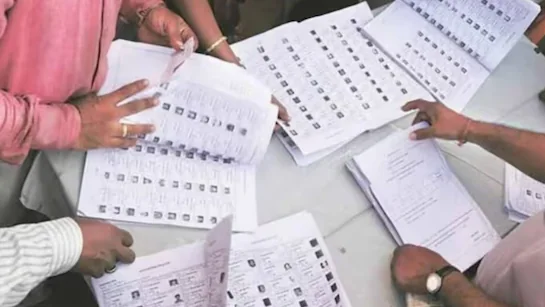
January 2026 marks a significant moment in India’s electoral landscape as the Election Commission of India (ECI) released the draft electoral rolls for Uttar Pradesh following a Special Intensive Revision (SIR). The exercise led to the deletion of 2.89 crore voters, reducing the state’s electorate from nearly 15.44 crore to 12.55 crore—an unprecedented 18.7% decline, the highest in absolute terms recorded by any Indian state or Union Territory to date.
A Landmark Electoral Revision
The Special Intensive Revision was undertaken with the stated objective of enhancing the accuracy, transparency, and integrity of electoral rolls ahead of upcoming electoral cycles. According to the ECI, the revision focused on removing duplicate entries, deceased voters, migrants who have permanently relocated, and ineligible names that had accumulated over years.
Uttar Pradesh, India’s most populous state and a critical political battleground, naturally emerged as the focal point of this exercise. The sheer scale of the voter deletion has, however, drawn nationwide attention and sparked debate across political and civil society circles.
Key Highlights of the SIR in Uttar Pradesh
- Total voters deleted: 2.89 crore
- Electorate before revision: ~15.44 crore
- Electorate after revision: ~12.55 crore
- Percentage reduction: 18.7%
- Highest absolute voter deletion among all states and UTs so far
The ECI emphasized that the draft rolls are not final and that citizens whose names have been removed can file claims and objections within the stipulated period.
Reasons Behind the Massive Deletion
Election officials have cited several contributing factors behind the sharp reduction:
- Urban and interstate migration, particularly from eastern Uttar Pradesh
- Deaths not previously updated in electoral databases
- Duplicate voter IDs created due to multiple registrations
- Non-verification during door-to-door enumeration under SIR
The Commission maintains that the revision strengthens electoral credibility by ensuring “one person, one vote” in its truest sense.
Political and Public Response
The scale of voter deletion has triggered mixed reactions. While the ECI has defended the process as routine and legally mandated, opposition parties have raised concerns over potential voter disenfranchisement, especially among migrant workers, urban poor, and marginalized communities. Some leaders have demanded greater transparency and safeguards to ensure no eligible voter is excluded.
Civil society groups have also urged voters to verify their names promptly, warning that lack of awareness could impact voter participation in future elections.
What Happens Next?
As per election rules, the draft electoral rolls will undergo a claims and objections period, allowing affected individuals to seek correction or re-enrollment. The final rolls will be published after due verification, forming the basis for all future elections in the state.
Broader Implications
The Uttar Pradesh revision sets a precedent for other states likely to undergo similar intensive exercises. While the move underscores the ECI’s commitment to electoral roll purification, it also highlights the need for robust voter awareness campaigns and accessible grievance redressal mechanisms.
As India approaches another crucial electoral phase, the balance between electoral integrity and voter inclusion will remain at the center of democratic discourse.