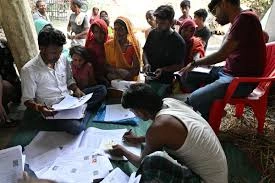
India’s electoral machinery has come under sharp public and political scrutiny following the large-scale deletion of voter names during the Special Intensive Revision (SIR) of electoral rolls. In a move aimed at ensuring free, fair, and transparent elections, authorities removed more than 97 lakh voters in Tamil Nadu and nearly 74 lakh voters in Gujarat from the rolls. While the exercise has been officially described as a routine yet necessary clean-up ahead of upcoming polls, the sheer scale of the electoral roll deletion has ignited debate around voter inclusion, administrative accountability, and democratic participation.
Why the Special Intensive Revision Was Conducted
The Special Intensive Revision is a legally mandated process undertaken periodically to update electoral rolls by removing duplicate, shifted, deceased, or otherwise ineligible voters. Officials involved in the revision have emphasized that the objective is to prevent electoral fraud, impersonation, and discrepancies that could compromise poll integrity.
Key reasons cited for voter deletion include:
- Duplicate entries across constituencies
- Migration or permanent relocation
- Deaths not previously reported
- Non-verification during field checks
- Incomplete or inaccurate documentation
Authorities argue that an accurate voter list is fundamental to fair elections and public trust in democratic institutions.
State-Wise Impact of Voter Deletions
The magnitude of the revision has varied by state, with Tamil Nadu and Gujarat witnessing the most significant changes.
| State | Voters Deleted (Approx.) | Reason Cited |
|---|---|---|
| Tamil Nadu | 97 lakh+ | Duplication, migration, non-verification |
| Gujarat | 74 lakh+ | Ineligible entries, demographic shifts |
Election officials have maintained that eligible voters who were wrongly removed have access to grievance redressal mechanisms and can reapply before final roll publication.
Political and Public Response
The electoral roll revision has triggered mixed reactions across the political spectrum. Several opposition parties have raised concerns about voter disenfranchisement, particularly among migrant workers, urban poor, and young voters. Civil society groups have questioned whether verification processes were uniformly implemented and adequately communicated.
On the other hand, supporters of the revision argue that inflated or inaccurate voter lists undermine electoral credibility and that the clean-up strengthens democracy in the long run.
Implications for Upcoming Elections
With elections approaching, the timing of the deletions has intensified the discussion. Analysts note that large-scale voter list corrections can influence voter turnout, campaign strategies, and constituency-level calculations. The focus now shifts to how efficiently authorities facilitate re-enrollment and ensure that no eligible citizen is excluded on polling day.