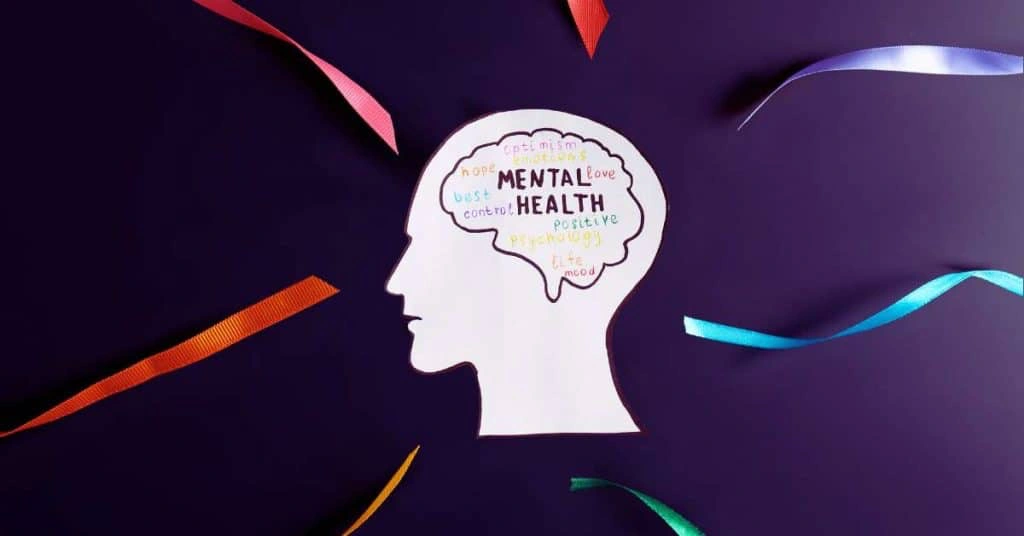
As more and more people experience mental health difficulties, people all around the world are becoming more and more anxious. As social, economic, and technical needs develop, mental health is becoming a key priority for governments and healthcare systems.
In 2026, people all around the world began to talk about mental health in a different way. It went from being something that few people talked about to being one of the worst health concerns in the world. People of all ages and income levels might suffer mental health problems like melancholy and anxiety. This is why campaigns to increase awareness about mental health, corporate wellness programs, and programs backed by the government have all grown at an unheard-of rate.
Recent statistics from mental health advocacy groups and healthcare organizations revealed a sad truth: mental health issues are now one of the leading causes of disability around the world, and billions of individuals will experience some type of psychological pain at some point in their life. Mental health experts say that the coronavirus pandemic and modern problems including the advent of social media, economic uncertainty, fear of climate change, and political conflict have made people less mentally strong.
Mental health is a huge deal.
There are a lot of reasons why mental health is so essential right now. One in four persons will experience a mental health issue at some point in their lives. The two most frequent mental illnesses are anxiety and depression. People with mental problems have to pay more than just going to the doctor. Also, millions of people and their families have a lower quality of life, fewer employment, and less productivity.
Teenagers and young adults need to take care of their mental health more than ever since they are thinking about suicide, depression, and anxiety a lot more than they used to. Mental health professionals claim that a lot of things that are all connected are to blame for the mental health crisis that young people are going through right now. School, being on social media, cyberbullying, troubles with your family, and the emotional effects of growing up during global crises like pandemics and climate change are all things that can make you worried.
More than ever, businesses, unions, and governments care about mental health at work. Stress at work, employee burnout, and mental health issues have gotten so terrible in some areas that they are now at crisis levels. You can be mentally fatigued because you work from home, aren’t sure if you have a job, or don’t know where your work life ends and your personal life begins. Companies that are ahead of the curve today know that taking care of their employees’ mental health is not only the moral thing to do, but it also helps the business by keeping people happy and getting things done.
Taking down the barrier of shame
People used to keep their mental health problems to themselves, but today they talk about them. This is one of the biggest changes in culture we’ve seen in a long time. For a long time, a lot of people thought that the stigma around mental health was the main reason why individuals didn’t get help or therapy. But the stigma is starting to fade as well-known people, like sports, politicians, and other notable people, talk about their own mental health issues and how they have dealt with it.
This process of getting rid of stigma has gone a lot faster thanks to social media. On these platforms, millions of people can talk to people who care about mental health every day. There are a lot of hashtags on social media that could help people learn more about mental health. People can help you with your problems, tell you about their own recovery, and say kind things that make it easier to talk about mental health issues. The internet has made it easier for people to discuss about their mental health issues. Many people have learned what their symptoms are, how to receive help from an expert, and that mental health issues are medical issues, not signs of weakness or bad character.
Many schools are teaching students of all ages about mental health. This helps kids learn how to deal with stress, control their feelings, and stay mentally healthy. The point of this proactive endeavor is to teach future generations about mental health and how to deal with problems that prior generations didn’t always have to deal with. This might help stop and treat mental health issues before they get worse, which could make them less common and less harmful.
How technology could help people who have mental health issues
Digital mental health technology has changed the way people can get help with their mental health, especially those who have not been able to get support from traditional mental health care facilities. People who couldn’t get treatment earlier because of where they lived, how much money they had, how busy they were, or how hard it was for them to get around may now be able to get help from teletherapy platforms, mental health applications, AI-powered chatbots, and online support groups.
Mental health technology is a great method to connect with adolescents and teens who are used to using digital devices and might prefer online therapy sessions to ones that happen in person. You can obtain help on these sites in a number of ways, such as through guided meditation and mindfulness exercises, or by having video chat therapy sessions with a qualified therapist. This means that there are many types of therapy that can be customized to meet the needs and wants of each person.
But mental health professionals say that technology shouldn’t replace traditional treatment sessions and face-to-face mental health care. People are still worried about privacy, how effectively treatments work, how well therapies are watched, and the concept that technology could make some mental health problems worse, especially for people who are already addicted to technology or worried about social media.
How much labor gets done and how it affects the economy
Mental health issues are terrible for the economy, so corporations and governments have made mental health services a primary focus. Mental health problems have a big impact on the economy since they cost a lot of money for health treatment, disability payments, lost work time, and early mortality. More and more economists think that spending money on mental health infrastructure, preventative programs, and making it easier to get treatment is a good idea in the long run because it makes people healthier, increases productivity, and lowers healthcare costs for problems that could have been avoided.
Companies are trying more to support their employees’ mental health at work since they know that how well the company works depends on how well their employees are doing mentally. Companies that want to hire the finest people today offer mental health benefits, employee assistance programs, training on how to deal with stress, flexible work hours, and programs to help employees balance their work and personal life. This is because there aren’t many jobs available.
Researchers are beginning to examine more closely at how mental and physical health are linked. Research indicates that mental health issues significantly affect cardiovascular health, immune system efficacy, the management of chronic diseases, and overall mortality rates. Healthcare systems have started employing integrated care approaches that meet both mental and physical health demands at the same time. This is due to the connection between the mind and body. They know that the greatest way to help someone is to look at all of their health issues, not just one.
What do you do when the rules change?
All throughout the world, governments are starting to establish robust mental health policies that underline how important it is for everyone to be mentally healthy. In many regions, laws that state insurance companies have to cover mental and physical health problems equally have moved forward. This makes it easy for folks to get help. Politicians think that mental health is an important part of public health. This has allowed mental health services, crisis intervention programs, suicide prevention hotlines, and community-based support systems to acquire a lot more money.
Mental health professionals claim that systemic difficulties including not having adequate staff, treatment options, insurance coverage, or cultural competence make it challenging for vulnerable groups to seek care. To solve these big problems, we need to maintain training mental health professionals, create new ways to provide services, make sure that therapy works for people from all cultures, and provide infrastructure where it is required.