When the Food and Agriculture Organization (FAO) of the United Nations warns that food prices are going up around the world, it’s not just another study that no one reads. It’s time to wake up. The FAO’s most recent Food Price Index update, which looked at the early months of 2026, showed a 12% rise in global average food prices.
The increase was largely due to supply chain problems connected to climate change.
Extreme weather events are, quite simply, making food production increasingly difficult.
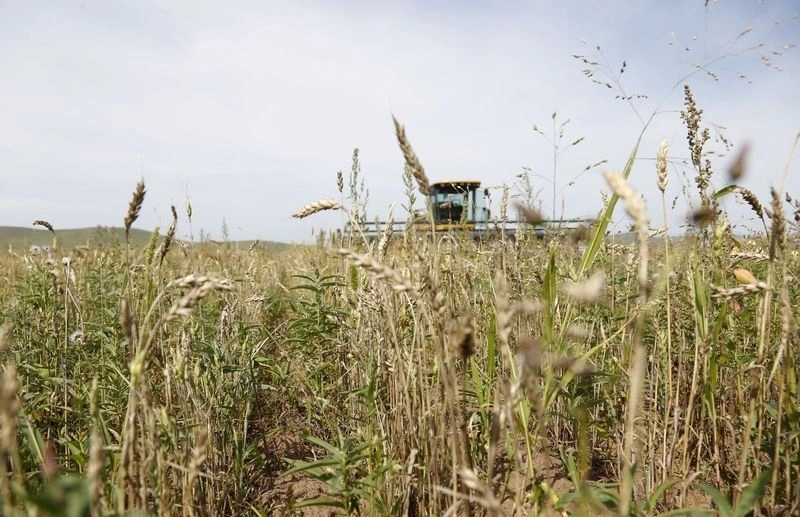
For example, wheat belts are having terrible droughts and rice fields are being flooded. This isn’t a threat that will happen in the future; it’s currently putting pressure on household budgets in street markets in Mumbai and supermarkets in New York. Why is this important now? Over 800 million people are already hungry around the world. These price increases might make millions more food insecure, especially in places like India and sub-Saharan Africa that are already weak.
The figures paint a vivid picture. The FAO’s index, which monitors the costs of sugar, meat, dairy products, cereals, and vegetable oils, hit its peak since 2023.
Cereals alone went up 18% because of crop failures in major exporting countries. But there is a human narrative behind the numbers: farmers watching their crops die, people going without food, and governments rushing to help. “We’ve experienced dry times back-to-back—no rain, no grain,” said an Indian farmer from Punjab not long ago. It reminds us that food prices aren’t just numbers; they’re lifelines.
The Climate Causes of the Crunch
Let’s take it apart. Climate change isn’t being polite anymore. Extreme weather events, like floods, heat waves, and unpredictable monsoons, are the main causes of these climate-related supply problems. For example, the aftermath of El Niño in 2025 burned sections of South America and Southeast Asia, cutting soybean and palm oil yields by up to 15%. Wheat, which is the main ingredient in bread for a lot of people, also suffered a damage. Australia’s dreams of a big crop came to an end because of a long drought, while Ukraine’s Black Sea fields had to deal with both war and rain that wasn’t normal for the time of year.
The story hits close to home in India. Last year, monsoon rains were 20% less strong in important states of the country, which is a major producer of rice and wheat. The breadbasket pair of Punjab and Haryana said that wheat yields were down 10–12%. Sugarcane in Maharashtra has the same problems with heat stress. What happened? Prices for basic goods like atta and dal have gone up 8–10% in the last six months, which is more than inflation. The impacts are terrible all across the world. Because of bad harvests, exporters like Brazil and India are cutting back on supplies, which raises prices elsewhere.
What sets this deficit apart from others? Size and speed. According to data from the IPCC, climate events are now 50% more often than they were 20 years ago, according to the FAO. A short look at the damage:
Droughts: In the U.S. Midwest, dry soils lowered grain production by 14%. India’s reservoirs are only 70% full, which is half of what they should be.
Floods: Bangladesh lost 30% of its rice crop to floods, while Pakistan’s Indus basin is still full of water.
Heatwaves: Europe’s barley fields dried out, which made beer and cattle feed more expensive.
These aren’t just random spikes. They’re linking up, which analysts call a “polycrisis” in global food prices.
How Prices Are Affecting Your Wallet from Farm to Fork
Food prices around the world are going up, and they don’t just stay in the air. A 10% price increase can indicate malnutrition for kids in low-income nations where food costs 50–60% of household budget. The World Bank thinks that these price increases could push 50 million more people into poverty by 2026.
India is feeling the pain very much. Even little increases put a lot of stress on the system when you have to feed 1.4 billion people. People in Pune and Delhi are complaining about dal prices, which have gone up from ₹120/kg last year to ₹150/kg this year. Things are worse in rural regions; tiny farmers in Bihar, for example, are borrowing money to buy seeds for the next cycle. PDS government subsidies help, but they don’t go very far. The FAO says that if nothing is done, India’s food prices could go up by 7% to 8% this year, which would make the economy worse.
It’s a mixed bag around the world. Rich countries use imports to soften blows, but that makes competition stronger. Even though there were tensions, Europe bought a lot of wheat from Ukraine, which drove up prices. Countries in Africa, like Nigeria, are seeing their import bills rise by 25%, which is causing demonstrations. Have you ever thought about how long governments can keep giving out money before they have to pay it back? It’s an issue that policymakers in Delhi and Davos are always thinking about.
Trade disputes, it’s clear, cause real harm. The current tariffs between the United States and China are still holding up soybean exports.
Furthermore, Russia’s restrictions on fertilizer exports, a crucial component for successful crops, have resulted in a 20% price increase. Energy costs remain elevated following the 2025 adjustments, further inflating farming expenses. Tractors rely on diesel, while irrigation systems depend on electricity.
Everything is linked.
Vulnerable Voices: Who is the Worst Off?
Not everyone is able to handle this storm the same way. The hardest hit are small farmers, women, and the impoverished in cities. Women in India do 70% of the cooking at home, but they make less money, so price increases impact their budgets the most. The FAO’s 2026 study talks on “hidden hunger,” which means not just not having enough food, but also having diets that are low in nutrients because families are switching out vegetables for cheaper carbs.
According to UN data, 280 million people in sub-Saharan Africa are already very hungry. Because of climate-related supply problems, maize prices have gone up 30% in locations like Zambia. India has similar problems; for example, child stunting rates are rising in tribal areas of Jharkhand as cheap proteins become harder to find.
Refugees and immigrants are not safe either. There are 120 million people displaced around the world, and camp diets depend on aid that is now 15% more expensive. Climate change moves people, and disruptions make things even harder to find.
India’s Balancing Act in a World Full of Hunger
This FAO food price alert is important to India. As the world’s biggest rice exporter (shipping 20 million tons in 2025), limits on exports helped keep prices down at home, but they made importers like the Philippines angry. But being self-sufficient is very important. The government’s campaign for climate-resilient crops, like ICAR’s drought-tolerant wheat, looks good. Tests in Rajasthan showed that 10% more might be done under stress.
There are still holes, though. The depletion of groundwater in Punjab could hurt long-term production. PM-KISAN helps 110 million farmers, but expanding agroforestry or drip irrigation could help the climate. India might be a leader throughout the world: its solar-powered pumps cut down on pollution, and its promotion of millet tackles malnutrition.
FAO Sounds Alarm: Climate Change Is Causing Food Prices to Skyrocket Around the World, Putting Millions at Risk