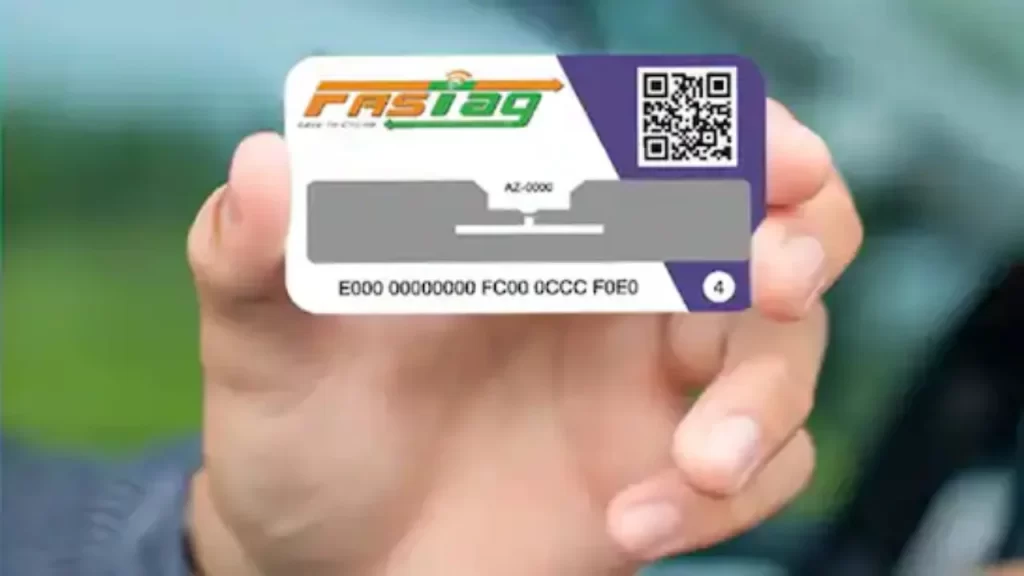
New Delhi, June 19, 2025 — The National Highways Authority of India (NHAI) has recently introduced the FASTag Annual Pass Scheme, a strategic move aimed at enhancing the digital toll collection ecosystem across the country. As India rapidly shifts toward a more cashless and efficient transportation infrastructure, this scheme is designed to streamline the toll payment process for frequent highway commuters and commercial fleet operators.
What Is the FASTag Annual Pass Scheme?
The FASTag Annual Pass Scheme allows users to pay a fixed annual fee for unlimited or predefined toll transactions across select national highways. It is particularly targeted at regular commuters—such as daily office travelers, inter-city transport operators, and logistics companies—who incur high toll expenses through frequent travel.
The scheme aims to reduce congestion at toll plazas, encourage digital payments, and provide long-term cost savings to users who frequently travel specific routes.
Key Features and Benefits
- Fixed Payment Structure:
Users can choose from different annual pass plans based on the category of their vehicle (private car, commercial vehicle, buses, etc.) and the specific corridor or toll plaza they use regularly. - Convenience and Time-Saving:
With a one-time activation, users can avoid the hassle of multiple transactions and enjoy seamless travel on national highways without frequent toll deductions. - Wider Coverage:
Initially launched for select highways and toll plazas, the scheme is expected to expand across India in phases, eventually covering high-density corridors like the Delhi-Mumbai Expressway and Bengaluru-Chennai route. - Validity and Renewals:
The pass is valid for 12 months from the date of activation. Users will be notified via SMS or email before the expiration date, with easy renewal options available through banking partners and digital wallets. - Digital Integration:
The scheme is fully integrated with the existing FASTag ecosystem. Users can purchase and manage their annual pass via FASTag-linked apps, NHAI’s official portal, or partner bank platforms.
How to Activate the FASTag Annual Pass
To avail of the Annual Pass, users must:
- Possess a valid and active FASTag linked to their vehicle.
- Log in to their issuing bank’s FASTag portal or the official NHAI website.
- Select the Annual Pass option under toll services.
- Choose the route-specific plan and make the one-time payment.
- Receive confirmation and digital receipt of the activated pass.
The process is entirely online, with most issuers offering mobile app-based activation as well.
Challenges and User Concerns
While the scheme promises several advantages, users have raised questions about:
- Transparency in toll plaza coverage: Clear communication about which plazas are included is essential.
- Overlapping routes: For users who frequently change travel paths, the route-specific model may limit flexibility.
- Upfront Cost: Some may find the annual cost higher if they don’t travel frequently enough to offset the benefit.
NHAI has indicated that future updates may include a more flexible or distance-based model to address these concerns.
Conclusion
The FASTag Annual Pass Scheme is a significant step toward revolutionizing India’s road toll collection system, making travel more convenient and cost-effective for frequent users. As digital infrastructure evolves, such initiatives will play a crucial role in reducing bottlenecks, promoting sustainable transport, and ensuring a smoother commute for millions of Indians.
With growing adoption and feedback, the scheme is likely to be refined further, contributing to India’s vision of a digitally empowered transportation sector.