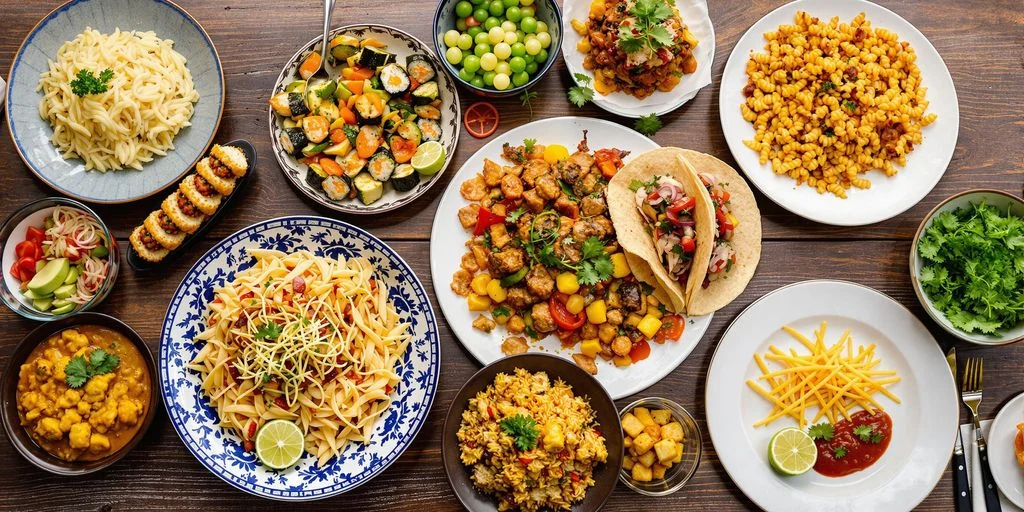
Food has long served as one of the most universal tools for cultural connection. For people settling into a new country or region, exploring and cooking local cuisine can become a powerful way to understand unfamiliar surroundings, foster relationships, and build a sense of belonging.
A Taste of Belonging
For many newcomers, preparing traditional dishes from home offers comfort and continuity. Familiar ingredients and flavors reconnect them with memories, family traditions, and cultural identity. At the same time, immigrants frequently adapt their recipes to incorporate local ingredients, giving rise to new, blended culinary styles.
This culinary adaptation reflects the larger immigrant experience: maintaining a connection to one’s roots while learning to navigate and embrace life in a new environment. Through this process, food becomes both a symbol of identity and an entry point into cultural exchange.
Cooking Together, Learning Together
Community-based food initiatives highlight how cuisine can bring people together. Activities such as:
- Cooking clubs and workshops
- Community kitchens and shared meals
- Neighborhood food festivals
- Cultural exchange dinners
allow newcomers and locals to meet in a relaxed, collaborative setting. When immigrants teach their cooking methods and learn local techniques in return, conversations naturally unfold, helping people bridge linguistic and cultural gaps.
These shared culinary experiences have been shown to reduce stereotypes, foster understanding, and promote social inclusion. For many, a simple cooking session becomes an opportunity to form friendships and understand different cultures on a deeper level.
Local Cuisine as Shared Heritage
Immigrants often influence the food landscape of their new home. Over time, their flavors, cooking styles, and ingredients integrate into local markets, street food, and restaurants. This blending of culinary traditions contributes to the rise of fusion cuisines — dishes that combine the essence of two or more cultures.
Celebrating both traditional and blended dishes preserves cultural heritage while creating new flavors that reflect the diversity of modern communities. Food festivals, heritage markets, and local restaurants all contribute to a shared identity rooted in culinary diversity.
The Psychology of Food and Belonging
Eating habits play a significant role in how people adapt emotionally to a new place. For many immigrants, cooking familiar meals or sharing dishes with other families creates a sense of home, even thousands of miles away.
At the same time, locals who explore international cuisine often become more open and accepting of diverse cultures. Trying foods from different regions can spark conversations, inspire curiosity, and foster empathy — small but meaningful steps toward social harmony.
Why This Matters Today
Food-driven cultural exchange has wide-reaching benefits:
- Promotes Social Integration: Cooking and dining with others helps newcomers feel welcome and connected.
- Builds Cultural Understanding: Exploring diverse cuisines encourages respect and appreciation for different traditions.
- Strengthens Communities: Shared culinary activities bring people together and foster long-term relationships.
- Supports Local Economies: Immigrant-owned restaurants, markets, and food businesses enrich the local food scene.
- Preserves Heritage: Traditional recipes maintain cultural identity across generations and geographies.
Looking Ahead
As global migration continues to reshape societies, food remains one of the most accessible and meaningful pathways to cultural connection. By embracing local cuisine — whether through cooking, tasting, or sharing — newcomers and residents alike can build bridges, celebrate diversity, and create communities that thrive on understanding and inclusion.
In a world searching for unity, the simple act of sharing a meal may be one of our most powerful tools.