
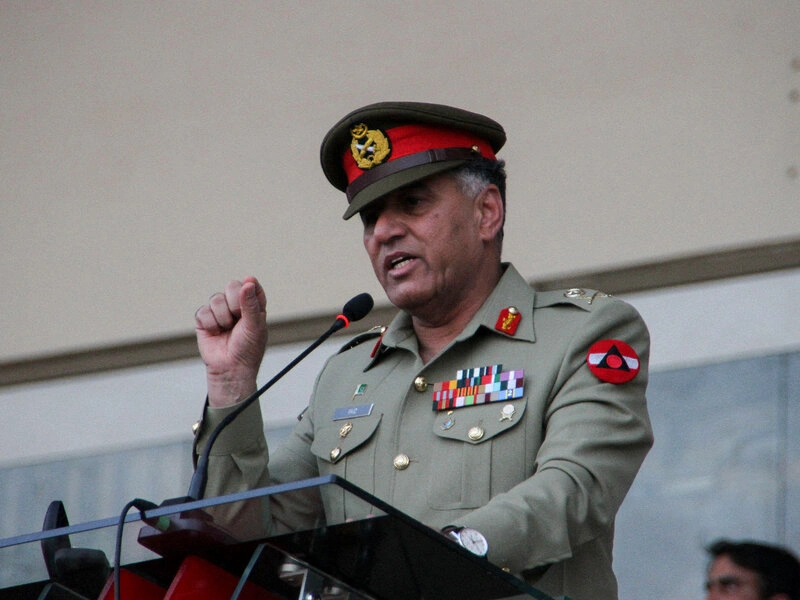
In a landmark ruling that underscores Pakistan’s ongoing political turbulence, a Pakistani military court has sentenced former Inter-Services Intelligence (ISI) chief General Faiz Hameed to 14 years in prison. The verdict comes amid heightened scrutiny of Pakistan’s civil-military dynamics and growing economic pressures from international lenders.
General Hameed, who held the ISI’s top position until 2024, has long been a central figure in Pakistan’s security apparatus. The military court found him guilty on multiple charges linked to abuse of authority and involvement in unconstitutional activities. Analysts suggest the ruling marks a significant shift in accountability within Pakistan’s military establishment, potentially signaling a broader effort to rein in political interference by high-ranking officials.
“This is a historic decision,” said a senior political analyst. “The military has traditionally been insulated from judicial scrutiny, but this case indicates a potential recalibration of civil-military relations in Pakistan.”
The sentencing comes at a critical juncture for Pakistan, which is grappling with severe economic challenges. The International Monetary Fund (IMF) has recently imposed 11 additional conditions on Pakistan’s bailout program, bringing the total number of requirements to 64. These measures include structural reforms aimed at fiscal discipline, debt management, and improving governance transparency.
Economic experts warn that the new IMF stipulations, combined with domestic political uncertainty, could exacerbate financial instability. “Meeting IMF conditions will require stringent reforms, which may prove unpopular and difficult to implement amid political unrest,” noted an economist familiar with Pakistan’s economic landscape.
Key IMF Conditions Include:
- Enhanced fiscal discipline and reduced budget deficits
- Strengthened anti-corruption frameworks
- Energy sector reforms to improve efficiency and reduce subsidies
- Increased transparency in public financial management
- Structural adjustments to improve tax collection and revenue mobilization
The dual developments—the sentencing of General Hameed and the tightening of IMF conditions—highlight the intertwined nature of Pakistan’s political and economic crises. Political analysts note that the military court’s ruling could influence investor confidence, as well as Pakistan’s negotiations with international lenders.
Despite the challenges, some observers believe that these measures may eventually stabilize the country. “If Pakistan can successfully implement IMF conditions while maintaining political cohesion, it could pave the way for long-term economic resilience,” said a senior economist.
As Pakistan navigates this critical period, the nation’s leadership faces the delicate task of balancing judicial accountability, military influence, and economic reform. The coming months will likely be decisive in shaping both domestic governance and international financial relations.

