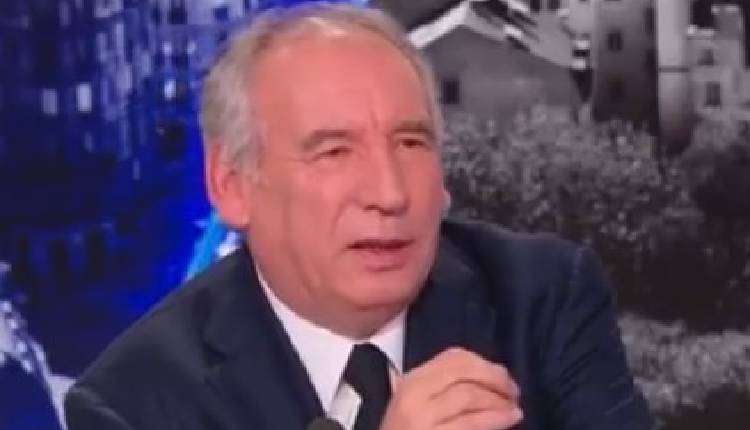
September 9, 2025 — French Prime Minister François Bayrou officially resigned on Monday, September 8, after his government failed to survive a no-confidence vote in the National Assembly. President Emmanuel Macron accepted his resignation and is now preparing to appoint a successor who will be tasked with stabilizing the government amid growing political uncertainty.
The no-confidence motion, brought forward by opposition parties, passed with a narrow majority after weeks of mounting criticism over Bayrou’s handling of economic reforms and public dissatisfaction with rising living costs. Lawmakers cited discontent over policy measures and the government’s inability to unify support across party lines as key reasons behind the vote’s outcome.
Bayrou, who was appointed prime minister earlier this year, had been considered a centrist figure and a long-time ally of President Macron. His tenure, however, was marked by challenges in pushing through reforms in a deeply divided parliament. In his resignation statement, Bayrou expressed respect for the democratic process, acknowledging that his government no longer held the confidence of the Assembly.
“I accept the verdict of the parliament and step down with a sense of responsibility toward the nation,” Bayrou said, calling for continuity in governance despite political disagreements.
President Macron now faces the urgent task of nominating a new prime minister who can command sufficient support in the legislature. Political analysts suggest that Macron’s choice will be critical not only for maintaining parliamentary stability but also for shaping the remainder of his presidency, which has been tested by repeated political crises.
The opposition welcomed Bayrou’s departure, framing it as a necessary step toward what they describe as a more accountable government. Left-wing parties have called for fresh elections, while right-wing leaders argue that the current administration has lost touch with the French public.
Markets reacted cautiously to the news, with investors closely monitoring the political situation in Paris. Analysts warned that prolonged uncertainty could impact France’s economic outlook, particularly as the country continues to navigate inflation and slow growth within the eurozone.
This development also raises questions about Macron’s broader political strategy. With less than two years before the next presidential election, his administration must demonstrate renewed strength and credibility to avoid further instability.
As France awaits the announcement of a new prime minister, political negotiations are expected to intensify in the coming days. The appointment will likely determine whether Macron can rebuild confidence in his leadership or face deeper challenges in sustaining his reform agenda.