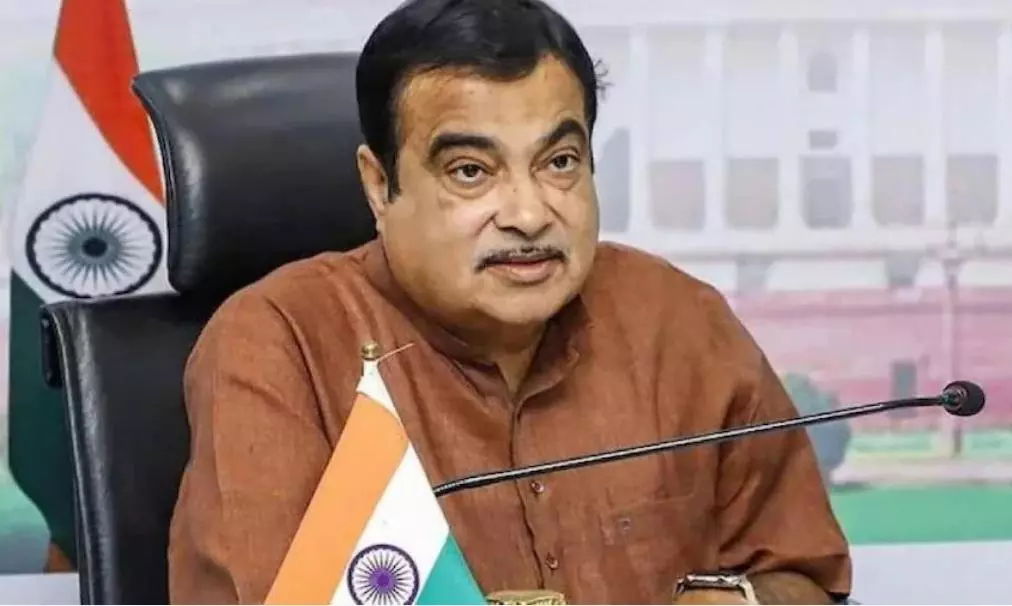
September 1, 2025 – Union Minister for Road Transport and Highways Nitin Gadkari has strongly advocated for ethanol as a transformative fuel for India, emphasizing its potential to enhance the nation’s energy sovereignty, reduce pollution, and create economic opportunities for farmers. Speaking at a green energy summit, Gadkari described ethanol as a “climate miracle” and highlighted its role in the country’s transition away from fossil fuels.
Gadkari underscored India’s ambitious target of blending 20% ethanol with petrol (E20) by 2025–26, a move aimed at reducing dependence on imported crude oil and enhancing energy security. “The fuel of the future will be 100% bio-ethanol,” he said, stressing that widespread adoption of ethanol can significantly cut carbon emissions and improve air quality across urban centers.
Ethanol production in India primarily uses agricultural by-products such as sugarcane and broken rice. This approach provides additional income streams for farmers and helps manage surplus crop production, while also reducing fiscal pressure on the government by limiting the need for procurement at minimum support prices. Gadkari emphasized that ethanol adoption not only supports environmental goals but also strengthens India’s agricultural and industrial sectors.
The government has encouraged the production of flex-fuel vehicles capable of running on higher ethanol blends, and several automakers are developing models compatible with 100% ethanol. However, the rollout of E20 has faced some public concerns. Vehicle owners, particularly those with older models, have reported minor performance issues and higher fuel consumption. Authorities are working on providing guidance and support to address these concerns.
Recently, the Supreme Court dismissed a petition challenging the nationwide E20 rollout, reaffirming the government’s initiative and paving the way for broader implementation.
Gadkari also highlighted India’s broader clean energy vision, which includes not only ethanol but also biodiesel, compressed biogas, and green hydrogen. He described these initiatives as critical for positioning India as a global leader in sustainable energy technologies while fostering innovation and economic growth.
With the combined environmental, economic, and strategic benefits of ethanol, India is taking a significant step toward a cleaner and more self-reliant energy future, according to the minister.