
A ceasefire between Israel and Hamas is facing significant challenges following a deadly Israeli military strike on a civilian vehicle in Gaza City on Friday, October 17. The attack resulted in the deaths of nine Palestinians, including women and children, and has intensified accusations of ceasefire violations from both sides.
Incident Details
According to the Hamas-run Gaza Civil Defense, Israeli forces opened fire on a bus traveling in eastern Gaza City, killing all nine occupants. The victims were identified as members of the Abu Shaaban family, including seven children and three women. The family was reportedly returning home when their vehicle was struck by a tank shell.
The Israeli military stated that the vehicle crossed into an area marked by the “yellow line,” an unofficial demarcation separating zones where Israeli forces are stationed from areas where Palestinians are permitted to move within the Gaza Strip. The IDF claimed that the vehicle posed an imminent threat after crossing into an Israeli-controlled area.
Ceasefire Agreement and Hostage Remains
The incident comes amid ongoing efforts to implement a ceasefire agreement brokered by the United States. As part of the deal, Hamas has been returning the remains of Israeli hostages taken during the October 7, 2023, attack. On October 17, Israel received the body of Eliyahu Margalit, a 76-year-old hostage, marking the 10th of 28 hostages confirmed dead.
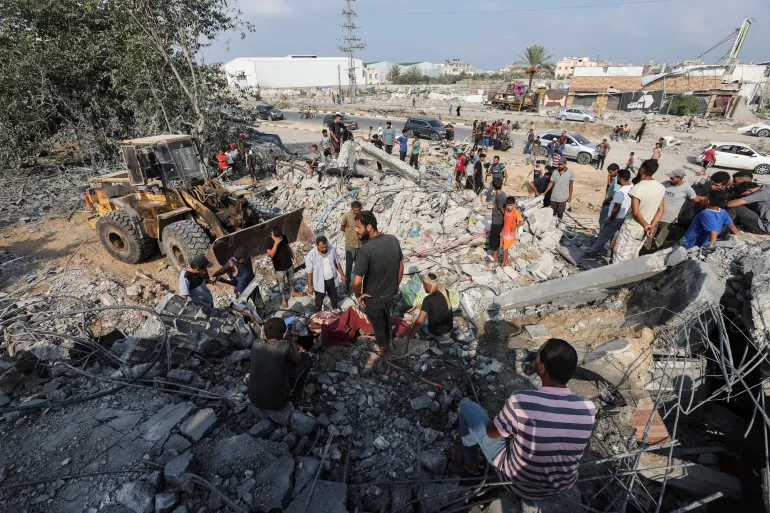
However, the process has been hindered by widespread destruction and unexploded ordnance in Gaza. Hamas attributes delays to technical challenges in excavating bodies from rubble, while Israel claims that Hamas knows the exact locations of the deceased.
Humanitarian Crisis and International Concerns
Despite the ceasefire, the humanitarian situation in Gaza remains dire. The World Health Organization reports that infectious diseases are spiraling out of control, with only 13 out of 36 hospitals partially functional. The United Nations has highlighted that famine conditions will take time to reverse, urging an increase in aid access and the opening of all crossing points.
International agencies, such as the UN World Food Programme, report that aid flow remains inadequate, with only a fraction of the agreed 600 daily trucks reaching the population.

