In a landmark shift that could redefine its agricultural and economic landscape, Himachal Pradesh is on the brink of fully operationalising a regulated cannabis cultivation policy aimed at boosting rural incomes, creating green jobs, and positioning the state as a national leader in sustainable industrial hemp production. The initiative — branded as the “Green to Gold” strategy — has cleared key preparatory stages, with the final policy framework expected within weeks.
Reimagining Cannabis: From Wild Weed to Economic Asset
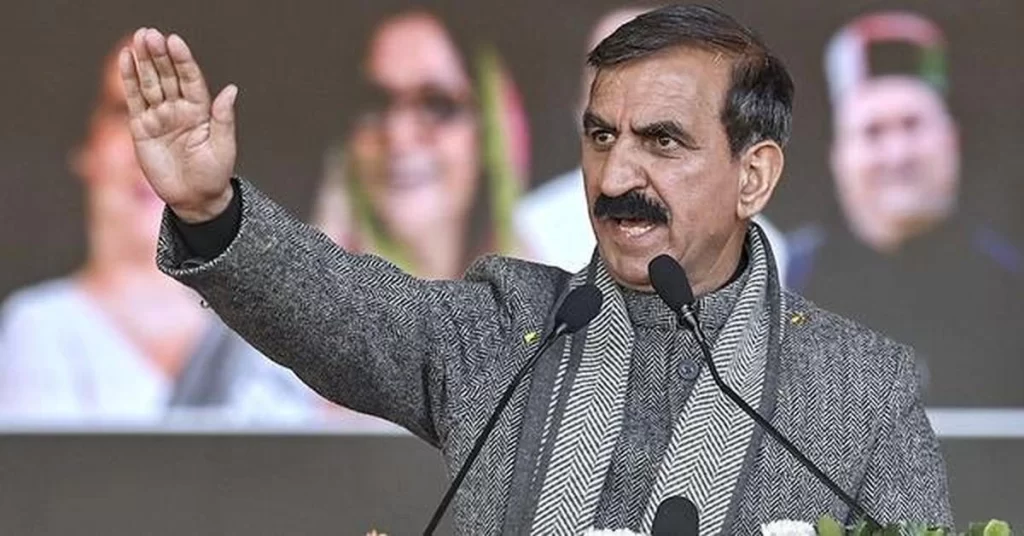
Once predominantly associated with illegal cultivation in hill districts such as Kullu, Mandi, and Chamba, cannabis — or industrial hemp — is being repositioned as a high-value, eco-friendly crop under strict regulatory oversight. Chief Minister Sukhvinder Singh Sukhu confirmed that the state assembly resolution and the initial 2025 pilot project have laid the groundwork for final regulatory measures that will govern licensed cultivation, processing, and commercial utilisation.
Under the emerging policy design, only industrial hemp with a THC content capped at 0.3% will be legally cultivated. This scientifically defined threshold ensures that the crop remains non-intoxicating and unsuitable for recreational misuse, addressing long-standing public health and law-enforcement concerns.
Economic Impact and Rural Transformation
Government analysts and industry advocates project that regulated cannabis cultivation could become a major economic driver for Himachal Pradesh. Estimated annual revenue from industrial hemp — when fully scaled — ranges between ₹1,000 crore and ₹2,000 crore, a significant infusion for the state’s fiscally challenged economy.
In addition to revenue, the policy is expected to spur green employment, particularly in rural communities historically dependent on seasonal agriculture and tourism. Farmers will gain access to formal markets for hemp fibre, seeds, and derivatives, while startups and processing units are anticipated to flourish in sectors like textiles, cosmetics, bioplastics, biofuel, and environmentally friendly construction materials such as hempcrete.
A key aspect of the strategy focuses on sustainable agriculture: hemp’s climatic resilience and lower water requirements make it especially suitable for hillside cultivation where traditional crops struggle against wildlife pressure and soil constraints.
Regulatory Framework and Scientific Oversight
To ensure robust governance, the policy framework under development will institute a state-level regulatory authority tasked with licensing, monitoring, and compliance. Advanced tools such as geo-tagging of farms and collaboration with agricultural universities — including research on region-specific seed varieties — are part of the oversight infrastructure designed to maintain quality standards and prevent illicit diversion.
Critics have raised concerns about the potential for misuse and the challenges of enforcing non-intoxicant standards in remote terrains. Nonetheless, state officials maintain that strict THC caps and scientific monitoring will safeguard both public health and development objectives.
Looking Ahead: Economic Self-Reliance by 2027
As Himachal Pradesh nears the finalisation of its regulated cannabis cultivation policy, the state is betting on this bio-economy push to catalyse self-reliant growth by 2027. If implemented effectively, the programme could not only revolutionise traditional farming practices but also attract investment and enhance the state’s stature in India’s emerging hemp industry.
Key Trends & Keywords to Watch
- Himachal cannabis policy 2026
- Regulated hemp cultivation
- Green to Gold initiative
- Industrial hemp revenue
- THC compliance and agriculture
- Bio-economy and sustainable crops
- Rural employment & hemp industry