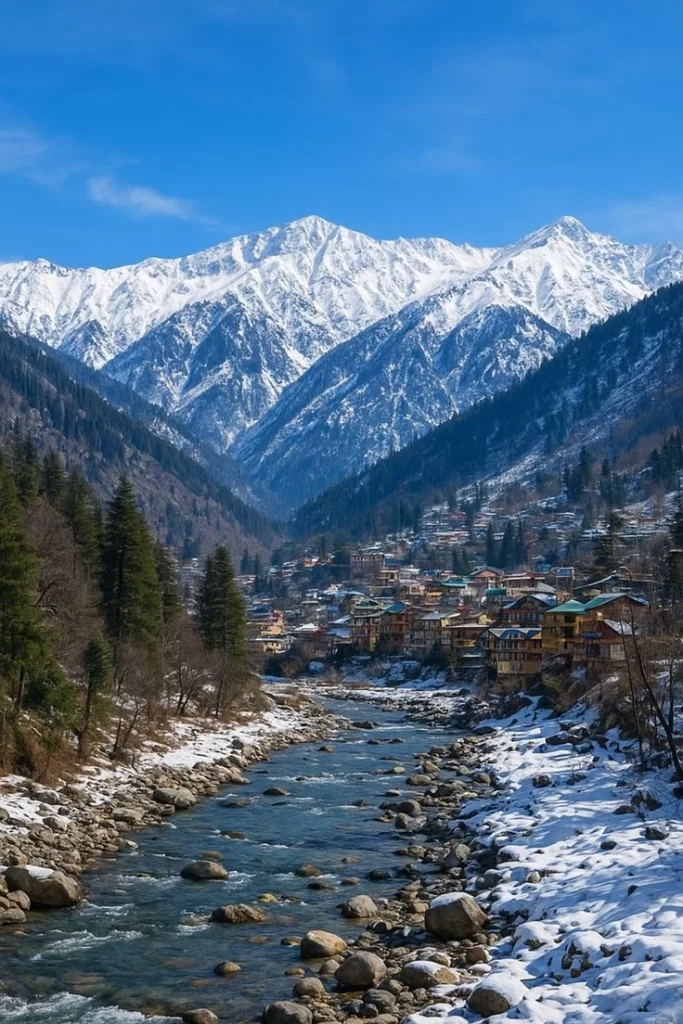
In May and June, temperatures in India’s plains often rise above 40°C. Hill stations are like oases of fresh breezes and green landscapes. This summer 2026, the age-old question is still up for debate: Himachal Pradesh or Uttarakhand? Manali or Rishikesh? Shimla or Mussoorie? The Ministry of Tourism said that more than 15 million people are likely to visit the Himalayas as domestic tourism picks up following the rainy season. People who travel want more than just a getaway; they want value, adventure, and trips that look good on Instagram. This fair comparison pits these northern beauties against each other in terms of weather, cost, road conditions, types of travelers, and secret places. It will help you figure out which state is ideal for the summer of 2026.
Weather Showdown: Cool Places to Go When the Weather Is Unpredictable
The summer weather is what makes the Himalayas so appealing, and both Himachal Pradesh and Uttarakhand offer relief from the heat wave that is affecting Delhi and other areas. As of late March 2026, the India Meteorological Department (IMD) has data that makes it easy to make predictions for May and June.
Himachal Pradesh, which lies higher up, promises clear mornings and warm afternoons. In May, the average high in Manali is between 20 and 25 degrees Celsius. In June, it drops to between 15 and 20 degrees Celsius. Shimla stays between 18 and 23 degrees Celsius. Rainfall stays moderate, with 50 to 80 mm in May and up to 120 mm in June. This is perfect for apple orchards that need a lot of water but don’t want to be disturbed. Due to a smaller La Niña effect, the weather is drier in early 2026 than it was last year.
Uttarakhand is a little cooler in the lower Garhwal areas. In May, Rishikesh’s daily temperatures range from 22 to 28 degrees Celsius. By June, they drop to 18 to 24 degrees Celsius. Mussoorie is a cool 15 to 22 degrees Celsius. But its monsoon precursor hits harsher, with May rains of 70 to 100 mm and June rains of 150 to 200 mm, which makes abrupt downpours along the Ganges more likely. Recent IMD alerts say that Uttarakhand is at risk for cloudbursts, like what happened in Kedarnath in 2025.
Quick Look at the Weather (May–June 2026):
Temperature (Highs): Himachal (20-25°C) vs. Uttarakhand (22-28°C)—Himachal wins for always being cool.
Himachal gets 50 to 150 mm of rain, while Uttarakhand gets 100 to 250 mm. Himachal is drier, which is ideal for outdoor plans.
UV Index and Humidity: Both are moderate (UV 8–10); Uttarakhand is stickier along rivers.
Verdict: Himachal is a good place to go for a peaceful summer vacation; Uttarakhand is a good place to go if you want to be near rivers and have a backup plan in case it rains.
Budget Breakdown: Getting the Most for Your Money in Paradise
Inflation is making the average cost of a trip go up 12% per year, thus cost-conscious travelers are the most common type of traveler in 2026. Both states are affordable, however Himachal is better for budget flexibility.
A mid-range 5-day tour for two in Himachal costs between ₹25,000 and ₹35,000. Hotel prices in Manali range from ₹2,500 to ₹5,000 per night (for example, stays in apple orchards), and in Shimla, they range from ₹3,000 to ₹6,000 per night. Meals of street food like siddu and trout fry cost between ₹200 and ₹400. Paragliding in Bir-Billing and other fun things to do cost between ₹3,000 and ₹5,000 each ride.Buses and shared taxis that run in Chandigarh keep the cost of getting there and back to about ₹5,000.
Uttarakhand is very close at ₹28,000–₹40,000 for five days, although adventure premiums are high. The cost of staying in a guesthouse in Rishikesh is between ₹2,000 and ₹4,500 per night. The cost of staying at a heritage hotel in Mussoorie is between ₹3,500 and ₹7,000.
Himachal is a great place to go on a budget, especially since homestays are cheaper under eco-tourism plans till 2026. Uttarakhand’s spiritual extras (yoga retreats that cost more than ₹10,000) make it worth it for people who want to be well.
Road Conditions and Travel Alerts: How to Deal with 2026 Problems
Both states say their infrastructure is better after the monsoon repairs in 2025, but summer 2026 presents new problems. The Rohtang Pass in Himachal (the Manali-Leh highway) opens in mid-May according to NGT rules. BRO enhancements have cut landslides by 30%. Shimla’s NH-5 is still strong, however during the shoulder seasons, high truck traffic causes small cracks. Alerts right now: There is a little chance of obstructions, and ISRO satellite data shows that the Mandi-Kullu portions are stable. By car, it takes 10 to 12 hours to get to Delhi.
The Char Dham path in Uttarakhand is beautiful but dangerous. The Rishikesh-Dehradun highways are smooth, but Mussoorie’s Camel’s Back Road is in risk of erosion because it is so winding. Forecasts for June 2026 say that the chance of landslides in Tehri-Garhwal will be increased (20% more than in 2025) because of changes in the reservoir. Upgrades to NH-7 assist, however the most current UTDB reports say that repair work is causing 15% delays. Delhi to Rishikesh: 8–10 hours, speedier but likely to be crowded with pilgrims.
Use IRCTC apps to get notifications in real time. Himachal’s broader highways are better for driving, while Uttarakhand’s roads are better for buses.
Made for Everyone: Families, Couples, and Solo Travelers
In this battle between Himachal and Uttarakhand for the summer of 2026, your travel style is the deciding factor.
Himachal Pradesh is the best place for families. Kids love the toy train rides and picnics on Mall Road in Shimla. In Manali’s Solang Valley, kids may safely zorbing (₹1,000/session). There are a lot of family resorts with playgrounds, and there are less people, which means fewer tantrums. Older kids can do Uttarakhand’s difficult walks, including Benog Wildlife in Mussoorie, but the river currents near Rishikesh can be dangerous.
Uttarakhand is the best place for couples. The Ganga Aarti at sunset in Rishikesh and the lighted Kempty Falls in Mussoorie are both romantic. Private rafting and yoga trips bring people closer together. Himachal has Manali’s Rohtang snow points and Shimla’s colonial walks, but the crowded atmosphere makes it less private.
Himachal is the best place for anyone traveling alone. Backpackers come to Bir’s paragliding hostels and Kasol’s cool cafes. Trekking alone on trails like Triund (₹500 guiding fee) brings people together. Uttarakhand’s ashrams are good for anyone who want to get back in touch with their spiritual side, but Rishikesh’s party scene can be too much for introverts.
Hidden Gems: Places Tourists Don’t Go
People who don’t like crowds will love these hidden gems that make your trip more than just a cliché.
Secrets of Himachal:
Tirthan Valley: clean trout fishing and hikes in Great Himalayan National Park, away from the crowds in Manali (stay in eco-lodges for ₹2,000).
Jalori Pass is close to Banjar. There are blooming rhododendrons and treks around Serolsar Lake, but no tourist buses.
Chitkul (Spiti edge): The last Indian village with vistas of apple blossoms, open before the monsoon.
Uttarakhand’s Secret Places:
Chopta-Tungnath: Mini-Switzerland meadows and the world’s highest Shiva shrine (3.7 km trek with few people).
Khirsu, which is close to Pauri, has apple orchards and great views of Auli. It’s far from the shops in Mussoorie.
Kanatal, which is close to Dhanaulti, has skywalks and strawberry orchards for peaceful sunsets.
According to tourist data, these places get 50% fewer visitors than the main attractions that were advertised in the 2026 UTDB and HPTDC campaigns.
Why the Versus Format Causes Arguments—and Which One to Pick?
Himachal vs. Uttarakhand in the summer of 2026 comes down to what you want. Himachal has reliable weather, is budget-friendly, and is great for families and solo travelers, making it the best choice for 70% of domestic travelers, according to current Skyscanner statistics. Uttarakhand is a great place to go if you love rivers and rain. It has exciting adventures and spiritual activities for couples.
What are the bigger effects? Sustainable tourism is on the rise, with both states limiting the number of vehicles (for example, Himachal’s green permit scheme) to reduce the carbon imprint of overtourism. Since 2023, the number of tourists has gone up by 18%. In the future, the expected eco-fees for 2027 could change how people plan their budgets.
So, Manali or Rishikesh? Mussoorie or Shimla? Most people will go to Himachal this summer 2026, but Uttarakhand’s wild heart calls to the brave. Which one did you pick last time, or which one do you plan to pick this year? Please share your thoughts in the comments below and vote in our poll!
Himachal vs. Uttarakhand in the summer of 2026: Manali or Rishikesh? Shimla or Mussoorie? A Fair Comparison for Your Ideal Vacation