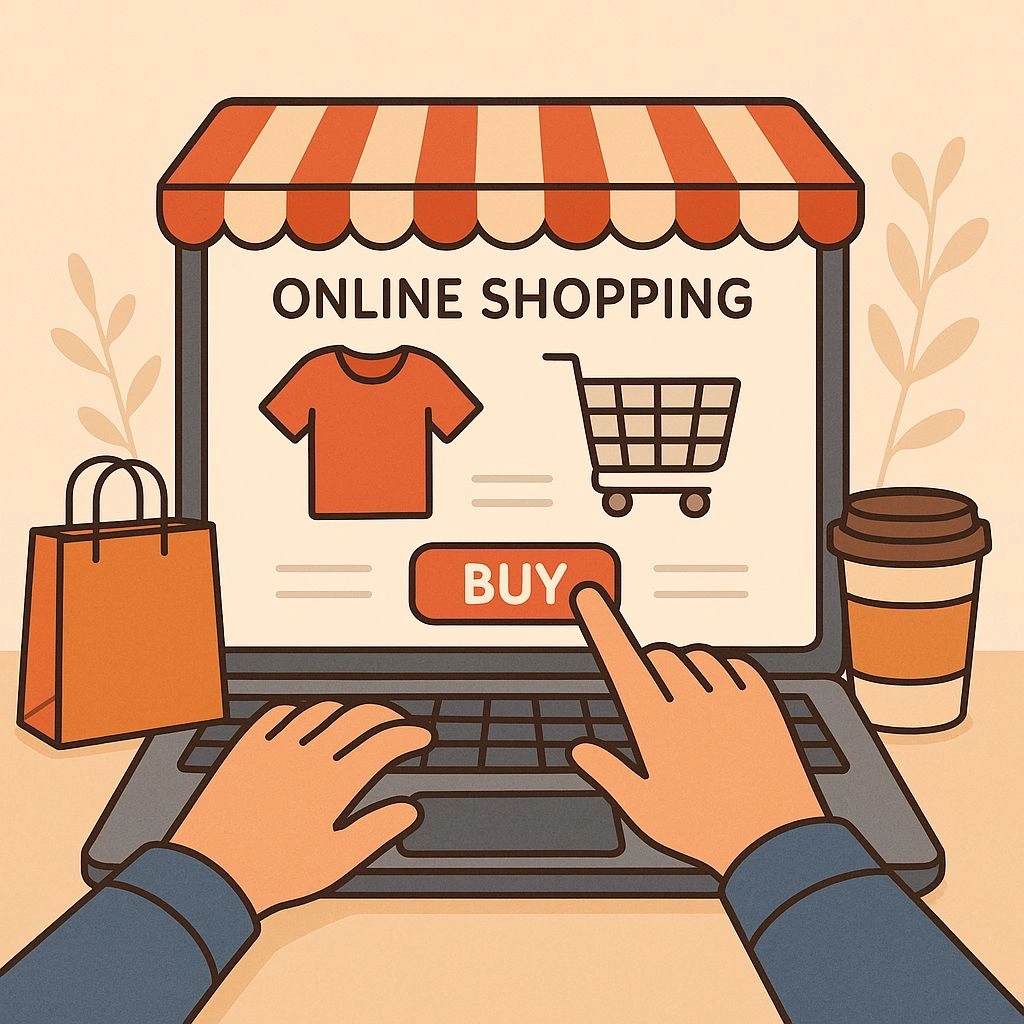
People used to solely look at things on social media. They are now real stores on the web. People are spending billions of dollars on applications that let them buy products without leaving their feeds.
The Rise of Social Commerce
Social commerce has changed a lot in a short amount of time. Shopping is now entertaining and easy because it lets you buy things online and have fun at the same time. Facebook, Instagram, and TikTok all let people buy products straight away. This means that just reading articles could soon lead to sales. People used to buy things online by visiting to the websites of different stores. This alteration is not like that.
By 2026, the amount of money spent on social commerce around the world is predicted to climb from $992 billion to more than $1.2 trillion. The best place to look for phrases like “social commerce evolution,” “in-app shopping explosion,” and “buy now on social media” is on search engines. This shows that people favor products that are simple. People don’t only look at social media these days; they buy products without thinking because of posts that allow them shop and suggestions from influencers. This move puts speed and discovery first, which means stores have to work differently.
What Caused the Boom
There are a variety of aspects that are helping social commerce work. People who live mobile-first want things to happen fast. People that use social media do so on their phones 80% of the time. Using an app to shop makes it easier to check out, which can boost conversion rates by up to 30% compared to links that take you outside the app.
57% of Gen Z and Millennials buy products straight from social media every week. Influencer marketing gets to more people because authentic recommendations are better than ads. Live shopping events, which are popular on TikTok and Whatnot, are like shopping at home on TV, but with real-time interaction that leads to flash sales. There are also economic factors at work. People who are sick of prices going up hunt for deals on apps they currently use instead of going to specialized e-commerce sites. Brands employ user-generated content as social proof to get people to believe them and feel like they need to act right away.
New features on the platform that help businesses expand
The main platforms are all in charge of making ensuring that apps run successfully for business. Instagram added shoppable posts with product tags in 2020, which made it easy to buy things. By 2026, its Reels integration will let artists tag things in the middle of a video. This is a terrific technique to get people to buy things when they see them in popular trends.
The TikTok For You Page algorithm finds things to buy by merging work and play. Its affiliate program offers micro-influencers more leverage, which makes sales more equitable. The finest live streams make millions of dollars, and the average ones make $10,000 an hour.
Facebook changes over time in two ways: through the Marketplace and Groups. You can also buy and sell things with other people who are using them. The catalog feature on WhatsApp makes it easier for small enterprises in Brazil and India, two regions that are developing, to do business. With Snapchat’s AR try-ons, customers can see how makeup or other things would look on them before they buy them. These new features make sure that people don’t only browse at social media; they also buy goods when they are scrolling through their feeds.
Small businesses in underdeveloped countries like India can benefit from social commerce. For example, creators from Nagpur do well. Teenagers and young adults who don’t have a lot of money love “shop with me” hauls on sites like Instagram Reels. People still do things during the day that they used to do, including shopping and scrolling. Things are still not going well: it takes a long time to get a refund, and people are more worried about their privacy. But 65% of users say they are happy with how the app works, which means that simplicity of use is more important than having a lot of choices.
Plans for brands and stories of success
Brands are evolving quickly as more and more people buy things through apps. Nike’s Instagram Shop offers AR sneakers that let people try them on in a virtual form. Experts use Sephora’s TikTok Lives to demonstrate off products, which makes sales go up by 200%.
Small businesses also perform well. Pinterest is ideal for niche crafts, and you can establish a business on Shopify’s social network with just one click. Using powerful terms like “social commerce trends 2026” will make it more likely that algorithms will show your ads.
How it affects the economy and the market
By 2026, 10% of all internet purchases in the U.S. will be made through social commerce. This is bad news for major businesses like Amazon. It creates jobs in content moderation, logistics, and the creative economy, which is worth $250 billion throughout the world. The Indian market is increasing by 50% every year, which is great news for WhatsApp-based services like JioMart.
Retailers make more money since they don’t have to pay affiliate fees, but they also have to cope with more competition. Instagram is where high-end brands like Gucci are experimenting out metaverse stores. This is an example of how Web3 will work. By 2028, sales are expected to reach over $2.9 trillion over the world.The Asia-Pacific region will provide half of this, and the US will provide 20%. This change puts a lot of pressure on traditional malls and makes it harder for people to use more than one channel.
Problems and rules for the future
There are still challenges, even when everything are going smoothly. People are less likely to trust sites that have bogus stuff on them. Big brands have an advantage over tiny ones because of algorithms. People demand more openness when there are data scandals.
The DSA from the EU stipulates that businesses must keep track of their sales, and US rules make sure that influencers are held responsible. Nagpur creators make sure they have a lot of ways to make money so they don’t have to worry about the threats of demonetization. Sustainability is another huge problem. People don’t like fast fashion hauls, thus eco-labels are becoming more and more popular. AI moderation costs platforms money, but it doesn’t change very often.
How buying stuff in apps is changing and growing retail