
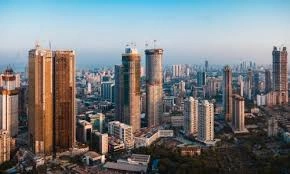
India is trying to find a balance between rapid urbanization and sustainability by setting national goals, changing how cities plan for the future, and getting more people to understand that climate, environmental quality, and social equity are all important parts of growth that need to happen right away. Cities are increasing quickly because people are relocating from the rural to the city to find work and better living circumstances. This makes it harder for structures, land, water, and energy. Floods, heat waves, and low air quality are also making Indian cities less safe.This means that the people in control need to make sure that the plan for urbanization includes ways to protect the environment and the ability to bounce back.
One of the most important parts of this balance is the government projects that are trying to help Indian cities last longer and be more pleasant to live in. The Smart Cities Mission and AMRUT are two of the main programs that want to make city services better, make it easier to manage public areas, utilities, and transportation, and improve infrastructure. The purpose of all of these initiatives is to improve the parks, the water supply, the sewer system, and the government that uses technology. This is part of a larger initiative to help cities grow and create buildings that can handle climate change. The goal is high, but different cities execute it in different ways and with differing levels of quality. This shows that there still isn’t enough room or things to do.
When it comes to how they use land and get around, cities definitely want to grow and stay that way. Many of India’s largest cities are adding bus lanes, metro rail systems, and other types of public transportation. They also want to encourage development that focuses on public transit by introducing more mixed-use zones near stations. The plan’s goals are to cut down on pollution, get people to drive less, and make the trip to work quicker.None of these things make cities worse for the environment. But the benefits aren’t always as good since more people have automobiles, the last mile isn’t well connected, and there isn’t enough of a push for people to walk and bike. This means that adding more infrastructure won’t make things easier in the long run. We also need more rules, including better legislation for parking and driving.
Another crucial part of India’s plan for cities that will last is creating regulations about how to make things and use energy. People want to develop more green buildings and structures that use less energy. They do this by making new buildings better at keeping heat in, lighting them, and cooling them down. This is especially true for really large homes and companies. The government should be able to accomplish its climate goals and use less fossil fuels with green energy initiatives like solar panels on roofs in cities. But even if the government doesn’t have any plans to protect them, communities are nonetheless building a lot of new dwellings. It’s hard to encourage people to follow green standards when there are no regulations or help that everyone has to follow.
Extreme weather events are happening more often and causing more damage, therefore making cities in India more resilient to climate change is becoming a bigger aspect of urban planning. Many cities are doing things to deal with climate change or make themselves stronger. These plans look for problems, set goals for cutting emissions, and provide municipalities guidance on how to make changes, such adding more green spaces, fixing drainage, and preserving coasts where it’s needed. Cities are cleaning the air, controlling runoff, and reducing heat islands by planting trees, building green corridors, and protecting or restoring wetlands. These stages illustrate that we are moving away from merely creating hard infrastructure and toward more ecological solutions that work together. But it can take longer to put these ideas into effect on the ground because institutions are so broken up and don’t have many technical skills.
The social side of sustainability is just as vital. This is because more people are moving to cities in India. This has led to more informal settlements and less aid for the poor who reside in cities. Policies that strive to make slums better, make it easier to buy homes, and offer basic amenities are meant to help individuals who live on the fringes of society become more involved in city life. People are coming to understand that a city that is truly sustainable needs to have safe places to live, clean water, good sanitation, and energy. Also, programs that support migrants and informal workers with their jobs, skills, and social safety nets are vital for making cities’ economies more open so that they don’t leave a lot of people behind as they modernize.
The major challenge with all of these efforts in different sectors is that it’s hard to get money, run cities, and develop strong institutions. Most of the time, cities don’t have the money, technical know-how, or strong leaders they need to design and carry out sustainability projects on the scale that is needed. People are slowly but steadily attempting to improve property tax systems, come up with new ways to collect money, and introduce new tools like green bonds. But these things don’t happen very often. Local businesses, development agencies, and groups at the state level also need to work together better so they don’t make decisions that are too independent and undermine long-term aspirations for sustainability.

