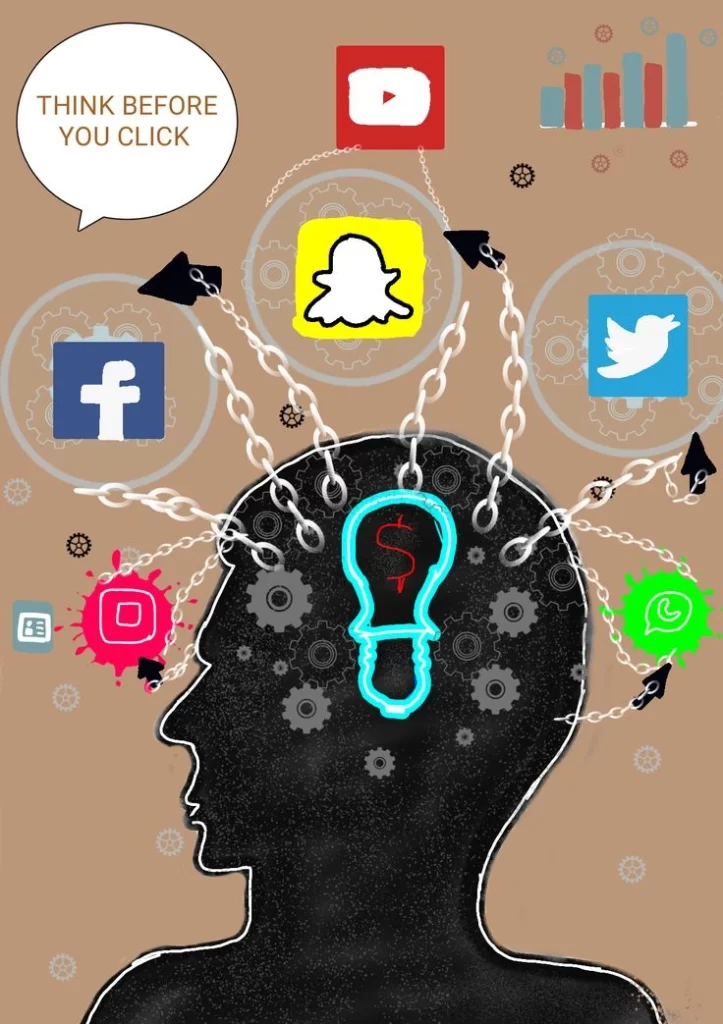
Most people don’t even know that it’s getting tougher for us to focus because we’re always connected to digital devices.
The Rise of Digital Distractions
People’s lives have altered over the past 20 years because of smartphones, social media, and frequent notifications. It’s also tougher for them to focus. Researchers believe that the typical person’s attention span has gone down from 12 seconds in 2000 to only 8 seconds currently. It is shorter than a goldfish’s. The change is because of technology that uses complicated algorithms to attract and keep people’s attention by giving them highly fascinating information.
For example, TikTok and Instagram Reels show short movies that are meant to give you fast amounts of dopamine. This helps your brain grow used to quick changes in information instead of having to focus for long amounts of time. Neuroscientists argue that this continual stimulation affects how neurons link with each other, which makes it tougher to work hard for lengthy periods of time. A lot of individuals don’t know that they spend hours online, which breaks up their days into short spurts of excitement.
Neurological Effects Found
Technology has a big impact on how the brain works, especially the prefrontal cortex, which is in charge of executive functions and paying attention. MRI images demonstrate that using more than one device at a time makes this area of the brain less gray matter, which makes it harder to control impulses and make decisions. The brain starts to process information faster, focusing more on how much it gets than how deep it goes.
When you get a lot of notifications, your brain’s fight-or-flight response kicks in and sends a lot of stress hormones, like cortisol, into your body. These hormones will wake you up, but they might also make you tired over time. This occurrence leaves behind “attention residue,” which means that tasks that were interrupted stay on your mind and make it hard to focus on the next ones by up to 40%. Long-term exposure makes it more probable that you may feel anxious and less able to think clearly.
The Algorithmic Control of Social Media
Smart algorithms on social media sites keep people on the site longer, which is bad for their attention health. People can watch for hours without stopping since autoplay and unrestricted scrolling make it hard to take pauses. The numbers suggest that people look at their phones about 150 times a day, and each time they do, they lose focus for about 14 seconds.
In public, more and more people are using the terms “digital distraction,” “attention economy,” and “social media addiction.” At the same time, platform business models prioritize getting people to utilize their services ahead of keeping them healthy. Autocorrect and predictive text make it even less likely that you’ll think about what you’re doing because AI suggestions do the work for you. Because shorter content is more popular, this trend gets stronger, which makes the cycle worse.
The Productivity Paradox
Technology says it will make things better, but it often achieves the reverse by making it hard to concentrate. On average, professionals switch tasks every 47 seconds, which might cut their productivity by up to 40% each time. Email and Slack are supposed to help people work together, but they really make it hard to stay focused on one issue.
Too many video calls without a break have made me tired with Zoom, and working from home has made things worse. “Digital amnesia” can happen if you spend too much time on screens. People rely too heavily on their technology, which makes it tougher for them to recall things for a long period. Students forget things 10% more often when they use digital resources than when they use print materials. This happens because people are used to quickly reading information.
Changes in Focus Over Time
Younger people are the most affected because Gen Z can’t pay attention to anything that isn’t a video for more than five seconds. They’ve had smartphones since they were very young, and now they can use five or more devices at once. This is connected to more symptoms that are like ADHD, even if the person hasn’t been diagnosed yet. Polls show that 70% of people are scared of books that are more than 200 pages long.
Professionals don’t fare much better; 28% of the time they spend in meetings is on apps that have nothing to do with work. This trend suggests that society is changing, and it seems that long periods of focus are no longer common. “Slow tech” and other groups that are against technology want places to be strong even without it.
Health Effects That Go Beyond Focus
People who use it a lot are more likely to get depressed, and losing attention can also affect your mental health. Screens give off blue light, which makes it hard for the body to generate melatonin. This makes it hard to sleep and concentrate. People who sit there and browse eat too much without even knowing it, which causes them gain weight.
People over 65 who spend a lot of time on digital media age their brains 25% faster. Kids under two who watch screens have difficulties with language, which shows how bad technology can be for kids from the start.
The biggest dangers are not being able to sleep because you scroll all night, being stressed out all the time because of too many notifications, being alone because of hyperlinked networks, and not being able to feel for others because you don’t see them in person as often.
How it affects the economy and business
Companies like Meta and Google make billions of dollars from ads in the attention economy. But the cost to society is high: distractions cost the U.S. economy $650 billion a year in lost productivity. Companies fight back against apps like Freedom and Focus@Will that help users stay on task. These are tech solutions for tech problems.
Important Science Evidence and Research
Microsoft’s groundbreaking 2015 study showed that people’s attention was getting worse, and follow-up studies in 2026 verified this as AI grew. Brain scans demonstrate that dopamine spikes are like gambling addictions. Gloria Mark at UC Irvine maintains track of changes to digital work and says it takes 23 minutes to get back on track after an interruption.
Long-term evidence from the Journal of Experimental Psychology suggests that spending a lot of time on social media can damage your working memory by 15%. fMRI data demonstrate that networks that help you focus are less active after using a device for a long time.
How to Get People to Pay Attention Again
Acts on intent create new paths open up. The Pomodoro method recommends to work for 25 minutes without becoming distracted and then take a break for 5 minutes. This will help you get your energy back. Grayscale screen settings make things less interesting, which means that 30% fewer people use them.
Cal Newport writes in his book Digital Minimalism that you should employ technologies that help you reach your goals, not the other way around. If you have rules that say you can’t check your email after work, you can focus 20% better. As part of their education, schools now teach kids “attention training” to help them keep up their reading skills.
You can take breaks from your phone every day, block sites when you’re doing hard work, focus on one item at a time instead of trying to do a lot of things at once, and walk outside to clear your thoughts to deal with this.
The Good and Bad Things About New Technology
People will require help from AI more since it makes it hard for them to think. Wearable devices that detect focus deliver biometric nudges for immediate improvements, which combine freedom with control. VR platforms make calm, serene places.
Neural technologies like Neuralink aspire to make our brains better so they don’t get worse. However, there are ethical issues with controlling people’s ideas.
Changes in culture and society
It’s preferable to be shorter in our culture. For instance, tweets are better than essays, and snippets are better than features. Literature writes “micro-novels” that are easy to read. People are pushing back more and more because of “dopamine detox” escapes and people who want to live with purpose.
Policies that limit screen time, like China’s rules for kids who play games, seem to work because they help people stay focused. What could happen if we keep going and what could happen Many individuals use modern technologies like AR glasses and AI.These could either make spans longer or keep them the same. By 2030, they could drop by 20% if nothing changes. When you don’t think about it, things don’t get better.
Policies in Europe that provide people the “right to disconnect” make people feel better by recognizing them. If we want to make attention a valuable resource, we need technology that helps people instead of making them less important.
How technology is affecting how people pay attention without their knowing it