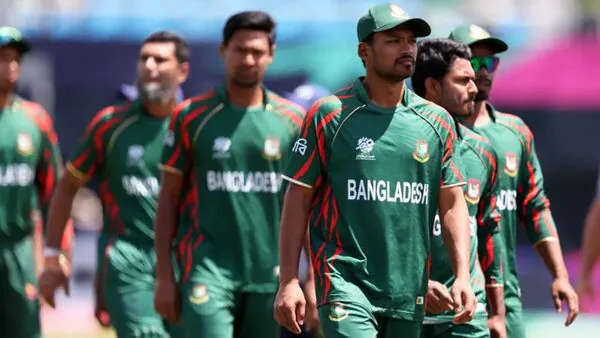
In a major development ahead of the ICC Men’s T20 World Cup 2026, the International Cricket Council (ICC) has declined the Bangladesh Cricket Board’s (BCB’s) bid to shift the national team’s fixtures away from India to alternate venues such as Sri Lanka. The decision confirms that Bangladesh’s scheduled matches in Kolkata and Mumbai will proceed as planned, underscoring the ICC’s commitment to preserving the original tournament schedule and enforcing regulatory norms.
The Bangladesh board’s request, rooted in security and player safety concerns, had ignited widespread debate across global cricket forums. However, after evaluating the situation, the ICC concluded there were no credible security threats that warranted relocation. Officials emphasized that the tournament’s structure, logistics, and broadcast arrangements hinge on maintaining the pre‑announced venues.
BCB’s Concerns and Official Appeal
The BCB’s appeal to the ICC came on January 4, 2026, when the board formally requested a change of venue for its group‑stage matches, citing apprehensions about the safety and well‑being of players if they traveled to India. The proposed alternative was to host Bangladesh’s fixtures in Sri Lanka — a co‑host nation for the global event.
Bangladesh’s stance was publicly reinforced by several high‑level internal consultations, with board members stressing that team security must be prioritized amid fluctuating diplomatic relations between Bangladesh and India. The request followed the controversial release of Bangladeshi pacer Mustafizur Rahman from the Indian Premier League (IPL) 2026, which the BCB tied to broader concerns about bilateral sporting cooperation.
ICC’s Rationale and Response
During a virtual meeting held on January 6, ICC officials informed the BCB that the organization had reviewed all security assessments and determined there were no actionable threats that would justify shifting the matches. The ICC also reportedly indicated that Bangladesh’s team would be required to compete in India as scheduled or risk facing sporting repercussions, including potential forfeiture of points.
Despite reports suggesting the ICC had issued an ultimatum, the BCB subsequently clarified that it had not received any official communication declaring a final decision or threats of sanctions. In a measured response, the Bangladeshi board reaffirmed its commitment to constructive dialogue with the ICC and stated that it remained focused on securing assurances for the team’s safety.
Tournament Implications and Broader Context
The ICC Men’s T20 World Cup 2026 — co‑hosted by India and Sri Lanka — is scheduled to run from February 7 to March 8, 2026. Bangladesh is set to face top teams including West Indies, England, Italy, and Nepal in their group fixtures. The rejection of the relocation request adds a complex layer to the tournament’s buildup, blending sports diplomacy, security appraisal, and cricket governance.
Cricket analysts and fans alike are watching closely as the situation evolves, with many questioning how security assurances will be managed and whether any further negotiations will take place between the ICC and the BCB in the coming weeks. Remaining consistent on schedule while balancing genuine safety concerns presents a significant challenge for the global cricketing body.
Key Takeaways
- ICC outright rejected BCB’s request to relocate matches from India to Sri Lanka.
- No credible security threat was identified by ICC that would justify venue changes.
- Bangladesh’s participation remains intact, with fixtures to be played in Kolkata and Mumbai.
- BCB denies any formal ultimatum, underscoring ongoing engagement with the ICC.
As the clock ticks down to the T20 World Cup’s opening match, all eyes are on how diplomatic sensitivity and organizational resolve will shape the final outcome — both on and off the pitch.