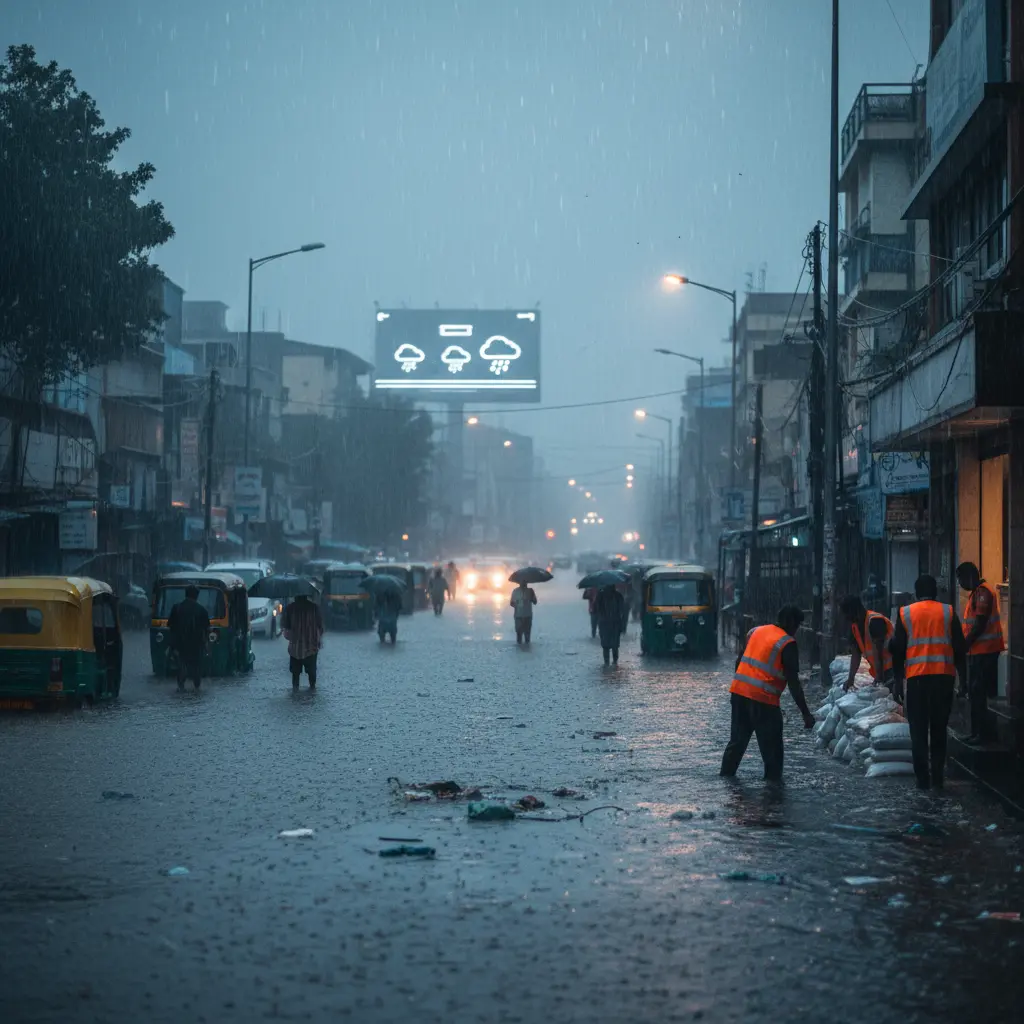
If you’ve stepped outside in the last few days and felt like the sky simply refuses to stop crying, you’re not imagining things. The India Meteorological Department (IMD) has sounded the alarm on heavy to extremely heavy rainfall sweeping across a huge stretch of the country, and honestly, this monsoon season is showing no signs of slowing down.
The latest IMD weather alert has put several states on high alert from the coastal belts of Kerala and Karnataka to the plains of Rajasthan and the bustling streets of Delhi-NCR. Maharashtra, Gujarat, Odisha and Madhya Pradesh have also been right in the rain’s path, with local authorities grappling with waterlogged roads, traffic disruption and the usual monsoon mayhem that accompanies India’s wet season.
A Monsoon That Means Business
This year’s India monsoon 2026 has been anything but shy. According to IMD updates, a well-marked low-pressure area has formed over the northwest Bay of Bengal, and its influence is keeping the monsoon active across central India for the next several days. That’s meteorological speak for “expect more rain, and expect it to be heavy.”
Places like Konkan and Goa have already recorded extremely heavy rainfall at isolated spots, while Odisha, East Madhya Pradesh, Gujarat, and parts of Karnataka and Kerala have seen heavy to very heavy showers. If you’re in Chhattisgarh, Vidarbha, or West Madhya Pradesh, the IMD has flagged your region too, warning of isolated pockets that could see extremely heavy rainfall in the coming days.
Even the national capital hasn’t been spared. Delhi-NCR, along with Haryana, Punjab, and parts of Uttar Pradesh, are under watch for heavy rainfall, and residents there are already dealing with the familiar mix of traffic snarls and flooded underpasses that tend to follow a good monsoon downpour.
Why This Matters for You
This isn’t just a weather update to skim past. A flood warning of this scale means real disruption for real people. Waterlogging has been reported in many cities and low-lying areas are particularly vulnerable now. If your daily commute passes through an underpass or a flood-prone stretch, it might be worth rethinking your route until things settle down.
Disaster response teams are on standby in several states, which tells you how seriously local administrations are taking this spell. Officials have been urging people to skip non-essential travel, especially in areas where rivers and drains are already running close to capacity. It’s the kind of advice that’s easy to brush off until you’re the one stuck knee-deep in water with a scooter that won’t start.
Farmers, interestingly, might actually welcome this news. A strong and consistent monsoon is good for crops, reservoirs, and groundwater levels, especially in states like Maharashtra and Madhya Pradesh where agriculture leans heavily on timely rains. But there’s always a flip side, and that flip side is flooding, landslides in hilly regions, and the kind of infrastructure strain that Indian cities know all too well.
What’s Happening on the Ground
In Mumbai and other parts of Maharashtra, heavy showers have already tested the city’s drainage systems, a story that repeats itself almost every year but never quite stops making headlines. Gujarat’s Saurashtra and Kutch regions have also logged heavy rainfall, while Kerala’s coastal stretches continue to see persistent showers thanks to the active west coast monsoon current.
Karnataka’s interior regions, both north and south, are expected to receive isolated heavy rainfall through the week, and Rajasthan isn’t far behind, with the eastern part of the state bracing for heavy to very heavy spells along with gusty winds and thunderstorm activity.
How to stay safe during this spell If there is one takeaway from this IMD weather alert, it is that preparedness is better than panic. Keep watching local news and official IMD updates and don’t fall for rumours or social media forwards. “Never drive through flooded roads, even if they appear shallow. Water levels and currents can be deceptive and surprisingly little water is needed to stall a car or sweep someone off their feet.
Keep emergency numbers at hand, charge your devices when you can and if you live in a flood-prone locality, have a basic go-bag ready with essentials. For those living in hilly areas, especially in parts of Karnataka, Kerala and the Himalayan states, the risk of landslides tends to rise with the intensity of rain, so extra caution is warranted.
The broader picture The weather is becoming the new normal for Indian monsoons – swinging between long dry spells and sudden intense bursts of rain. Whether it is climate variability, changing monsoon patterns or just an unusually active weather system this year, the practical advice is same: stay alert, stay informed and do not take unnecessary risks until the IMD gives the all-clear.
Your best option for now is to continue checking official updates, plan your travel according to the forecast rather than in opposition to it, and to respect the weather as it clearly demands this season.
IMD Issues Heavy Rain Alert Across India: What You Need to Know.