
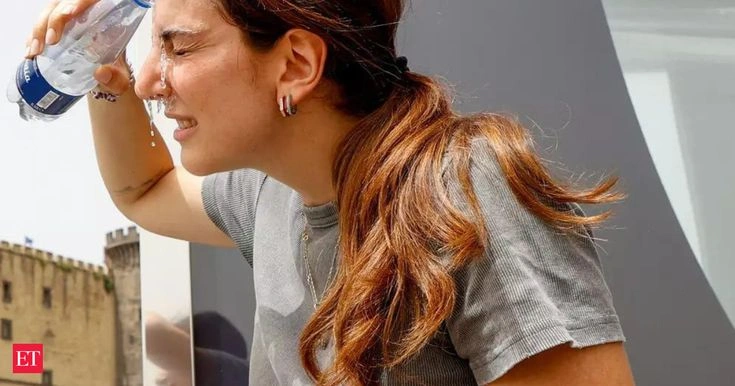
The India Meteorological Department (IMD) has warned the whole state about a heat wave. They claim that temperatures could be greater than normal from March to May 2026 and could even break records. This early start puts public health, farming, and city infrastructure at danger, therefore everyone needs to be ready right away.
The IMD has warned India of a very hot spell from March to May 2026. Temperatures could be 2–4°C higher than usual for this time of year in certain major regions. This warning, which is based on changing climatic trends, indicates that more than a billion people are more likely to get sick from the heat, lose crops, and have problems with their power. To avoid this crisis, it’s crucial to know how it will effect different locations and what safety measures are in place.
IMD’s Breakdown of the Heatwave Prediction
The IMD’s seasonal forecast states that March will be “unusually hot.” This will make the summer exceedingly hot because to El Niño remnants and urban heat islands. The most likely places to have heatwave days are central and northwestern India, such as Rajasthan and Madhya Pradesh. These are days where the maximum temperature is at least 4.5°C higher than normal for at least two days in a row. States in the east, like Bihar and Odisha, may suffer long stretches of very hot weather. States in the south, on the other hand, have humid heat that makes things even worse.
One of the most important projections is that there will be 8 to 12 days of heat waves in the main areas, up from 4 to 6 last year. In northwest India, temperatures might be as much as 3°C higher than average. In peninsular locations, they could be as much as 2°C higher than normal. If the start happens at the appropriate time, March highs in Rajasthan could exceed 40°C, which is earlier than usual for April. This prognosis corresponds with the trend of global warming, which has rendered India’s heat waves 30% stronger since 2000.
What happens in the Northwest and Central parts of India
The dry terrain makes the heat worse in Rajasthan, Punjab, and Haryana in the northwest. In April and May, temperatures in Jodhpur and Churu could reach 45–48°C, which would put even more strain on water resources that were already low from prior monsoons. Wheat harvests, which account for half of India’s output, could die if the temperature stays above 40°C for a long time. This could lower yields by 10% to 15%. The rapeseed crop in Madhya Pradesh is also in jeopardy, which hurts the farmers’ income and the availability of edible oil.
In the past, these kinds of disasters have caused more livestock mortality. For instance, in 2024, more than 2,000 cows perished in Rajasthan alone. In locations like Delhi, “heat islands” are projected to elevate the temperature to 50°C, which will lead hospitals to be overwhelmed with cases of dehydration.
Issues in the East and Northeast
Bihar, Uttar Pradesh, and Jharkhand in the east are having a lot of problems with the heat and humidity before the monsoon. The Gangetic plains near Patna might get as hot as 42 to 45 degrees Celsius, which would be like being in a sauna and would put a lot of stress on the body. The poor people who live in the country and work outside are especially vulnerable. In the past, more people came to the hospital with heatstroke.
Tea plantations in northeastern states like Assam and West Bengal could be hurt by bad weather that costs $1.2 billion. The heat of 2023 led yields to drop by 20%, which will have an influence on the economy and exports.
Issues on the Southern Peninsula
Wet-bulb temperatures in Peninsular India, from Maharashtra to Tamil Nadu, are reaching close to dangerous levels of 35°C. This means that the area is getting set for hot, humid waves. Mumbai and Chennai’s coastal cities could lose electricity because of AC surges, and the systems are already failing under peak demands in 2025. Fish deaths in warmer seas might cut the income of Kerala’s backwater fishermen in half.
Bengaluru, Karnataka, used to be a nice area to live, but now it gets really hot in the city, which makes it harder to get to work and to IT clusters. The heat index shows that the 70% humidity in these places makes 38°C seem like death.
The cost to farming and the economy
The agricultural sector in India, which employs 45% of the workers, is the most at risk. If the heat stays the same in March, wheat belts in the Punjab-Haryana-Indo Gangetic plains could lose 5 to 8 million tons. This would make food more expensive all throughout the planet. In Rajasthan and UP, rapeseed-mustard, which is vital for 25% of the country’s oil, could have 12% less yield, which would make imports more expensive.
Because of heat waves in the past, the economy as a whole is predicted to lose 1–2% of its GDP. Forecasts for 2026 suggest that productivity will drop by $50 billion. If power use goes up by 15%, it might put a lot of stress on coal-dependent systems that are already short on power. Food prices could go up in the northwest, such in Rajasthan and Punjab, and farmers could lose $10 billion. In the middle areas, supply chains might not work right. People in the east could come to the country, and in the south, exports could drop.
There is a public health catastrophe going on.
In India, heatwaves kill between 2,000 and 5,000 people every year. In 2026, more people who are already at risk, such the elderly, children, and laborers, are expected to die. The most common concerns are dehydration, heatstroke, and heart strain, which are putting a lot of stress on ICUs. Health data shows that women and people who work outside are 40% more likely to get sick.
People who live in slums don’t have air conditioning, and people who live in remote areas don’t get early warnings. Mental health expenditures include worrying more because you can’t sleep on nights when it’s 40°C.
Government and IMD Safety Measures
By March 15, IMD expects “Heat Action Plans” (HAPs) to be put into effect in more than 200 places. Some of the efforts include early warning systems that send SMS alerts 72 hours ahead of time using the IMD app and color-coded forecasts (red for extreme). As part of hydration programs, more than 50,000 kiosks and “Jal Jeevan” water ATMs in communities offer away free Oral Rehydration Solution (ORS).
There are shaded locations for construction workers to relax, and work hours are limited to 12 to 4 PM. Cooling infrastructure features “heat clinics” in 500 districts and school breaks when the temperature rises above 42°C. Seedlings that can survive drought and crop insurance claims that are handled quickly are two examples of agricultural aids. Maharashtra sends out “heat warriors” to check on homes, and states like Rajasthan need cool roofs. NDMA guidelines say that you should wear light clothes, take naps, and not work too hard.
What Experts Say About the Climate Situation
Meteorologists say this is due of a “triple whammy”: La Niña is dying down, the Atlantic is becoming warmer, and people are putting greenhouse gasses into the air. Dr. Madhavan Rajeevan, who used to be in charge of the IMD, predicts that if the world’s temperature rises by 1.5°C, these things could happen every two years. Agronomists say that precision irrigation is the best way to go, while health experts say that “heat vulnerability mapping” is the best way to go.
India’s NAPCC wants to cut emissions by 45% by 2030, but it isn’t being implemented now. People can feel hopeful when they see things like rooftop solar panels and green corridors that show how strong a community can be.
Weaknesses and changes in cities
Megacities make things worse: the asphalt in Delhi holds heat, which makes the evenings 5°C warmer. The fatality rate in Mumbai’s slums is three times greater than in other parts of the city. Changes include better air conditioning on the metro, plans to plant 10 crore saplings, and AI-powered heat maps.
Because of what businesses are doing, IT companies are migrating to night shifts, and e-commerce is speeding up cold-chain logistics for commodities that go bad quickly.
Ways to make rural areas stronger
Villages come up with novel ways to keep cool, gather rainwater, and provide shelters for animals. Goonj and other NGOs give out reflective sheeting, and self-help groups show people how to help someone who has heatstroke. Women’s groups say that cultivating millet instead of rice is better since it can endure heat better.
What We Can Learn from Other Countries
India’s problem is like Pakistan’s wave in 2022 that killed 1,200 people and Europe’s heat wave in 2025. Thailand’s cooling facilities, which cut mortality by 30%, and Australia’s “Beat the Heat” programs are examples of how people are becoming more aware.

