
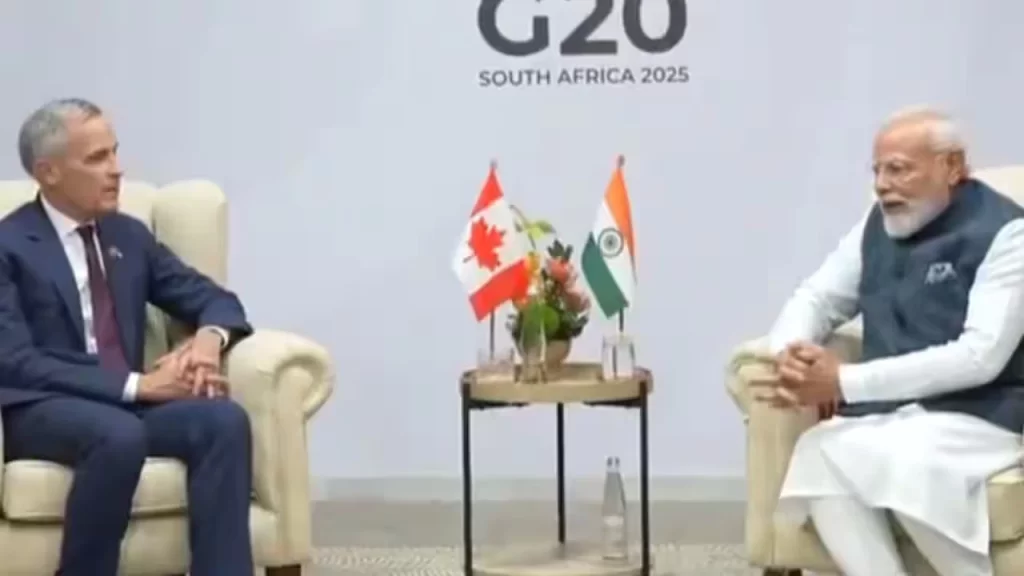
On November 28, 2025, India’s commerce leadership announced a sweeping trade‑diplomacy push: the country is negotiating fair and balanced trade agreements with 14 groups of countries representing nearly 50 nations. The announcement, made by Commerce and Industry Minister Piyush Goyal, signals a decisive step in India’s strategic global trade realignment.
📌 Where India stands today
- Ongoing negotiations involve major economies and regional blocs including the European Union (EU), the United States (US), Gulf Cooperation Council (GCC) nations, and others like New Zealand, Israel, the Mercosur group, Eurasian partners, Canada and South Africa.
- Already concluded deals include trade pacts with the European Free Trade Association (EFTA – Switzerland, Norway, Iceland, Liechtenstein), the United Arab Emirates (UAE), Australia, the United Kingdom (UK) and Mauritius.
- Talks with major partners like the US, EU and Canada are being actively pursued — with a fresh round of trade talks with Canada set to resume next week under a proposed comprehensive economic partnership.
Strategic Rationale — Why Now?
The push for trade deals comes in a context of shifting global trade dynamics. Rising tariff pressures, supply‑chain realignments, and geopolitical uncertainties have prompted India to strengthen economic partnerships with trusted allies. Goyal emphasized that Delhi seeks “fair, balanced and equitable” trade agreements — ensuring that India’s access to a vast domestic market of 1.4 billion people corresponds to commensurate benefits for its partners.
He further noted that such agreements could create enhanced opportunities for Indian exporters by enabling better access to overseas markets, boosting export volumes, and diversifying supply chains.
What India Is Negotiating — Key Areas & Scope
| Partner / Bloc | Status / Focus | Anticipated Outcomes |
|---|---|---|
| United States | Bilateral Trade Agreement (BTA); first phase expected by Nov 2025 | Improved market access, tariff adjustments, export growth |
| European Union | FTA talks ongoing; often cited as “almost finalizable soon” | Lower tariffs, easier goods/services trade, stronger EU–India economic ties |
| Canada | Comprehensive Economic Partnership Agreement (CEPA) talks to resume | Enhanced bilateral trade in goods/services, long‑term cooperation |
| GCC, Mercosur, Eurasia etc. | Initial discussions underway across multiple groups | Diversified trade partners, resilient supply‑chain networks |
Challenges & India’s Cautious Approach
Despite ambitions, the government underlines caution. Goyal has made clear that India will not sign any agreement simply to meet deadlines — every deal must secure national interest, safeguard farmers, MSMEs, and domestic industries, and ensure balanced gains.
This cautious stance comes amid concerns over tariff hikes, especially after import duties imposed by the US — a factor that has already impacted exports. Through careful negotiation, India aims to strike a balance between global integration and domestic economic protection.
What Lies Ahead — Outlook for 2026 and Beyond
With multiple tracks moving in parallel, 2026 could prove decisive. If negotiations with the US, EU and Canada conclude successfully, India could unlock significant export opportunities, attract foreign investment, and fortify its global trade footprint.
For domestic industries — from agriculture to manufacturing — these deals can offer access to new markets and supply‑chain diversification. However, the benefits will depend heavily on how well India manages sensitivities related to labor standards, tariffs, and regulatory harmonization.

