
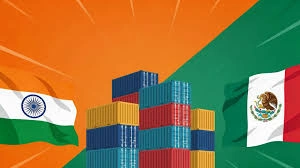
India has initiated diplomatic talks with Mexico to address the latter’s planned increase in import tariffs, which could reach 50% on certain products from countries without a Free Trade Agreement (FTA), including India. These new tariffs are scheduled to take effect January 1, 2026, raising concerns across Indian industries that export to Mexico.
The proposed tariffs cover a wide range of sectors, including automobiles, auto parts, steel, textiles, electronics, and machinery — key areas where India has significant export volumes. Indian authorities have termed the move unilateral and have sought negotiated solutions to prevent disruptions to established trade flows.
India’s Diplomatic Push
Indian trade officials have already engaged in discussions with their Mexican counterparts to explore avenues for mitigating the impact of the tariff hikes. The Indian government emphasized the importance of cooperative economic engagement and transparency in global trade practices, while also signaling that it may take “appropriate measures” to protect domestic industry interests.
Industry bodies in India have warned that the tariff increases could substantially erode the competitiveness of Indian exports, especially in the automotive and electronics sectors. With nearly three-quarters of India’s exports to Mexico potentially affected, companies are evaluating strategies to safeguard market access and maintain growth in the North American region.
Economic and Trade Impact
The tariff revisions are expected to have significant economic implications:
- Automobiles and auto components: Likely to face duties rising to 35–50%, threatening India’s established presence in the Mexican market.
- Electronics and machinery: Products such as smartphones and machinery may encounter prohibitive tariffs, curbing Indian exports.
- Steel and heavy industry: The sharp increase could price Indian steel and related products out of competitive segments.
Analysts note that Mexico’s tariff strategy is aimed at protecting domestic manufacturing, reducing trade imbalances, and strengthening local industries. It also reflects broader geopolitical trade considerations, particularly in the context of the North American trade environment and the USMCA framework.
Future Outlook
| Area | Possible Developments |
|---|---|
| Diplomatic negotiations | Ongoing talks to secure concessions or phased implementation. |
| Trade agreement prospects | Potential negotiation of an India-Mexico FTA to safeguard exports long-term. |
| Industry response | Diversification of markets and supply chains to offset tariff barriers. |
| Multilateral engagement | India may raise concerns in WTO forums regarding non-discriminatory trade practices. |

