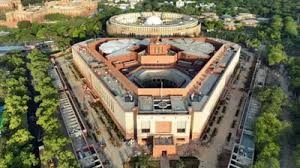
India is contemplating a significant shift in its parliamentary structure: a potential increase in Lok Sabha seats from the current 543 to a staggering 816. This isn’t just a technical adjustment; it’s a move that could reshape the political landscape, and it’s tied to the next delimitation process. The objective? To better represent India’s expanding population and to redistribute power among the states. As the nation prepares for the next parliamentary session, this proposed “major political reform” could fundamentally alter the electoral process, the nature of representation, and the functioning of the central government. Why the push now, and what does it mean for over a billion citizens?
The proposal’s genesis lies in delimitation and the pressures of population growth. Since 1977, the Lok Sabha, the lower house of Parliament, has remained at 543 elected seats.
After the 42nd Constitutional Amendment, which put off delimitation to avoid punishing states with better family planning, that freeze happened. At that time, India had roughly 550 million people. What about today? Over 1.4 billion, with the most recent census showing huge growth in northern states like Uttar Pradesh and Bihar.
Delimitation changes the lines that separate districts based on population. The last full exercise ended in 2002, utilizing census data from 2001. Because of that cap, the number of seats stayed the same, at 543. Now that the 2021 census has been pushed out and predictions are calling for action, thoughts of removing the freeze are getting more serious. The government of Prime Minister Narendra Modi has hinted at it, saying it has to do with women’s reservation under the Nari Shakti Vandan Adhiniyam, which was approved in 2023 but is still waiting for delimitation to take effect.
Imagine this: Uttar Pradesh might send more than 100 MPs under a new formula, up from the 80 it presently sends. Bihar could go up from 40 to more than 50. Southern states like Tamil Nadu or Kerala, where the population is growing more slowly, are worried about losing power. Is this change a fair way to catch up, or a way for the North to take over? There is a lot of debate going on in politics, and the next session may bring up a measure.
What 816 Seats Would Look Like: A Breakdown of the Numbers
Let’s break it down. To safeguard southern states, the current allocation is based on census data from 1971. A new delimitation based on recent population estimates, like those from the delayed 2021 census or NFHS surveys, might change things a lot.
Based on expert predictions, here’s a short look at possible changes:
Uttar Pradesh: 80 to 120–130 seats (population about 240 million)
Bihar: 40 to 50–60 (population: about 130 million)
Maharashtra: 48 to 50–55 (population: about 125 million)
Tamil Nadu: 39 → 33–35 (pop. ~80 million, slower growth)
Kerala: 20 to 16–18
The total goes up to roughly 816, which keeps the 2% population-per-constituency ratio very stable (about 1.7–1.8 million voters per seat presently). This isn’t random; it’s math based on Article 81 of the Constitution, which says that representation must be proportional.
But wait: the 84th Amendment says that the total cap will stay at 550 until 2026. To extend or lift it, the parliament must agree. Insiders suggest that the BJP-led coalition, which has bases in the north, sees this as a great move for the 2029 elections. But officials in the South cry foul, saying that they have been limiting fertility rates for decades.
Lessons from Past Delimitations: Historical Echoes
India has done this before. The first delimitation after independence in 1952 assigned 489 seats. It reached 543 by 1973, based on statistics from 1971. The 1985 drill, which was delayed for political reasons, kept things the same during the time of Emergency-era suspicions.
Do you remember 2000 to 2002? As boundaries changed, new seats opened up in developing suburbs around Pune, Mumbai, and Delhi. The Vidhan Sabhas (state assemblies) also changed, but the Lok Sabha maintained the same. That freeze kept the south safe. Andhra Pradesh lost relatively few seats, even though other places saw a lot of population growth.
Today, that tightness comes back. Urban voters in Maharashtra, where I live in Pune, already feel like they’re being squeezed. A seat increase could imply more representation for cities that are growing quickly, like ours, but what about the views of people who live in rural areas? Political expert Yogendra Yadav points out that comparable changes are happening all around the world. For example, the US House is limited to 435 members even though the population is growing, which leads to interminable disputes. India’s move seems bolder, even revolutionary.
Southern Resistance: A Problem for the Federal Government?
Southern states aren’t just going along with it. Tamil Nadu Chief Minister MK Stalin called the idea “punishment for growth,” saying it ignores development measures in favor of raw numbers. Karnataka and Kerala feel the same way, worried that their 70 or so MPs could drop to 60. They have a lot of power in the Rajya Sabha and on economic issues.
Andhra Pradesh, which split in 2014, is asking for special status because of seat concerns. Telangana, which sprang from that divide, wants to gain but stays in the south. The numbers? South India’s quota of the Lok Sabha could drop from 26% to less than 20%, which would weaken its ability to block bills like the GST or agriculture policies.
But supporters say that democracy needs fairness. Why should UP’s 16% of the population only get 14% of the seats? That’s a good point, but how it gets done is important. One question to think about: If population is the only thing that gives power, could incentives for smaller families become a political problem?
Chandrababu Naidu, the leader of Andhra Pradesh, could make a deal with the BJP, maybe for more Rajya Sabha seats or money. Supriya Sule, Pune’s own MP, has spoken out on the need for a better balance between cities and rural areas in Maharashtra.
Women’s Quota: The Secret Reason for Change
This isn’t happening in a vacuum. The bill for 2023 sets aside 33% of seats in the Lok Sabha and legislatures for women, but only after delimitation. It stops without redrawing. A seat boost speeds that up, possibly adding 269 seats for women in a parliament with 816 members.
Rwanda has the most women MPs in the world, with 61%. India is last, with only 14%. This change could push us forward by combining fairness for all people with fairness for women. But critics want to know if parties will just send their wives or daughters as stand-ins. People in Maharashtra are still skeptical, even when trailblazers like Supriya Sule show that it can work.
Can India handle the economic and logistical ripples?
More seats equal more constituencies, which means more campaigns and more election expenditures. The Election Commission is already having a hard time with 97 crore voters. Tech helps: EVMs, voter applications, but what about the logistics in Bihar’s floods or Rajasthan’s deserts? Difficult.
In terms of the economy, expansion in the north could raise the cost of infrastructure, making UP-Bihar highways more important than southern ports. Pune, a tech hotspot, might get more seats because of its IT boom, which would attract more investment. GDP predictions for the whole country link population to productivity. Reform could change that.
The size of constituencies is very different now, with Lakshadweep having 50,000 voters and Outer Delhi having 3 million. Equalization makes government work better.
Voices from the Ground: What Indians Think
Voters in Delhi chai stalls say, “More MPs, same drama?” A CSDS poll from 2025 found that 60% of people in the north supported delimitation for fairness, but only 40% of those in the south did. In Pune, conversations in cafes show hope—young professionals want city voices to be louder.
Political parties move around: the BJP does well in the north, and allies like JD(U) in Bihar are happy. The INDIA bloc in the opposition wants protections. What if states had the power to veto? Or a mix of population and geography?
Getting through problems: legal and political problems
It needs a simple majority bill to be constitutional, but the states’ support through the Rajya Sabha is quite important. The Supreme Court has pushed for action—2024 petitions call for the census and delimitation to be in sync. Freezing till 2026 gives you more time, but 2026 is getting closer.
There are a lot of risks, like charges of gerrymandering and not enough representation for minorities (Muslims are mostly in a few states). There need to be more reserved SC/ST seats (131 now) that are commensurate to the number of people who need them.
What Will Happen Next: A New Kind of Democracy?
The Lok Sabha will grow from 543 to 816 members, which will make it more like modern India: full of people, different cultures, and big dreams. It fixes long-standing wrongs, gives women more authority, and changes the way federalism works. Fears in the South are legitimate and need to be worked out, maybe with a “southern development fund” sweetener.
But success depends on everyone agreeing. Will the winter session of Parliament be successful? If so, the elections in 2029 will be very different. For the average Indian, from Pune’s new businesses to Bihar’s farmers, it may mean more voices and a fairer share. One more thing: In such a broad democracy, do more seats really represent greater power, or just a wider stage for the same old games?
The political reform era in India seems electric as conversations heat up. Stay tuned—this could be the shift we’ve been waiting for, or it could make things even worse.
India Eyes Major Lok Sabha Expansion: From 543 to 816 Seats in Bold Political Reform