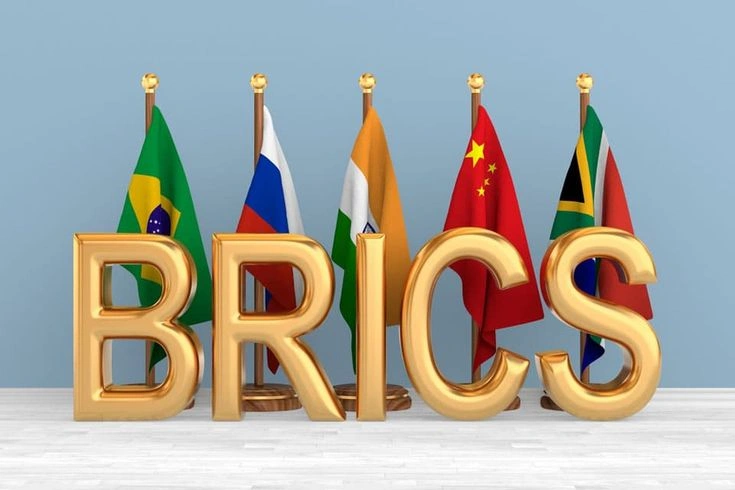
In a city buzzing with diplomatic energy, New Delhi has rolled out the red carpet for a high-stakes BRICS summit that’s drawing eyes from Tehran to Abu Dhabi. As of April 2026, India is at the helm of this gathering, pulling together Brazil, Russia, India, China, South Africa—and now expanded partners like Iran, the United Arab Emirates, Egypt, Ethiopia, and others. It’s not just another talk shop; this meeting comes at a time when old rivalries are thawing, supply chains are fracturing, and the world grapples with everything from energy crunches to trade wars. With Iran and UAE sitting across the table, the stakes feel personal—could this be the moment these neighbors start rewriting their uneasy history?
The summit kicks off amid whispers of breakthroughs. Iran, squeezed by sanctions, eyes new trade routes. The UAE, a gleaming hub of commerce, wants stability in the Gulf. India, playing the neutral big brother, hopes to stitch together economic ties that sidestep Western dominance. What does this mean for everyday folks? Cheaper oil? Smoother shipping lanes? Or just more photo ops? Let’s dig in.
Why BRICS Matters More Than Ever in 2026
BRICS started as a bold idea back in 2009—a club for emerging powers tired of the G7 calling all the shots. Fast forward to today, and it’s morphed into something bigger. The 2024 expansion added heavyweights like Saudi Arabia (though it’s playing coy on full membership), Iran, UAE, alongside Egypt and Ethiopia. India’s hosting this 2026 edition in New Delhi positions it as the steady hand guiding this bloc through choppy waters.
Think about the numbers. BRICS nations now represent over 45% of the world’s population and about 28% of global GDP—numbers that rival the G7. Their New Development Bank has pumped out loans worth billions, funding everything from Brazilian infrastructure to Indian solar farms. But it’s the geopolitics that steal the show. Russia and China push back against U.S. sanctions; India balances ties with the West while courting the Global South. And now, with Iran and UAE in the mix, the summit spotlights the Middle East’s powder keg.
India’s pitch is simple: unity in diversity. Prime Minister Narendra Modi’s government has leaned hard into “multi-alignment,” hosting this event to showcase Delhi as a bridge-builder. The agenda? Trade pacts, digital currencies, green energy, and counter-terrorism. But the real buzz is around de-dollarization—BRICS talk of trading in local currencies has Wall Street nervous.
Iran and UAE: From Foes to Fellow Travelers?
Here’s where it gets juicy. Iran and the UAE have a history longer and bloodier than a Bollywood revenge saga. Proxy wars in Yemen, squabbles over islands in the Gulf, and sanctions that turned neighbors into rivals. Iran calls the UAE an American puppet; Abu Dhabi sees Tehran as the chaos exporter. Yet, lately, they’ve been circling each other with cautious handshakes.
Remember the 2023 China-brokered deal? Iran and Saudi Arabia buried the hatchet, and the UAE watched closely. Trade between Iran and UAE hit $15 billion last year, despite the noise—mostly Iranian oil funneled through Dubai’s ports. Now, at this BRICS table, they’re not just nodding politely. Iranian President Ebrahim Raisi’s delegation is pushing for eased sanctions through BRICS mechanisms. The UAE’s team, under the guidance of its astute economic minister, is pushing for energy corridors across the Gulf, with Iran as a key player.
Several contentious issues are beginning to thaw. Disputes over islands, such as the one concerning Abu Musa, are seeing a temporary truce. Oil smuggling routes are transforming into legitimate trade networks. Furthermore, joint ventures in renewable energy are emerging, with the UAE’s Masdar company exploring Iran’s solar power capabilities.
For India, this is gold. Mumbai’s refineries guzzle Iranian crude; Dubai’s markets are a gateway for Indian exports. If Iran-UAE ties warm, expect cheaper petrochemicals flooding South Asian shelves. But is trust real, or just summit-season politeness? One diplomat quipped off-record: “They’re smiling now, but check back in six months.”
India’s role? Delhi mediated quiet talks last year, leveraging its neutral status. With BRICS, it’s formalizing that. The summit includes side sessions on “Gulf Connectivity,” where Iran proposes a Chabahar-to-Dubai rail link—reviving ancient Silk Road vibes with modern freight.
Economic Power Plays: Trade, Tech, and the Dollar Dodge
Scratch the surface, and this summit is an economic cage match. BRICS trade hit $6 trillion last year, but intra-group flows lag at 20%. India wants that fixed. Proposals on the table include a BRICS payments system to cut SWIFT dependency—Russia’s already using it to evade sanctions.
Iran brings oil and gas; UAE, ports and finance. Together? A dream for India’s “Make in India” push. Imagine UAE tech parks linking with Iranian rare earths for EV batteries. Ethiopia’s lithium mines and Egypt’s Suez Canal add flavor. Brazil’s agribusiness and South Africa’s minerals round it out. Iran exported around $45 billion in oil and petrochemicals to the group last year; UAE handled $120 billion in logistics and gold; India chipped in $200 billion from pharma and IT; while China dominated with $1.2 trillion in electronics.
De-dollarization isn’t hype. Over 60% of China-Russia trade now skips the greenback. Iran-UAE deals in rupees and dirhams are testing grounds. For Indians, this means remittance flows from Gulf workers could get cheaper, faster. Globally, it chips at U.S. financial hegemony—though experts say full ditching the dollar is years away.
India’s betting big on green tech too. The summit launches a $50 billion BRICS climate fund, with UAE pledging desalination tech and Iran hydrogen pilots. Pune’s tech hubs, like your own backyard, could snag contracts for AI-driven water management.
Geopolitical Ripples: India’s Global Strategy
From a distance, India’s hosting of the summit shouts ambition. With the U.S. and China at odds—consider the Taiwan Strait patrols—and Europe’s ongoing struggles with Ukraine, BRICS presents a different option.
India’s “Vishwa Bandhu” (friend to all) doctrine shines here. It sells arms to Armenia, oil to Ukraine’s foes, and hosts Putin despite Western frowns.
For the Middle East duo, BRICS is a lifeline. Iran dodges isolation; UAE diversifies from U.S. bases. But risks lurk. If Israel-Iran flares up, Dubai’s towers could feel the heat. Saudi Arabia’s half-in membership adds intrigue—Riyadh wants influence without full commitment.
India ties it home. Maharashtra’s ports could link to Chabahar, boosting exports to Central Asia. Nationally, it’s jobs: 5 million projected from BRICS-linked manufacturing by 2030, per government estimates. What about you—does cheaper Gulf oil mean lower pump prices next Diwali?
Challenges remain. China’s debt-trap diplomacy casts a long shadow over Africa, and Russia’s war is a stain on its reputation. Still, the summit’s atmosphere is decidedly practical. No sweeping pronouncements, just focused working groups on AI governance and supply chain resilience—crucial in the wake of the 2025 chip shortages.
Voices from the Ground: Indian Perspectives
In the streets of Delhi, opinions are a blend of hope and doubt.
“Don’t care who’s talking, as long as my gas bill goes down,” a cabbie from UP said with a shrug. Meanwhile, tech enthusiasts in Bengaluru are keeping a close watch on the BRICS digital rupee trials, hoping for a new way to handle cross-border payments. Over in Pune, the local business scene is abuzz with talk of UAE investments in electric vehicle startups.
Women’s groups are making a push for gender clauses to be included in trade agreements, looking to the UAE’s female-led companies as examples. And environmentalists? They’re concerned about Iran’s drive for fossil fuels potentially undermining India’s net-zero commitments.
It’s a microcosm: hope laced with hard questions.
Looking Ahead: A New World Order Brewing?
This BRICS summit wraps with a Delhi Declaration—expect pledges on trade corridors, a unified contingency reserve, and Iran-UAE cooperation frameworks. India emerges stronger, its diplomatic muscle flexed.
The real test? Implementation. Will Iran-UAE pilots scale? Can BRICS outpace Western blocs? For now, New Delhi’s gathering proves one thing: the Global South isn’t waiting for invitations anymore. It’s setting the table. As tensions simmer from the Gulf to the Indo-Pacific, these dialogues might just prevent the next crisis—or spark one. Either way, India’s in the driver’s seat, steering toward a multipolar tomorrow.
India Hosts Pivotal BRICS Summit: Iran and UAE Bridge Tensions Amid Global Shifts