
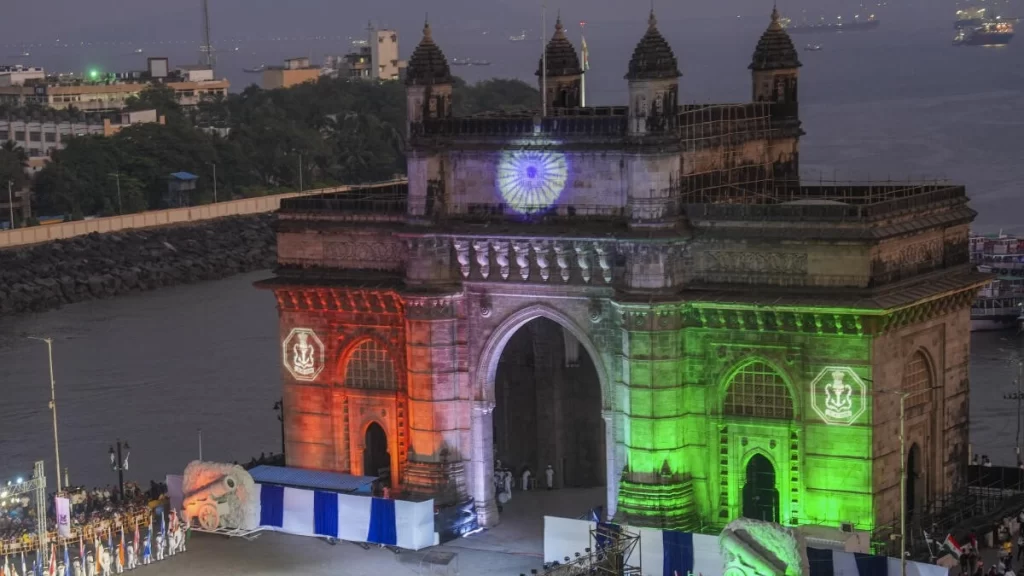
On the 17th anniversary of the 26/11 Mumbai terror attacks, the nation united in solemn remembrance of the 166 people — civilians and security personnel — who lost their lives during the four-day siege that shook India’s commercial capital. Across Mumbai and New Delhi, memorials, floral tributes, and candlelight vigils honored the victims, while political and civic leaders reaffirmed their commitment to combat terrorism with renewed determination.
A Day of Tribute and Reflection
From early morning, ceremonies unfolded at key locations, including the iconic Gateway of India and memorials at police headquarters, drawing families of victims, survivors, citizens, and security forces. In Mumbai, members of the National Security Guard (NSG), police, and local students participated in candlelit marches and a collective pledge under the theme “Neverever” — a commitment to ensuring such horror is never repeated.
In New Delhi, top leaders paid homage, offering heartfelt remarks on the lives lost and emphasizing that India’s fight against terrorism remains unwavering.
Remembering the Tragedy — 2008 in Retrospect
On the night of 26 November 2008, ten terrorists, later identified as members of the banned group Lashkar-e-Taiba, infiltrated Mumbai by sea and unleashed a coordinated assault on the city’s busiest landmarks. Over four harrowing days, they targeted the Taj Mahal Palace Hotel, Chhatrapati Shivaji Maharaj Terminus (CSMT), Nariman House Jewish Centre, and popular public venues including cafés and hospitals. The attacks left 166 dead and hundreds wounded, leaving a deep scar on the nation.
Nine attackers were killed in subsequent security operations; the lone surviving terrorist, Ajmal Kasab, was captured, tried, and executed in 2012. Those who died fighting to save others — including policemen and NSG commandos — are remembered as symbols of bravery and sacrifice.
Calls for Vigilance and Reinforcement of Security
This year’s commemoration carried added resonance amid renewed discussions on national safety and counter-terrorism measures. The NSG’s “Neverever” pledge and public participation reflected a continuing collective vow: to remain vigilant and ensure that the scars of 26/11 are never reopened.
Leaders underscored the government’s zero-tolerance stance on terrorism. Home Minister Amit Shah described the 2008 carnage as a “cowardly attack,” emphasizing that India remains firmly committed to combating terror in all forms.
For many survivors, families of victims, and citizens who lived through that night, the day remains a stark reminder of the fragility of peace and the importance of collective memory. Several public murals, bullet-marked facades at attack sites, and memorial plaques continue to stand across Mumbai, serving as enduring symbols of loss, resilience, and national unity.
Why the 26/11 Anniversary Still Resonates
- Historical significance: 26/11 remains one of the deadliest terror attacks in India’s history, fundamentally altering national consciousness about urban terrorism.
- Human cost and heroism: The loss of lives — civilians and unsung heroes alike — highlighted both cruelty and valor.
- Ongoing lessons: Annual remembrances reinforce the need for robust intelligence, public vigilance, and commemoration to ensure history does not repeat itself.

