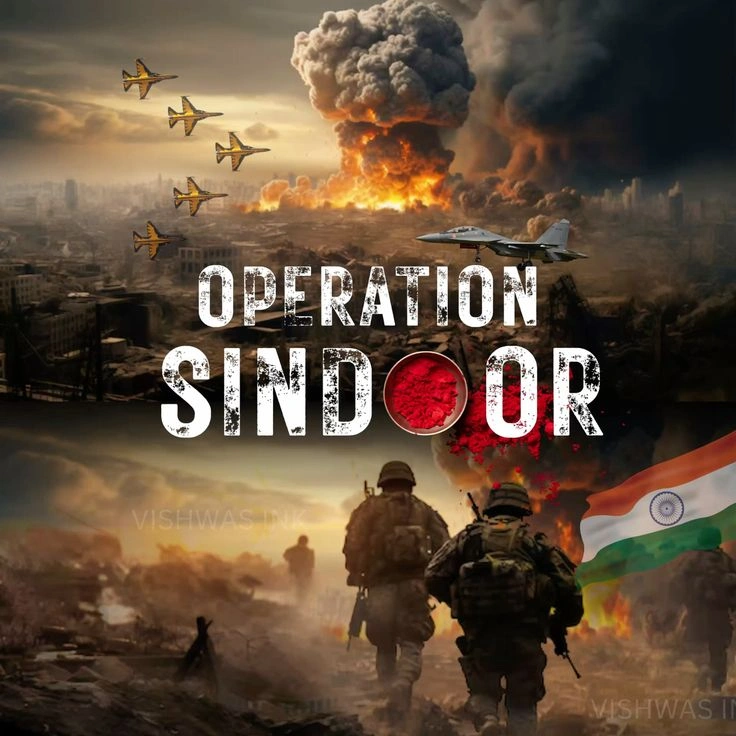
A year after Operation Sindoor’s pinpoint strikes sent shockwaves across the region, India remains steadfast. As fresh concerns rise up along the border, the Ministry of External Affairs has reiterated the nation’s “right to defend” itself against Pakistan-sponsored terrorism.
The Spark: A Bloody Day in Pahalgam
It began in the verdant meadows of Baisaran, near Pahalgam in Jammu & Kashmir. Gunmen from The Resistance Front, broadly recognized as a front for Lashkar-e-Taiba, shot at tourists on April 22, 2025, killing 26, including 25 Indians and one Nepali. Eyewitnesses described the horror: assailants confirming religious identities before pulling triggers, turning a postcard-perfect place into a butcher.
This was not a normal attack. It was the bloodiest against civilians in Kashmir since the abrogation of Article 370 in 2019, taking a toll on tourism, a lifeline for the valley. Families mourned. Rage boiled over. How could paradise turn into a graveyard overnight? India blamed Pakistan saying it was the land of Pakistan which harboured the plotters.
The government wasted no time. The Cabinet Committee on Security, chaired by Prime Minister Narendra Modi, approved a response. Borders got strained, Indus Waters Treaty got stopped and air spaces got shut for each other’s flights. Everything was poised for something spectacular.
Operation Sindoor: For Precision, Not Terror Camps
India retaliated with Operation Sindoor on May 7, 2025 at 1:05 a.m. Missile and air strikes attacked nine terror targets in Pakistan and Pakistan-occupied Kashmir (PoK) associated to Jaish-e-Mohammed (JeM), Lashkar-e-Taiba (LeT) and Hizbul Mujahideen.
Key targets were:
The JeM’s headquarter is at Jamia Masjid Subhan Allah, Bahawalpur.
LeT Markaz-e-Taiba, Muridke.
Sites in districts of Kotli, Muzaffarabad, Bhimber and Sialkot like Shawai Nala camp and Syedna Bilal Mosque.
The Indian Air Force took the lead with Rafale fighters launching SCALP missiles and AASM Hammer bombs, and army artillery firing Excalibur rounds and loitering munitions. Officials insisted there were no military or civilian targets targeted to be hit, only terror infrastructure. The op was completed in 25 minutes and described as “focused, measured and non-escalatory.”
Pakistan screamed foul, saying strikes on mosques and residences killed civilians. They verified six hits, but denied that any militants were there. India revealed satellite photographs of the destruction, saying more than 100 militants had been killed. The result was chaos: the first drone war between nuclear foes, with more than 114 aircraft fighting beyond visible range.
Escalation: Drones, Missiles and Near Misses
Things got hot quickly. Pakistan shells Poonch, other Jammu sites, 11 civilians killed, gurudwara, school damaged. India said S-400 systems have shot down Pakistani drones over Amritsar and Jammu;
By May 8, Turkish Songar and other drone swarms had swarmed boundaries. India responded by hitting Pakistani air defenses in Lahore. On May 10, Pakistan started Operation Bunyan-un-Marsoos against Indian bases such as Pathankot and Udhampur with JF-17 planes and missiles.
India retaliated by hitting PAF bases: Nur Khan, Rafiqui, Murid, Bholari, Sargodha. Crater marks from BrahMos and SCALP missiles on runways and hangars were visible in satellite images. Pakistan shot down five Indian jets including Rafales – India confirmed losses but termed it combat routine. Cyberattacks also raged: Pakistan attacked Indian sites; India hindered defenses.
Casualties were rising. India: 21 civilians, 8 security personnel killed. Pakistan: 40 civilians, 13 military. Nuclear escalation fears hit their highest: strikes close to Pakistan’s nuke HQ at Nur Khan kept the world on tenterhooks. A ceasefire hit on May 10, negotiated by US calls from JD Vance and Marco Rubio, along with others like Saudi Arabia. Flights restarted, hotlines hummed.
One Year On India’s Strong Words
Fast ahead to May 7, 2026. Indian Air Force clips on X: war-room video, aircraft takeoff, strikes on Bahawalpur, Muridke. India never forgets. India forgives nothing. PM Modi changes profile picture, reiterates resolve against terror
MEA spokeswoman Randhir Jaiswal said, “Operation Sindoor is a befitting reprisal to Pakistan-sponsored attacks. We have the right to defend.” Terror camps are not safe havens, Defence Minister Rajnath Singh said. SCO No forgetting the Pahalgam ache.
Pakistan? Defence Minister Khawaja Asif said their “Marka-i-Haq” response was “memorable” and warned of a more aggressive response in future. US research tanks like CFR signal ‘moderate likelihood’ of 2026 violence over Kashmir terror as tensions simmer
Strategic shifts and global implications
Operation Sindoor was a turning point. It was deeper than Balakot 2019, showing India’s will to transgress borders. Rafale rips apart Chinese defenses, S-400s see combat debut. Here, drones changed the face of combat, with hundreds shot down in the first such conflict in South Asia.
For India, pre-empt and punish is now doctrine. Trump claimed credit for the truce worldwide; Rajnath dismissed it as “baseless.” SCO talks: Focus on India pushing against terror abettors
Pahalgam has taken a hit on India tourism, but Kashmir is fighting back. Security was ramped up, but issues remain. Can borders be peaceful?
Implications for India-Pak relations
Relationship? Frosty as usual. The ceasefire holds but clashes continue. Pakistan’s farmers suffer while Indus Treaty is suspended, airspaces flash open-close. Nuclear shadows loom – US apprehensive, rightfully so.
India’s message: No more impunity Pakistan denies supporting terror but UN designations, allegations mount up. It’s personal for Pune folk, for Mumbai commuters: terror hits home, travel ambitions dashed. Zoomed out more? Two titans, nukes in play, need dialogue. But trust? Hardly ever.
India marks Operation Sindoor anniversary, reiterates right to counter Pakistan terror tensions