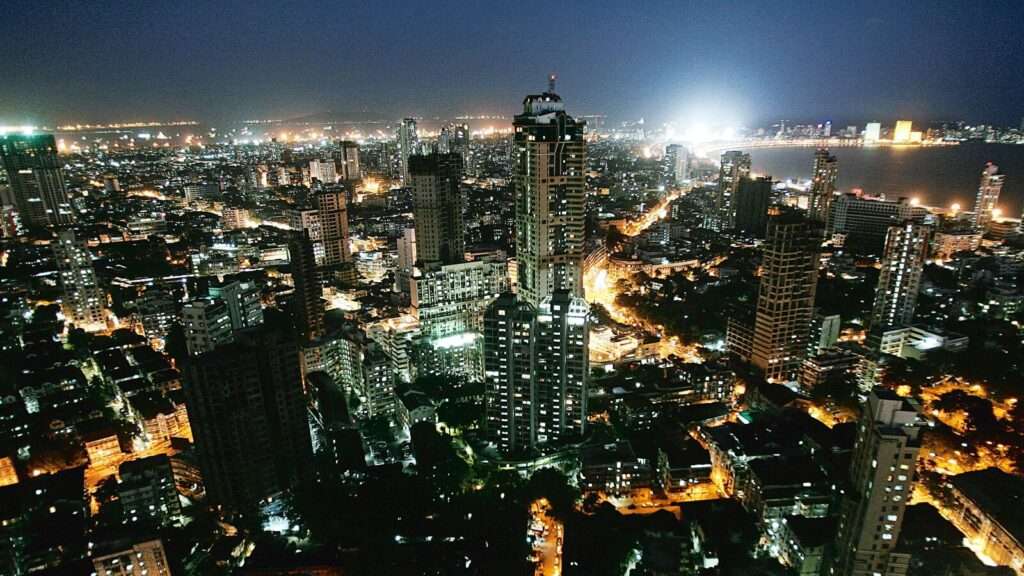
July 22, 2025 — The World Bank has issued a strong advisory urging India to prioritize climate-resilient urban planning, warning that the country is on the brink of a major urban shift. According to the latest report, India’s urban population is projected to rise sharply—from 480 million in 2020 to approximately 951 million by the year 2050.
The report points out that more than half of the infrastructure needed to support this population boom—such as roads, buildings, drainage systems, and public services—has not yet been constructed. This provides a critical opportunity for India to incorporate climate resilience and sustainability into its urban development strategy from the outset.
With cities already facing the effects of environmental stress, including heatwaves, erratic rainfall, water scarcity, flooding, and air pollution, the report emphasizes that without decisive action, these issues will worsen and pose severe risks to economic stability and quality of life.
“This is a defining moment for India’s urban future. The way its cities are developed over the next few decades will determine how well the country can cope with climate-related risks,” the report said.
To navigate this challenge, the World Bank recommends a strategic framework based on three key pillars:
- Resilient Infrastructure Development: Creating urban systems designed to handle extreme weather events and environmental shocks, while reducing carbon emissions.
- Institutional Capacity Building: Empowering local governments with the tools and knowledge to plan, fund, and manage sustainable urban projects.
- Private Sector and Innovation Engagement: Encouraging partnerships and leveraging clean technology to drive environmentally responsible urbanization.
The report also highlights the massive financial requirements involved in this transition. Given the scale of anticipated urban expansion, India will need to mobilize significant resources—both domestic and international—to bridge the investment gap. Enhancing access to climate finance mechanisms, such as green bonds and global funding platforms, will be crucial.
Examples of localized climate-responsive actions are already emerging in Indian cities. Measures like Ahmedabad’s urban heat mitigation programs, Surat’s flood management strategies, and Pune’s efforts in improving public transport were noted as positive steps toward urban resilience.
As India prepares for a future with one of the largest urban populations in the world, the World Bank’s report reinforces the urgent need to build cities that are not just larger, but smarter and more sustainable. The next 25 years, it warns, will be instrumental in shaping the nation’s urban and environmental legacy.