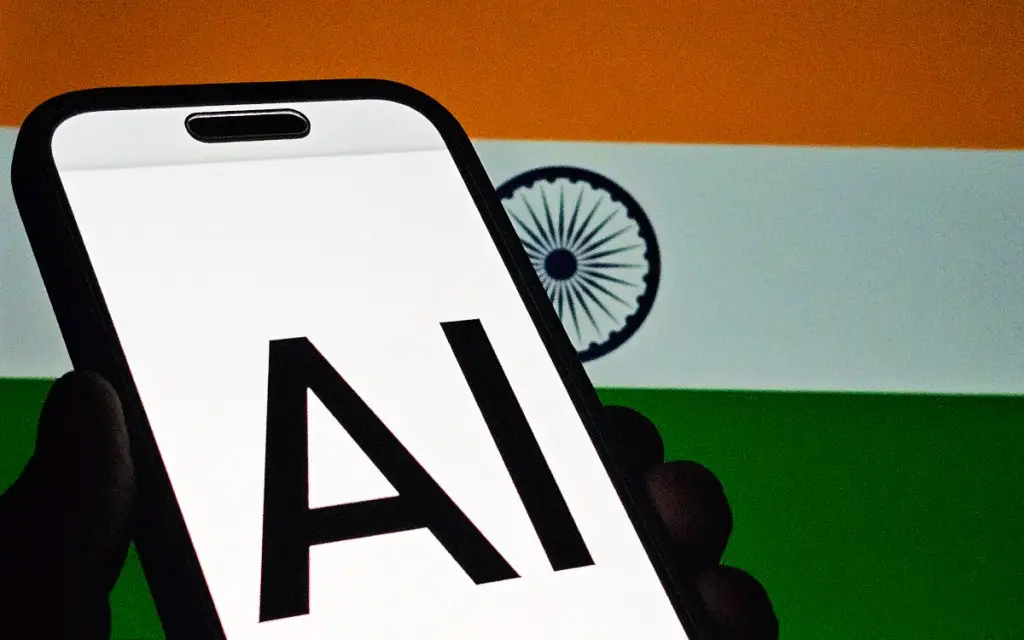
In a significant move signaling India’s intent to shape the future of generative artificial intelligence (AI), a government-appointed committee has recommended that AI developers pay royalties for using copyrighted content in training their models. The proposal, advocating a “mandatory blanket licence,” could fundamentally alter how companies access and utilise text, music, images, and video sourced from Indian creators.
The rapid success of generative AI platforms has sparked global debate about the legality and ethics of training such systems on copyrighted works. In India’s latest attempt to reconcile innovation with intellectual property rights, the Department for Promotion of Industry and Internal Trade (DPIIT)-constituted committee has proposed a royalty-based licensing model that would require AI firms to compensate creators for using their works — even without explicit permission for each piece.
This regulatory proposal, titled “One Nation, One Licence, One Payment,” aims to bring clarity and fairness to a landscape muddied by legal uncertainty and conflicting practices.
What the Proposal Envisions
Blanket Licence and Centralised Royalty Collection
Under the recommended framework, any legally accessed copyrighted content — including books, news articles, music, videos, and artwork — can be used by AI developers for model training without negotiating separate licences with each rights-holder. Instead, AI firms would pay royalties into a centralised, government-designated body, tentatively named the Copyright Royalties Collective for AI Training (CRCAT), which would handle royalty collection and distribution to creators.
Royalties Only After Commercialisation
The payment obligation triggers only when the AI system is commercially launched, not at the data-ingestion stage. This “train now, pay later” structure aims to ease the burden on developers, especially startups and smaller firms, while ensuring creators are ultimately compensated.
Rate Setting and Retroactive Liability
A government-appointed rate-setting committee — consisting of legal, technical, and economic experts, along with representatives of rights-holders and AI developers — would determine royalty rates, likely as a flat percentage of gross revenue generated by the AI product. These rates would be reviewed every three years and remain subject to judicial review.
The proposal also suggests that the royalty obligation could apply retroactively, meaning AI firms that have already used copyrighted data to train commercially successful models may be required to pay for past usage.
Inclusivity for All Creators
The system is designed to extend beyond formal copyright societies: even independent artists, authors, musicians, and creators from informal or unorganised sectors can register their works with the central collective and receive royalties, broadening the reach of compensation beyond established copyright bodies.
Implications for Innovation and Rights
Proponents argue that the plan strikes a balance between fostering AI innovation and protecting the livelihoods of content creators. By offering a “single-window” licence and central royalty mechanism, it reduces transaction costs, lowers litigation risk, and creates a level playing field for both large firms and smaller AI developers.
Critics, however, caution that retroactive liability and mandatory payments could slow down AI research and investment, particularly for startups with limited resources. The success of the model will depend on careful implementation, transparent rate-setting, and efficient royalty distribution.