
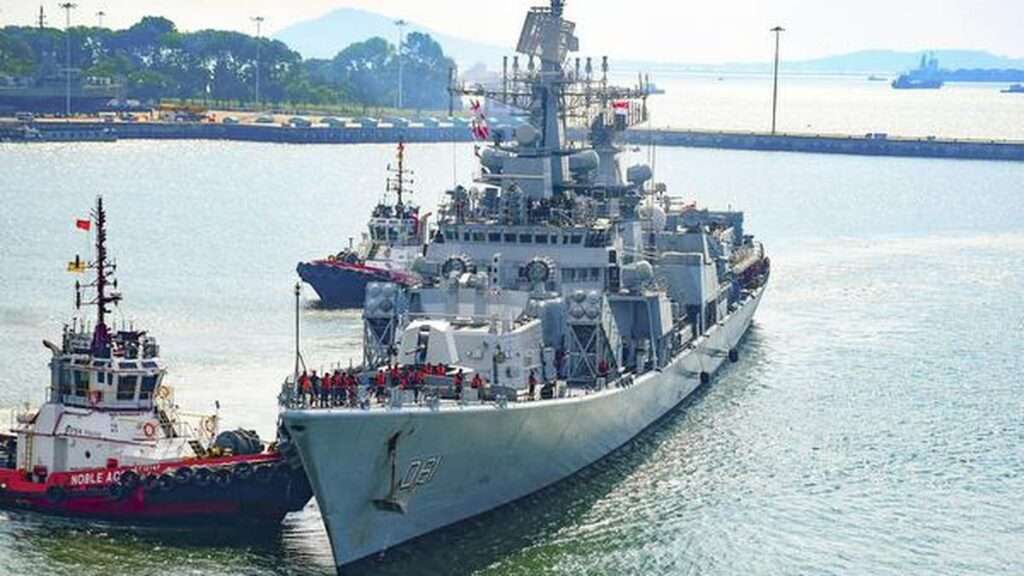
India is intensifying its focus on maritime self-reliance, with the Indian Navy confirming that 54 warships and submarines are currently under construction at Indian shipyards. This initiative represents one of the largest indigenous shipbuilding drives in the country’s history and stands as a cornerstone of the government’s Atmanirbhar Bharat (self-reliant India) policy.
The expansion underscores India’s determination to strengthen its naval capabilities amid shifting regional security dynamics and increasing maritime challenges in the Indo-Pacific. By constructing warships domestically, India not only reduces dependence on foreign suppliers but also enhances its technological expertise, industrial base, and defense infrastructure.
According to defense officials, the vessels under construction include next-generation destroyers, stealth frigates, corvettes, and submarines, all tailored to meet the evolving demands of modern warfare. These projects are spread across both public and private shipyards, highlighting the growing role of India’s defense industry in delivering advanced platforms. With this move, the Navy aims to build a combat-ready fleet that can safeguard national interests, protect sea lanes, and respond swiftly to emerging threats.
Experts view this initiative as crucial for India’s long-term maritime strategy. The Indian Ocean remains a vital corridor for global trade and energy flows, making naval dominance a strategic priority. China’s growing naval footprint in the region, particularly through its bases and partnerships, has further accelerated India’s efforts to modernize its fleet. By investing in indigenous shipbuilding, New Delhi is signaling its readiness to counterbalance these developments while simultaneously promoting economic growth through defense manufacturing.
The domestic shipbuilding push also provides significant benefits to the Indian economy. Beyond bolstering defense preparedness, the program creates jobs, fosters innovation, and supports ancillary industries such as steel, electronics, and engineering. Analysts note that the initiative is not limited to traditional combat vessels but also includes advanced support ships, survey vessels, and logistics platforms, enabling the Navy to operate more effectively across a wider spectrum of missions.
Officials emphasize that indigenization remains at the heart of the program. Many of the ships are being equipped with homegrown weapons, sensors, and communication systems developed in partnership with Indian defense firms and research agencies. This aligns with the government’s broader vision of reducing reliance on imports and establishing India as a global defense exporter in the coming decades.
As the Navy continues to expand and modernize its fleet, the success of this shipbuilding program will play a decisive role in shaping India’s maritime future. With 54 vessels under construction, India is taking a major step toward realizing its ambition of becoming a leading naval power, firmly rooted in self-reliance and innovation.

