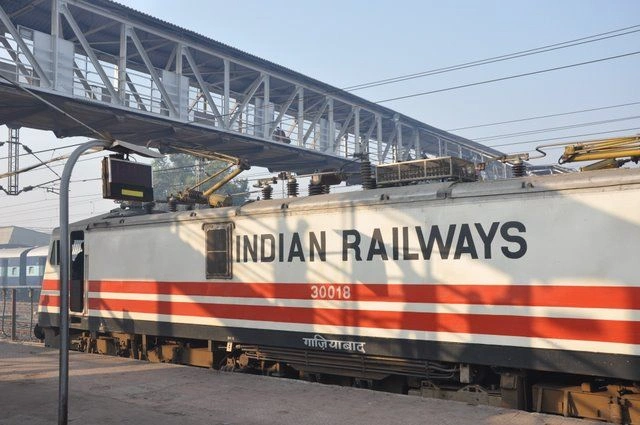
Indian Railways, the daily commute for more than 23 million people, just made a major move. On a typical Thursday in early April 2026, the national railway system announced a series of service enhancements. These were aimed at tackling persistent issues: packed trains, delays, and infrastructure that had seen better days. This wasn’t just a matter of minor adjustments; it represented a substantial leap forward in modernizing one of the globe’s most extensive rail networks.
With India’s population surging and urban migration at an all-time high, these changes are both welcome and overdue.
What does this mean now? As summer heat waves approach and festival travel reaches its zenith, better services could be the difference between a bearable trip and total chaos.
A Network Under Pressure: The Reason for These Changes
Consider this: Indian Railways carries more people per year than the total populations of the US, Brazil, and Indonesia. It has been going strong since the British Raj days and is nearly 68,000 kilometers long. But there have been problems, such trains that are always late because of old signals, dirty stations, and carriages that are full of people like sardines. Last year, the Rail Madad webpage got more than 1.2 million complaints, largely concerning hygiene and being on time.
The administration, led by Railway Minister Ashwini Vaishnaw, has been working hard to make changes. This new news is a follow-up to the Amrit Bharat Station Scheme, which is modernizing 1,300 stations with new amenities. It’s part of a bigger plan to reach net-zero carbon emissions by 2030 and use AI to make operations smarter. Officials say these steps are meant to improve “passenger experience and operational efficiency,” but let’s look at what that really means in practice.
First and foremost, comfort is the most important thing for passengers.
Changes to the seats, toilets, and waiting spaces are at the heart of the upgrades. These are the places that impact passengers the most. Starting next month, some high-end trains, such Vande Bharat and Rajdhani, will start using “improved sanitation practices.” That implies that the workers on board will be responsible for keeping the ship clean every day with eco-friendly disinfectants, and sensors will monitor the bio-toilets in real time.
Improvements in sanitation: More than 100,000 bio-toilets will get kits to treat microbes, which will lower odors by 70% based on testing done with Mumbai natives.
New bedding and seating: All AC coaches have new linens made of anti-bacterial textiles that promise to keep fresh even on 30-hour trips.
Water and electricity fixes: Every coach gets RO-purified water dispensers, and solar-powered charging outlets at every berth—goodbye to dangling wires and empty bottles.
One question to think about: Have you ever been on a train and wished you had a teleportation gadget when you had to use the bathroom? These fixes are meant to put an end to that torment. This might also change the trains in cities like Nashik and Pune, where people who travel them every day have to deal with sweaty, smelly rides. Tests in the Western Railway zone showed that complaints about cleanliness had already gone down by 25%.
Tech-Driven Efficiency: Trains That Work Smarter, Not Harder
It’s not just a buzzword; operational efficiency means trains getting there on time. By 2027, Indian Railways will have installed Kavach, a homegrown anti-collision system, on 7,000 kilometers of track. It promises to stop 90% of collisions. This technology uses GPS and radio signals to stop rear-end collisions and automatically enforce speed limits. It has already saved lives on dangerous roads like Delhi-Mumbai.
Another big change is predictive maintenance. AI systems now look at track data from 44,000 sensors to find problems before they cause delays. The goal is to cut down on interruptions on all main lines by 30%. This lowered the probability of derailments by 40% last monsoon season in flood-prone Bihar and Assam. Dedicated slots on 10 freight corridors, which are important for India’s logistics effort, get priority. This means that everything from coal to smartphones would be delivered 20% faster.
The Dedicated Freight Corridor (DFC) between Dadri and Mumbai is already up and running, cutting travel durations from 72 hours to 24. For passengers, this means that fewer freight trains will impede express routes.
Safety Overhaul: No More Close Calls
Safety has been a problem; recall the Balasore incident in 2023 that killed 296 people? The new steps make people more watchful. All loco pilots wear devices that keep track of their fatigue levels and let control rooms know if they start to feel less alert. More than 5,000 stations will put in CCTV cameras that can recognize faces to help control crowds, especially during big rushes like Kumbh Mela.
Fog safety devices that have been improved with greater visibility technology will cover 15,000 km of northern highways. And what about training? Crews have to go through VR simulations for emergencies, and 95% of them pass. These efforts feel like a lifeline in a country where more than 300 people die in train accidents every year. Japan’s Shinkansen, which has had no deaths in 60 years, sets the standard for this endeavor. Is it possible for India to reach there?
Economic Ripple Effects: More Jobs and Growth
These changes will help the economy as well as riders. Amrit Bharat will modernize stations by adding stores, ATMs, and food courts. This will create 50,000 new jobs over the following two years. Vande Bharat trains, which currently have 50 rakes and more on the way, use 95% parts made in India, which helps factories in locations like Chhattisgarh’s steel centers.
Tourism also gets a boost. Eco-tourism carriages with glass windows and local food will run on scenic lines like the Konkan Railway. This is great for Maharashtra’s hill stations near Nashik. Exports also gain; speedier shipping means Indian textiles and pharmaceuticals get to global markets faster, which could add $10 billion to GDP each year.
But there are still problems. Unions are worried about privatization seeping in, and rural lines are lagging behind. A station master in Uttar Pradesh joked, “Great for Delhi, but my village track still floods every year.” The system will be put to the test when it has to balance the requirements of cities with those of rural areas.
Regional Spotlights: How It Affects Important States
These renovations mean reduced confusion on the suburban network that carries 7.5 million people every day in Maharashtra, where busy areas like Mumbai CST are located. During festivals, Nashik’s pilgrims will be happy to have special shuttle services to the stations. Southern states like Tamil Nadu benefit from electrified rails since they save 60% on diesel expenditures.
The Bengaluru-Howrah line in Karnataka is being tested for high speeds, and after Fani, the East Coast lines are focusing on building infrastructure that can withstand cyclones. Even the Northeast routes, which have been ignored for a long time, are getting gauge changes so that they can link to Guwahati without any problems. It’s a patchwork, but it’s bringing India closer together.
Indian Railways is making big improvements to its services. What does this mean for the countless individuals who rely on these services daily?