Indian equity benchmarks slipped into negative territory on Wednesday, extending a cautious start to the year as a combination of global geopolitical anxieties and renewed threats of US tariffs weighed on investor sentiment. The Nifty 50 hovered near 26,070, while the BSE Sensex settled around 84,700, marking a third consecutive session of declines in a market that has battled heightened volatility and persistent foreign selling pressure.
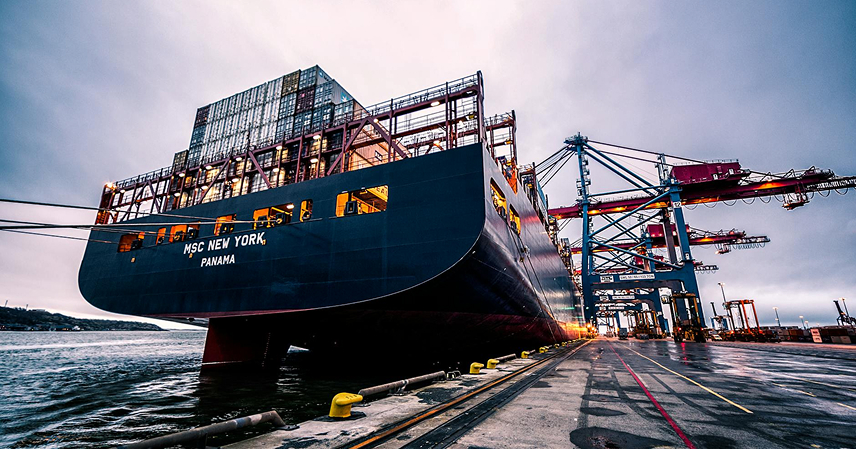
Investor risk appetite appeared muted in early trade as geopolitical tensions — particularly concerns tied to supply disruptions and broader global instability — continued to overshadow positive corporate earnings cues. Renewed warnings from US policymakers about potential tariff hikes on Indian goods further dampened sentiment, prompting profit-taking in heavyweights and a rise in cautious positioning across sectors.
Key Market Movers & Sector Dynamics
The market breadth tilted bearish with several major sectors under pressure:
- Financials and Industrial Stocks — HDFC Bank and Bajaj Finance were among the notable laggards, dragged lower as investors reduced exposure to traditional cyclical plays.
- Automobiles — Tata Motors and Maruti Suzuki saw notable sell-offs, reflecting wider risk aversion within visible growth segments.
- IT & Technology — While some technology stocks traded higher, the broader IT index remained subdued amid concerns about slowing global demand in key export markets.
- Selective Gainers — Titan, Infosys, and HCL Technologies bucked the trend with sector-specific strength, underscoring market selectivity rather than broad-based selling.
Market Snapshot: Indices at Midday
| Index | Approx. Level (Jan 7, 2026) | Daily Trend |
|---|---|---|
| Nifty 50 | ~26,070 | ▼ Lower third session |
| BSE Sensex | ~84,700 | ▼ Declines continue |
| Midcap & Smallcap | Mixed | Sector‑specific swings |
Crucial Drivers Behind the Pullback
Analysts highlighted several interlinked factors contributing to the market’s tepid performance:
1. Renewed US Tariff Concerns
The specter of escalated tariff threats from the United States emerged as a dominant headwind. Comments from US officials over potential tariff hikes on Indian exports — particularly linked to geopolitical disputes — triggered risk-off positioning among foreign portfolio investors.
Foreign institutional investors (FIIs) continued to trim equity holdings, adding to the selling pressure despite occasional domestic buying support from institutional investors.
2. Geopolitical Uncertainty
Heightened geopolitical volatility — especially in global energy markets and supply lines — weighed on trading dynamics. This uncertainty pushed many traders toward safer asset classes, squeezing liquidity and heightening intraday swings.
3. Profit-Taking After 2025 Rallies
Technical analysts noted that the major indices had climbed sharply through late 2025, a momentum that invited profit-booking as early 2026 trading began. This rebalancing was compounded by overbought indicators and valuation cautions.
Broader Market Outlook
Despite the near-term weakness, some market watchers view the pullback as a consolidation phase within a broader uptrend supported by strong domestic economic indicators and corporate earnings momentum. However, they caution that tariff policies and geopolitical developments will remain key catalysts shaping equity flows in the coming weeks.
Market sentiment hinges on several evolving factors:
- Progress in global trade negotiations and tariff resolutions
- Stability in crude oil and currency dynamics
- Earnings announcements from major index constituents
Investors are advised to monitor these variables closely as they reassess risk thresholds amid ongoing global uncertainty.
This report reflects trading conditions on January 7, 2026.