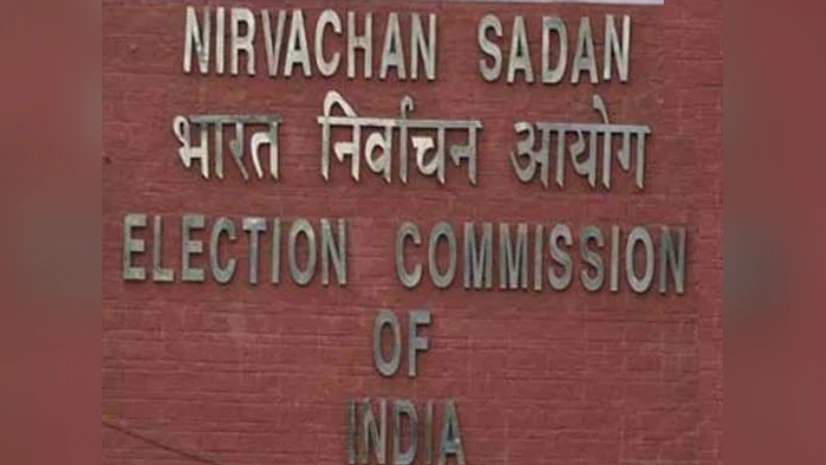
August 18, 2025 — A heated debate has erupted in India over the neutrality and impartiality of the Election Commission of India (ECI), with opposition parties, particularly the Indian National Congress and its allies, raising serious concerns.
The controversy intensified after the ECI recently announced the deletion of around 6.5 million voters from Bihar’s electoral rolls, while adding over 10 million new voters in Maharashtra. Opposition leaders allege these actions indicate potential bias favoring the ruling Bharatiya Janata Party (BJP).
Congress leader Rahul Gandhi has been particularly vocal, accusing the ECI of facilitating “vote theft” and citing a 2023 law that shields election commissioners from legal action as enabling such misconduct. The INDIA alliance has demanded the immediate dissolution of the current Lok Sabha, warning of a possible boycott of upcoming elections unless the ECI reassures the public of the integrity of the voter rolls.
Former Rajasthan Chief Minister Ashok Gehlot also questioned the ECI’s impartiality, pointing to the inclusion of a Union Minister in the selection committee for the Chief Election Commissioner as compromising neutrality.
In response, the ECI defended its actions, stating that revisions to electoral rolls are routine procedures aimed at maintaining accuracy and fairness. However, the opposition remains unconvinced, arguing that the timing and scale of these revisions appear politically motivated.
This controversy has sparked a broader discussion on the independence of constitutional bodies in India, with critics warning that any erosion of institutional impartiality could threaten the democratic fabric of the nation. The outcome of this debate could have lasting implications for the credibility of India’s electoral system.
As the situation unfolds, attention remains focused on the Election Commission to address these allegations and restore public confidence in free and fair elections.