July 19,2025: Electric vehicle (EV) sales in India are projected to exceed 7% of total vehicle sales by the financial year 2027-28 (FY28), according to a report released by CareEdge Advisory. The growth forecast is contingent on the timely resolution of rare earth element supply disruptions and the continued launch of new EV models across categories.
The report noted that India’s EV penetration stood at around 2.5% in FY24. With a combination of government incentives, growing environmental consciousness, and advancements in technology, this number is expected to nearly triple in the next four years.
CareEdge pointed to supportive policy frameworks as a key enabler of growth. Initiatives such as the FAME-II (Faster Adoption and Manufacturing of Hybrid and Electric Vehicles) scheme, the Production Linked Incentive (PLI) programme, and various state-level EV policies have played a pivotal role in driving demand. These policies offer subsidies, tax exemptions, and infrastructure support, thereby making EVs more accessible to consumers.
However, the report cautioned that disruptions in the global supply of rare earth elements—such as lithium, cobalt, and nickel—could hinder the pace of growth. These elements are essential for EV battery manufacturing, and ongoing geopolitical tensions and limited domestic reserves have raised concerns over sourcing reliability.
“India’s EV ecosystem is at a crucial inflection point,” the report stated. “While demand-side factors are favourable, securing a stable supply chain and encouraging continued innovation will be vital to sustaining momentum.”
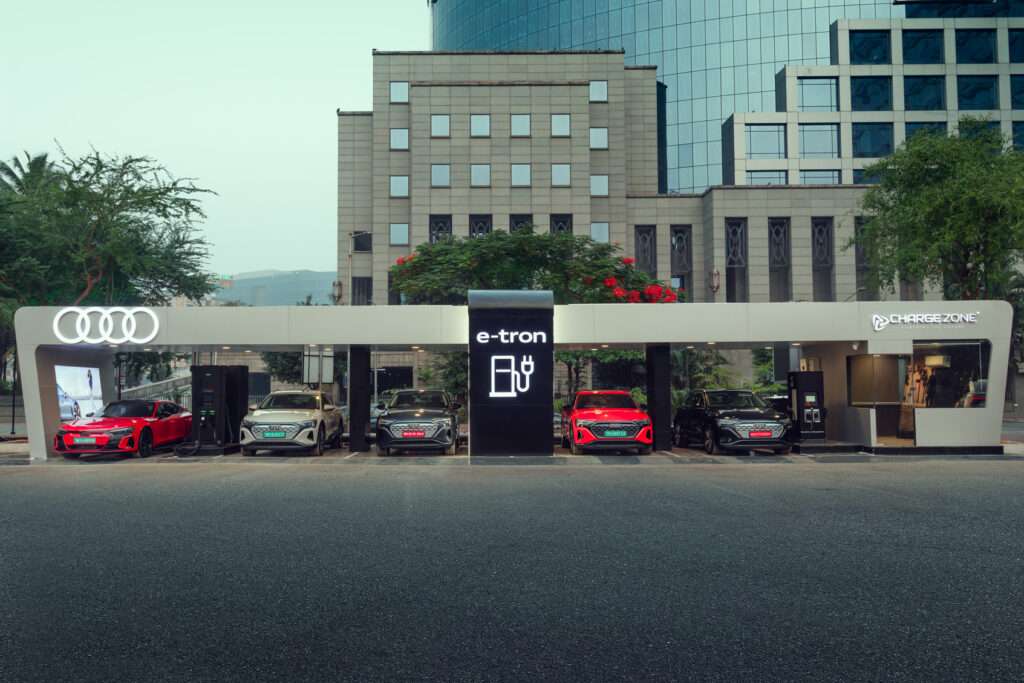
The report emphasized the need for automakers to consistently introduce new models, especially in the two-wheeler and three-wheeler segments, which dominate the Indian EV market. Additionally, expanding the charging infrastructure, improving battery-swapping options, and building strong after-sales support systems will be essential to boost consumer confidence.
CareEdge also highlighted the importance of collaboration between OEMs and ecosystem players, including charging solution providers and energy companies, to ensure a seamless transition toward electrification.
With the government aiming for a cleaner and more sustainable transport system, the growth of EVs is seen as a critical component of India’s decarbonization goals. If the projected targets are met, EVs could become a significant share of India’s mobility landscape by the end of this decade.