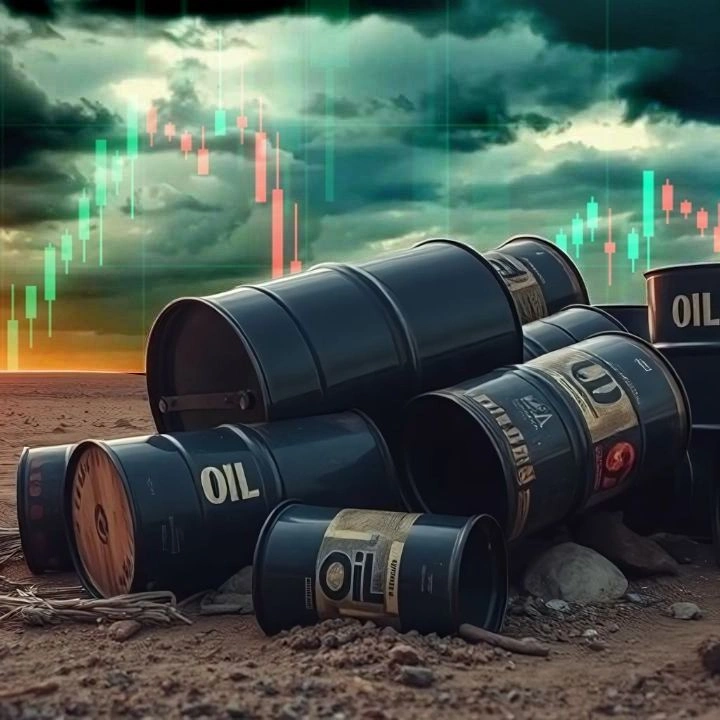
Cheap energy keeps India’s economy going, yet much of that energy comes from oil that India buys from other countries. The country’s overwhelming reliance on foreign barrels is becoming a ticking time bomb as oil prices go up and down and supply routes are always at risk. Just look at the last year: geopolitical tensions, OPEC+ cutting production, and even bad weather have all caused pump prices to rise, hurting both households and companies. India’s growth story is fueled by more and more oil, which is increasing the hazards. Is this dependence killing the country’s future, or can smarter choices end the cycle?
How Much Oil India Needs
India isn’t just buying oil; it’s addicted to it. Last year, the country imported a shocking 88.6% of its crude oil needs, which came to more than 232 million tonnes. That’s up from 85% ten years ago, because to rising demand from automobiles, trucks, factories, and even planes. The petroleum ministry’s statistics shows that daily use has reached 5.5 million barrels, and refineries are working around the clock to keep up.
This is especially obvious in urban India. In cities like Mumbai and Delhi, where traffic is often bad, families have to spend a lot of money on gas. A typical Delhi cab driver can spend 40% of their wages on diesel, which means that every rupee they make disappears at the pump. Farmers in rural areas also depend on diesel for their tractors and irrigation pumps. Any rise in price affects the cost of crops.
Why the rise? Last year, India’s GDP grew by 8.2%, which brought in more cars and businesses. There are more electric vehicles on the road, but they are still a small part of the market—only 2% of auto sales were EVs. The International Energy Agency says that oil demand might reach 11 million barrels a day by 2040, especially in developing countries like India.
Global Supply Problems: A Sword Over India
You can’t just turn on a tap and get oil. It can be hurt by anything from hurricanes to warfare. For example, the Red Sea situation earlier this year prompted ships to go across Africa because of Houthi attacks, which added weeks and costs to their trips. India gets 60% of its oil from the Middle East, and shipping costs went up by 300%. That meant an extra $2 to $3 a barrel, which hurt refiners like Reliance and Indian Oil.
OPEC+ is also very important. Prices stay high since the cartel has restricted production by 2.2 million barrels per day since late 2022. Saudi Arabia and Russia, two of India’s most important suppliers, have cut back on exports to focus on their own needs or strategic reserves. When Russia was punished for its actions in Ukraine, its cheap Urals oil became a great deal for Indian refiners, who bought up to 40% of its imports at times. But that’s a risk; what if those flows stop?
There are also things that are out of your control, like the weather. Hurricanes in the Gulf of Mexico or floods in Libya can cut off 5–10% of the world’s supply in a single night. India learnt this the hard way in 2023 when a cyclone stopped shipments from the UAE, which led to a brief panic-buying binge. These kinds of problems happen all the time. The IEA says that supply shocks have happened every few years since 2010.
These things are bad news for a country like India, which only has enough strategic reserves to cover 10 days of imports. What will happen when the next major one hits? Will prices go up again, like they did after the Ukraine invasion?
Inflation Pressures: From Pumps to Plates
Oil is more than simply fuel; it’s what holds everything together. Economists say that a 10% jump in crude oil prices can raise India’s wholesale inflation by 0.3% to 0.5%. Retail inflation comes next, but it often takes a while. Do you remember 2022? Brent crude oil cost more than $120 a barrel, and India’s CPI inflation rate went above 7%, which made it harder to buy things.
Transportation takes the brunt—trucking 70% of goods means increasing diesel costs pump up prices for veggies, grains, everything. A trucker who drives potatoes from Nashik to Mumbai now pays 20% more for gas than he did two years ago, and he passes that cost on to customers. Fertilizers and insecticides, which come from oil, raise the cost of farming. This is one reason why wheat prices went up 15% last season.
It hurts manufacturing too. Chemicals, paints, and plastics are all petrochemicals. Textile hubs in Tirupur said that the cost of synthetic fibers has gone up by 8 to 10%. Even services like flying have higher prices. IndiGo raised ticket prices by 5% after fuel surcharges went up.
The government comes in with subsidies and ad valorem tariffs to keep prices low, but this is only a temporary fix. Last year, the oil ministry spent ₹30,000 crore on things that didn’t work out. That takes money away from schools, roads, and health. When gas prices reach ₹100 a liter, middle-class families cut back on outings and electronics. Sound familiar?
Main Ways Oil Prices Affect Inflation:
Fuel: Prices at the pump go up by 20–30% right away.
Food: 5–15% comes from transportation and agricultural inputs.
Manufacturing: 10% rise in the cost of plastics and chemicals.
Overall CPI: 0.4% for every $10/barrel rise.
India’s import bill: a money-draining monster
The numbers are shocking.
That’s around 20% of all imports, which is a lot more than electronics or gold. The trade gap grew to $240 billion, which put pressure on the rupee. Last year alone, it lost 5% of its value against the dollar.
While remittances and IT exports provide some relief, reliance on oil exports depletes foreign exchange reserves.
The Reserve Bank of India intervenes to maintain currency stability, occasionally deploying as much as $30 billion from its reserves during periods of significant market turbulence.
This is a drag for an economy that wants to reach a GDP of $5 trillion by 2027. Every dollar spent on crude oil from Saudi Arabia or Iraq is one fewer dollar that can be used for domestic investment.
Maharashtra and Gujarat suffer the brunt of the problem. Pune’s car industry uses a lot of diesel for manufacturing, while Jamnagar’s refineries process half of the country’s imports. A lack of supplies here means factories have to close and people lose their jobs. Countries like the US have cut back on imports through fracking, while China is stockpiling aggressively. India? Still trying to catch up.
What the government can and can’t do
Delhi isn’t just sitting around. Last year, the ethanol blending program reached 12%, which meant adding biofuel to gasoline to minimize the demand for imports by 5 million tons a year. It’s a start—sugarcane farmers are happy about the extra money—but ethanol can’t take the place of diesel, which represents 40% of demand.
Strategic reserves are growing; two underground facilities in Odisha and Padur now hold 5.3 million tonnes, which is enough for 15 days. Green hydrogen pilots and solar power will make up 40% of electricity by 2030, but oil’s transport lock-in will stay in place.
Tax benefits are available for biofuels and electric vehicles. The FAME-III plan puts ₹10,000 crore into charging infrastructure. Tata and Ola are expanding up the production of electric vehicles (EVs) with the goal of capturing 30% of the market by 2030. But experts at NITI Aayog say that vulnerability will stay until there are big improvements to refining or deals made throughout the world.
Critics say that changing policies, such cutting taxes one month and raising them the next, makes things unclear. Can India make long-term deals with Russia or the US to make sure it has enough supplies?
India’s Oil Addiction: How a Growing Dependence Makes the Country More Susceptible to Global Shocks and Everyday Inflation