
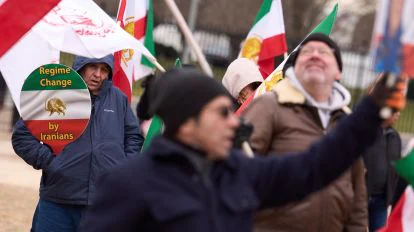
Iran is facing a fresh wave of nationwide anti-government protests as public anger over a sharp currency collapse and runaway inflation spilled into the streets for a fifth consecutive day on January 2. Demonstrations have been reported across multiple provinces, with at least seven people confirmed killed during violent clashes between protesters and security forces, underscoring the growing intensity of the unrest.
The protests, which began as spontaneous gatherings over rising prices and declining living standards, have rapidly evolved into broader expressions of political and economic discontent. The Iranian rial has plunged to record lows in recent weeks, dramatically eroding household purchasing power and deepening frustration among citizens already struggling with years of economic hardship.
Economic Crisis at the Core
At the heart of the unrest lies Iran’s worsening economic crisis. A combination of severe inflation, currency devaluation, unemployment, and declining real wages has pushed many families to the brink. Basic goods, including food and fuel, have seen sharp price increases, while savings have lost value almost overnight.
Key economic stressors driving the protests include:
- Severe currency collapse, with the rial losing significant value against major foreign currencies
- Soaring inflation, particularly in food and essential commodities
- Rising unemployment, especially among young people
- Erosion of middle-class incomes, fueling widespread financial insecurity
Protesters in several cities were seen chanting slogans condemning economic mismanagement and demanding accountability from political leaders. What initially appeared as economically driven demonstrations has increasingly taken on an anti-government tone, reflecting deeper dissatisfaction with governance and policy direction.
Security Response and Casualties
Iranian authorities have responded with a heavy security presence, deploying riot police and security forces to contain the demonstrations. According to official confirmations, at least seven people have been killed during confrontations, while dozens more have reportedly been injured or detained. Human rights concerns are mounting as videos circulating on social media appear to show forceful dispersal tactics.
Government officials have described the protests as “illegal gatherings” and blamed foreign interference for fueling unrest, a narrative frequently used during previous waves of demonstrations. However, analysts note that the scale and persistence of the current protests suggest deep-rooted domestic grievances rather than isolated incidents.
A Pattern of Recurrent Unrest
Iran has witnessed repeated protest movements in recent years, often triggered by economic shocks such as fuel price hikes or subsidy cuts. The current protests stand out due to their geographic spread and the speed with which economic frustration has translated into open political dissent.
Observers say the prolonged nature of the demonstrations signals a critical moment for the Iranian leadership, as public patience wears thin amid limited economic relief and continued inflationary pressures.
Outlook and Implications
As protests enter their fifth day, the situation remains volatile. The government faces a delicate balancing act between restoring order and addressing the underlying economic issues that ignited the unrest. Without meaningful measures to stabilize the currency and control inflation, analysts warn that public anger may continue to intensify.
The unfolding crisis highlights the broader challenges confronting Iran’s economy and political system. How authorities respond in the coming days could shape not only the immediate trajectory of the protests but also the country’s social and economic stability in the months ahead.

