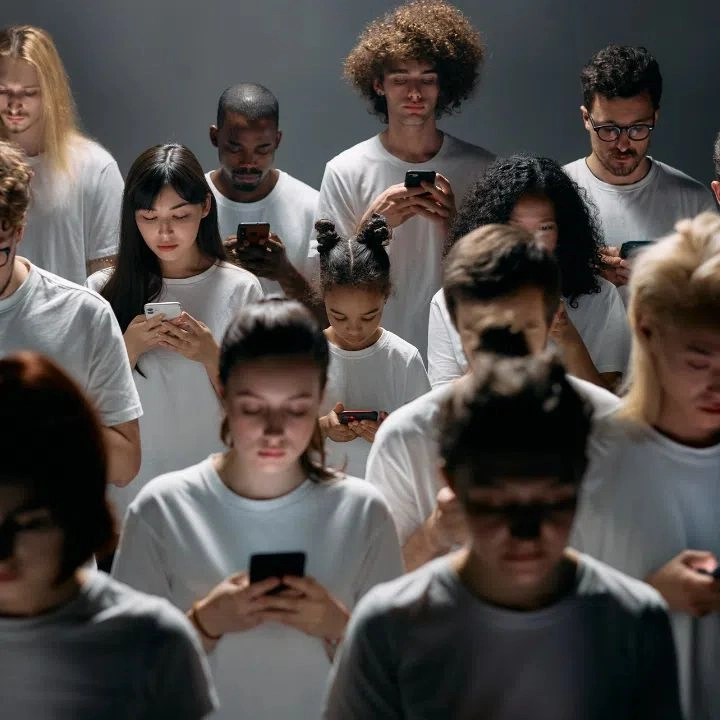
Smartphones are become an important part of our daily lives, but recent reports regarding broad surveillance capabilities makes us concerned about our privacy. New laws about technology came out a few weeks ago. They say that the microphones on devices might be secretly capturing talks without the user knowing.
The Scandal Begins
A whistleblower took information from a well-known Silicon Valley company in early February 2026. This is where it all started.These papers showed that Android and iOS, two of the most popular smartphone operating systems, have microphones that are always on to “improve user experience.”People say that these systems, which are billed as voice assistants like Siri and Google Assistant, can turn on without warning and record brief pieces of background noise to train AI models and make ads more relevant to consumers. Privacy advocates labeled this “the listening breach” and said it defies basic rules for protecting data.
I don’t just think this. Internal records, which have been corroborated by outside cybersecurity assessments, show that audio data is first processed on the device and then transferred to cloud servers for analysis. The ramifications are huge: everyday talks about vacation plans or product preferences might be what drives personalized ad empires. A recent congressional hearing saw an expert say, “Your phone isn’t just smart; it’s listening in.” The Digital Services Act (DSA) modifications went into force at the same time as this incident. These changes mean that businesses must be honest about how they use microphones in real time, and they can be fined up to 6% of their global revenues if they don’t.
How spying on smartphones really works
To get the “disturbing truth,” think about how it works. Modern smartphones use neural processing units (NPUs) to run “wake word” detection models that don’t use a lot of power. The device turns on completely when you say “Hey Google” or “Hey Siri.” However, leaked code suggests that “shadow listening” is also feasible. This implies that the device is always sampling at levels that are too low for you to hear in order to figure out what’s going on ahead of time. This data, which is supposed to be anonymous, usually comprises metadata like location and app activity, which provides for detailed behavioral profiles.
The breach showed some crucial facts, such how well audio-derived keywords connect consumers to ads. They achieve this with 87% accuracy, which is better than normal cookies. Cross-device tracking links phones, smart TVs, and wearables so that the listening data is the same on all of them. Analytics organizations can acquire audio data from multiple sources through third-party sharing, which means they don’t have to be responsible for it directly. Privacy International, a monitoring group, investigated at 50 popular apps in 2025 and discovered that 68% of them turned on microphones when they weren’t needed. In one alarming scenario, testers talked about booking flights to Paris, and then a few minutes later, they received ads for trips to Paris that were tailored particularly for them. Companies insist they don’t intend to snoop, but when they have to guess to make money, the line between convenience and intrusion gets blurry.
How it affects people and the world as a whole
The fallout has spread all over the world. The pact was made law in the United States by President Donald Trump’s administration, which had just taken office in 2025. This revealed that both sides were working toward more control over technology. The DSA investigations in Europe have already found that TikTok broke laws about how to develop games that get people addicted. They are now looking into how TikTok uses audio as well. The same kinds of laws were put in place in Asia by China’s Cyberspace Administration. India’s TRAI (Telecom Regulatory Authority) told carriers to block apps that didn’t follow the guidelines.
After the revelation, the stock prices of Apple and Alphabet sank 4–6%, which meant that the market worth of the two companies dropped by almost $200 billion. This is bad for customers. Pew Research’s January 2026 polls on user trust showed that 72% of Americans now believe their phones “always listen,” up from 54% in 2024. People are more scared when big things happen. For instance, a family in the UK stated that their device recorded a private medical talk, which led to unsolicited health insurance proposals.
People who are already weak are even more likely to get hurt. Activists in authoritarian nations argue that “smartphone silencing” means using apps that find terms that go against the government. Parents are scared that their kids will see things that aren’t filtered. Pediatricians argue that audio that is always on can make youngsters more worried since it is so personal. Forty percent of customers want to switch brands, and they want the option to do so. Companies who make privacy technologies spend $10 billion on it while begging for exceptions. Regulators work together to undertake annual reviews as privacy organizations call for “right to disconnect” microphone technology.
Experts and those who work in the field speak out
Edward Snowden, a well-known name in cybersecurity, used social media to claim, “The smartphone is the best surveillance tool ever made—until now.” Dr. Jane Chen, an AI ethicist at Stanford, gave a TEDx lecture where she explained more about this. She said, “These systems learn from whispers, turning intimacy into inventory.” People who labor in the field have a more complicated view. “We knew the risks, but we put engagement metrics first,” said a former Google engineer who didn’t want to be named. We needed rules to wake us up.
According to the App Annie 2026 Report, 92% of apps want to use the microphone when they are first installed. Every day, audio data from all around the world creates 15 petabytes of fresh data. Since 2025, there have been over 1,200 lawsuits about breaches. New ideas give us hope. For instance, GrapheneOS, an open-source alternative that gets rid of always-on features, had 2 million downloads in the first quarter of 2026. Fairphone made hardware kill-switches a thing. They let people switch off their microphones by unplugging them.
Moving around in the new world of privacy
As things calm down, users will have to adapt. Check app permissions every week, use real mic blockers (sales on Amazon are up 300%), and turn on “battery saver” modes that limit background listening. These are all simple things you can do. The Electronic Frontier Foundation (EFF) and other groups who fight for your rights claim that VPNs with audio masking and firmware audits using tools like Auditor App are good. The deal will start in March 2026, and the EU is testing compliance dashboards in pilot programs. If you don’t obey the rules, significant markets might prohibit your devices, and chipmakers like Qualcomm might have trouble getting the parts they need.
“Is Your Smartphone Listening? The Scary Truth Behind the Most Recent Tech Regulation Update”