
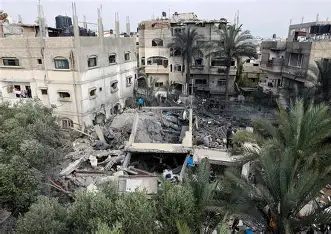
A brief ceasefire between Israel and Iran collapsed late Monday night after both countries exchanged missile attacks, escalating fears of a broader Middle East conflict.
According to Israeli military officials, Iran launched multiple ballistic missiles targeting defense installations in northern Israel. The missiles caused minor structural damage and injured two civilians in the Haifa region.
In response, the Israel Defense Forces (IDF) carried out precision airstrikes on sites allegedly linked to the Iranian Revolutionary Guard Corps (IRGC) in western Iran. Tehran acknowledged the attack but reported no casualties, calling it a “clear act of aggression.”
The strikes come just days after a UN-backed ceasefire was agreed upon, raising hopes of de-escalation. However, both nations had accused each other of minor ceasefire violations over the past week.
The United Nations, European Union, and the United States condemned the fresh violence and urged both sides to return to diplomatic channels. UN Secretary-General António Guterres expressed “grave concern” over the situation and called for “maximum restraint.”
The renewed hostilities have had global economic repercussions, with oil prices rising over 4%, amid fears of disruption to maritime trade routes, especially the Strait of Hormuz.
Security analysts say the collapse of the ceasefire reflects the deep-rooted mistrust between the two nations, with growing risks of a regional spillover involving neighboring countries and proxy forces.
The international community is now watching closely as efforts continue to revive peace talks and prevent further escalation.

