
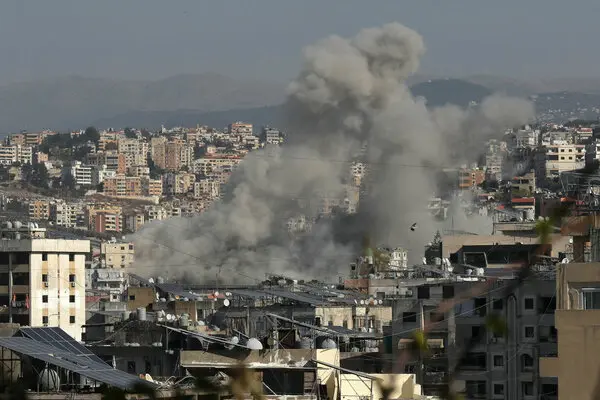
Tensions between Israel and Iran have intensified dramatically following a strong warning from Israel, declaring that “Tehran residents will soon pay the price.” The threat comes in response to aggressive rhetoric from Iran’s Supreme Leader Ayatollah Ali Khamenei, who vowed to strike heavy blows against what he called the “evil Zionist enemy.” As diplomatic efforts falter and military rhetoric escalates, fears of a broader conflict in the Middle East are mounting.
In a statement that has drawn global attention, Israel has signaled a potential retaliatory strike aimed at the Iranian capital, Tehran. This development comes after Ayatollah Khamenei accused Israel of destabilizing the region and vowed to support resistance efforts across Palestine, Lebanon, and Syria
The Israeli government, reportedly working closely with intelligence and defense officials, has issued repeated warnings to Iran regarding its support for militant proxies, including Hezbollah and Hamas. A senior Israeli official stated, “Iran must understand that its aggressive policies and actions will no longer go unanswered. If provocations continue, Tehran will feel the consequences directly.”
The renewed tensions were sparked by Iran’s increased support for anti-Israel factions in the region and its alleged involvement in recent attacks near Israel’s northern border. In response, Israeli Prime Minister Benjamin Netanyahu convened high-level security meetings, emphasizing the need for decisive action to ensure national security.
Analysts believe this latest exchange of threats signals a dangerous shift from proxy confrontations to the risk of direct conflict. “Both sides are now speaking in terms that suggest an erosion of strategic restraint,” noted Dr. Amir Alon, a senior analyst at the Middle East Security Council. “This is no longer limited to shadow warfare.”
The international community has responded with concern, urging de-escalation and a return to diplomatic dialogue. The United Nations Secretary-General called on both nations to “exercise maximum restraint” and warned that further escalation could lead to a full-scale regional war.
Meanwhile, residents in Tehran and Tel Aviv alike are grappling with anxiety over what could come next. Social media in both countries has been flooded with messages of fear, patriotism, and calls for peace. Many Iranians have expressed frustration with their government’s confrontational stance, fearing that innocent civilians could bear the brunt of retaliatory actions.
As Israel and Iran exchange grave threats, the Middle East stands on the edge of heightened instability. While both nations assert their right to defense, the risk of miscalculation remains dangerously high. The global community watches closely, hoping for a resolution that prevents the conflict from spilling into a broader, more devastating war. In the meantime, the citizens of both Tehran and Israel brace for the uncertain consequences of escalating geopolitical brinkmanship.

