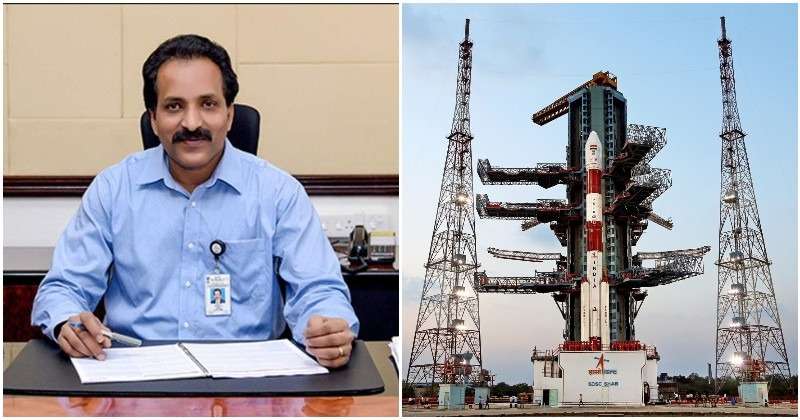
*Space agency to launch RISAT-1A aboard PSLV-C61 on May 18, enhancing India’s surveillance and disaster response capabilities*
Sriharikota, May 16, 2025 – The Indian Space Research Organisation (ISRO) is preparing for a landmark 101st rocket launch, with its Polar Satellite Launch Vehicle (PSLV-C61) scheduled to deploy the RISAT-1A radar imaging satellite on May 18, 2025. ISRO Chairman S. Somanath emphasized that the mission aligns with India’s national security and infrastructure needs rather than entering a global space race.
The launch, from Satish Dhawan Space Centre in Sriharikota, marks another step in India’s growing self-reliance in space technology. RISAT-1A, equipped with advanced synthetic aperture radar (SAR), will significantly bolster India’s earth observation capabilities, particularly in border surveillance, agricultural monitoring, and disaster management during cyclones and floods.
Strategic Importance of RISAT-1A
Unlike optical satellites that rely on sunlight, RISAT-1A’s SAR technology enables high-resolution imaging day and night, unaffected by cloud cover or adverse weather conditions. This makes it invaluable for:
- Defense applications: Monitoring sensitive border areas, particularly along China and Pakistan
- Disaster management: Rapid assessment of flood-hit regions and earthquake damage
- Agricultural planning: Crop yield prediction and soil moisture analysis
“Space technology must serve national priorities first,” Chairman Somanath stated. “While some nations focus on interplanetary missions, our immediate goal is to address India’s security, agricultural, and environmental needs through reliable space infrastructure.”
PSLV’s Proven Track Record
The PSLV, often called ISRO’s “workhorse,” will undertake its 61st flight. With a success rate exceeding 95%, the rocket has previously launched over 400 satellites, including notable missions like Chandrayaan-1 and Mangalyaan. The C61 variant features upgraded avionics for improved precision in satellite deployment.
Balancing Civilian and Strategic Goals
While ISRO maintains its civilian space program mandate, the dual-use nature of RISAT-1A underscores India’s nuanced approach to space security. The satellite’s data will be shared with agencies like the National Disaster Management Authority (NDMA) and Indian Meteorological Department (IMD), but its high-resolution capabilities also hold obvious defense utility.
This launch follows the recent establishment of India’s Defense Space Agency (DSA), reflecting growing integration between civil and military space applications. However, ISRO officials reiterated that all missions comply with international space treaties.
The Road Ahead
With the 101st launch, ISRO solidifies its position as the world’s sixth-largest space agency by launch frequency. Upcoming missions include:
- Gaganyaan: India’s first crewed spaceflight (late 2025)
- NISAR: A joint NASA-ISRO radar satellite for climate studies (2026)
“Every launch builds our expertise to serve national development,” noted Somanath, dismissing comparisons with other space programs. “Our metric is impact, not spectacle.”
Conclusion
The PSLV-C61 mission epitomizes ISRO’s pragmatic focus on leveraging space technology for tangible societal benefits. As global space competition intensifies, India’s strategy of prioritizing domestic needs while gradually expanding its scientific footprint offers a model of sustainable space exploration.