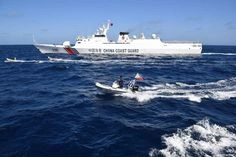
Tensions have been simmering in the South China Sea for years, but lately they’ve spilled over into something that feels like a powder keg. Japan and the Philippines, two countries in the same regional squeeze, are moving forward with their defense alliance faster than anyone imagined. Japan’s new limitations on military exports and the Philippines’ severe need to beef up its marine defenses are shifting the calculus on treaties such as the Reciprocal Access Agreement and talk of vessel handovers.
This is not a handshake between two countries. This is a direct response to China exercising its muscles in disputed waters, where fishing boats battle, coast guards shadow each other and the danger of a larger confrontation looms high. To those in Manila and Tokyo, these steps are a sign of a drive toward actual interoperability—troops training together, ships sailing side by side. But what does this mean for the rest of the Indo-Pacific, with actors such as India looking closely?
Roots of a partnership
Japan-Philippines defense story did not develop overnight. They signed the Reciprocal Access Agreement, or RAA, in 2023, which allows each other’s forces to send personnel and gear to each other’s soil without the customary red tape. The accord ultimately came into effect in September, the first time Japanese troops had been on Philippine soil since World War II.
Fast forward to early 2026 and things got hot. In January, they signed two new agreements: one for the exchange of supplies like as gasoline and ammunition during joint operations, called the Acquisition and Cross-Servicing Agreement, and another to bolster general security ties. Japanese Foreign Minister Toshimitsu Motegi and his Philippine counterpart Theresa Lazaro inked a document in Manila, with Japan offering an extra $6 million for boat facilities.
Japan has also been sending gear. Picture coastal radars in 2024, Parola-class patrol boats sponsored by help and even Teresa Magbanua-class ships. These are not freebies; these are building bricks for Manila’s navy, which has been outgunned by China’s enormous coast guard fleet — 157 major patrol ships to the Philippines’ 25. Why now ? Both sides agree that maritime lanes should be kept open and that they should push back against “unilateral actions,” a code phrase for Beijing’s nine-dash line assertions.
The Big Policy Shift in Japan
Japan’s defense playbook was rewritten, and that’s propelling this surge. Tokyo has held to pacifist traditions, but amended “Three Principles on Transfer of Defense Equipment and Technology” now give the go-ahead for shipments of lethal weapons to select partners like the Philippines. In April 2026 they again changed the requirements, looking at excess items like as Abukuma-class destroyers and TC-90 aircraft for rapid handover.
During a visit to Manila in May, Defense Minister Shinjiro Koizumi announced the announcement, with Philippine Secretary Gilberto Teodoro at his side. In principle they agreed to transfers, as well as sharing intelligence and more drills, all under a “free and open Indo-Pacific” umbrella. Koizumi called it a framework for tech collaboration, with maintenance hubs where Japanese enterprises might set up shop for repairs and upgrades.
This matters because Japan’s tech edge — Mitsubishi Electric radars, sophisticated destroyers — fills holes in Philippine kit. Manila’s 15-year renovation is coming to a close, but it’s scrambling amid delays and cost overruns. Maritime security is a new area of Japanese help, including 2023’s Overseas Security Assistance, with billions pumped in via ODA. Prime Minister Shigeru Ishiba even joked they are “almost like allies” today.
Live Fire and Practical Training
Words are cheap. Drill is genuine. Philippine and Japanese military held their first combined live-fire drill just days ago at Col. Ernesto Rabina Air Base in Tarlac. Japan’s Ground Self-Defense Force took part in this year’s Salaknib series, which generally includes the US, blasting targets to sync tactics.
They must not be showpieces. The RAA smooths soldier rotations. Supply pacts assure ammo and fuel flow during ops. Expect more: The Balikatan drills with the US already included Japan last year and preparations for 2026 are shaping up to be greater. Interoperability is Japanese pilots landing on Philippine carriers, sharing radar feeds identifying Chinese warships early.
It’s the Philippines’ lifeline. Their coast guard recorded regular encounters in their exclusive economic zone, water cannon attacks and blockades at Second Thomas Shoal. Joint training creates muscle memory, which is critical when seconds matter in a standoff.
CHINA IN THE BIGGER PICTURE
No story on this cooperation misses Beijing. What is China saying? Predictably thorned. State media denounced the deals as “complicating” the South China Sea and warned Manila against “external forces.” “The bringing in of strangers will merely muddy waterways already claimed under the nine-dash line,” as one expert puts it.
Tensions flared as CCG ships shadowed and rammed and flew over Philippine resupply missions. Japan has its own East China Sea headaches over the Senkakus—linking the two fronts. Tokyo and Manila’s ties have been tightening amid Beijing’s “two-front problem”: hedging against gray-zone operations like militia boats dressed as fisherman.
Both countries appeal to UNCLOS and a rules-based system, but enforcement is tricky without teeth. These deals add teeth, warning China that aggression comes with a broader net—US treaty friends, Quad partners, the whole nine yards.
Global Ripples India’s Take
This is not an exception. The US cheers it on, trilateral meetings and Balikatan drills knit everyone together. Europe eyes in too, via minilaterals. And what about India? As a Quad mate with Japan, Delhi is all in on Indo-Pacific stability. This is seen in shared concerns about China’s Indian Ocean incursions and Malabar exercises – may Philippines ties involve greater joint patrols or technology exchanges?
From Nagpur to Manila the stakes feel personal. Indian Ocean commercial routes run into South China Sea choke points; interruptions affect everyone. India’s defence pacts with Japan, such as 2+2 talks, offer a blueprint – may the Philippines be invited to join future Quad-plus exercises? That is a subject to consider as affiliations blur.
Here’s a quick picture of some of the important assets streaming out of Japan:
Coastal radars (2024) Improve surveillance.
Patrol boats (Parola/Teresa classes) – frontline workhorses financed by ODA.
Potential: Abukuma destroyers, TC-90 aircraft, FPS-3ME radar.
These cover Philippine needs without breaking budgets and building local MRO centers for sustenance.
Challenges Ahead
Easy sailing? Not at all. Philippines’ constitution limits spending; corruption scandals plague procurement. Japan encounters domestic pacifist opposition to exports. “Interoperability takes time. Language obstacles. Different ideologies.
China might up the ante: additional blockades, cyber assaults or economic squeezes. Beijing is already courting ASEAN fractures, pressing Manila through trade. And disasters? Both are powerful typhoons. The pacts include humanitarian help, mixing security and relief.
But momentum is building. Teodoro and Koizumi’s May presser emphasized urgency, going straight at “unilateralism”. Will it ever end? Or shake? Only time will tell, but standing alone is no longer an option.”
Japan, Philippines Forge Ironclad Defense Ties Amid South China Sea Storm