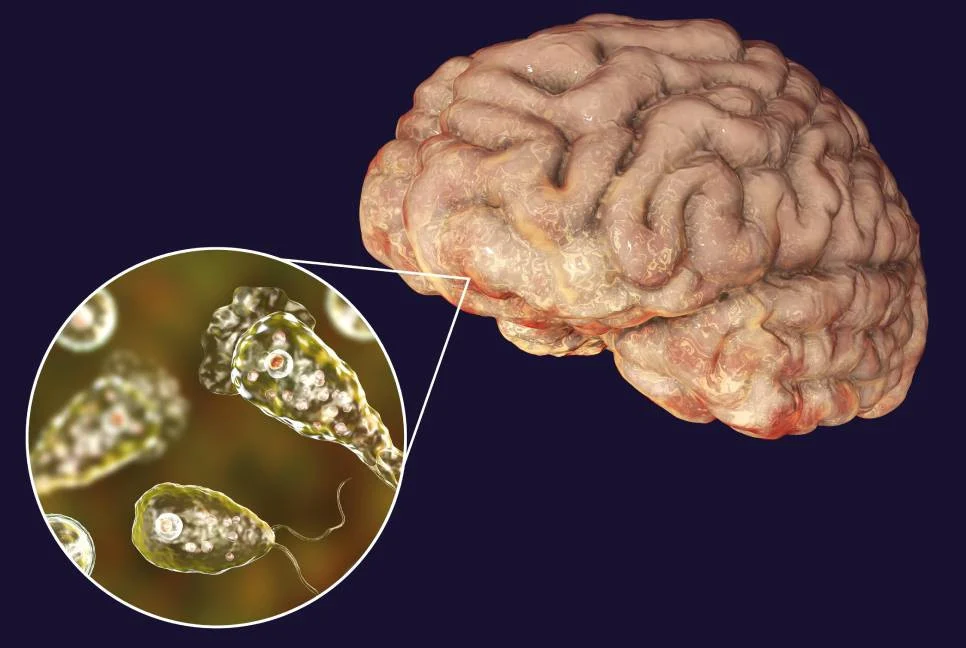
Health authorities in Kerala have confirmed that at least 19 people have died this year from Primary Amoebic Meningoencephalitis (PAM), an acute brain infection caused by the free-living amoeba Naegleria fowleri. Although rare, the disease is often fatal and is now being detected more frequently in different districts of the state.
What Causes the Illness
Naegleria fowleri, commonly dubbed the “brain-eating” amoeba, lives naturally in warm, untreated freshwater such as ponds, lakes and rivers. It can also persist in poorly maintained swimming pools. The organism infects people when contaminated water enters the nose during activities like swimming or diving; from there it can reach the brain. Drinking contaminated water does not cause the disease, and it is not spread from person to person.
Symptoms to Watch For
Early signs appear within a few days of exposure and may include high fever, intense headache, nausea, vomiting and stiff neck. As the infection progresses, confusion, seizures and coma can occur. Because symptoms resemble meningitis, early diagnosis is difficult but crucial for any chance of survival.
Treatment Challenges
Globally, PAM has a mortality rate exceeding 90 %. Doctors may use drugs such as amphotericin B or miltefosine in combination, but outcomes depend on very rapid detection and aggressive therapy. Kerala health officials note that increased awareness and faster testing have improved reporting of cases, though prevention remains the safest option.
How to Reduce Your Risk
- Avoid swimming or bathing in warm, stagnant freshwater, especially in hot weather.
- Make sure swimming pools are properly chlorinated and maintained.
- Use only boiled or distilled water for nasal rinsing or neti pots.
- Wear a nose clip or keep your head above water if you must swim in natural water.
- Seek immediate medical attention if you develop severe headache, fever or neurological symptoms after freshwater exposure.
Why Kerala Is Seeing More Cases
Public-health experts attribute the uptick to a mix of environmental factors—such as warmer water temperatures—and better diagnostic facilities that detect cases that once went unnoticed. Authorities have urged citizens not to panic but to take commonsense precautions when using natural water sources.
Conclusion
Although “brain-eating” amoeba infections are extremely rare, the Kerala deaths underline the need for vigilance. Understanding how the amoeba spreads and following simple preventive measures can greatly reduce the risk. Anyone who suspects exposure and experiences sudden neurological symptoms should seek medical care immediately.