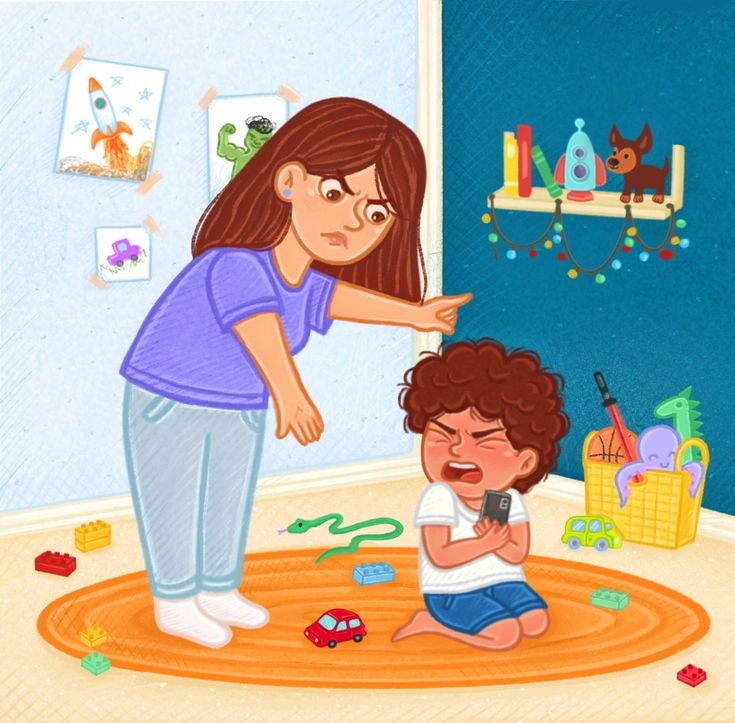
Are your kids having tantrums all day during their summer break? If you follow this program, you’ll see a difference straight immediately.
Parents in Pune to Patna are dealing with the same concerns as summer vacation extends across India: incessant tantrums, clashes between siblings, and the dreaded “I’m bored!” chorus. Kids get more anxious when school is out and their routines are interrupted. This makes what should be a joyous break into pandemonium. But research-based solutions can assist. A well-planned summer routine for kids isn’t strict; it’s a flexible structure that stops children from having summer meltdowns, helps them become more autonomous, and even turns boredom into a superpower. This post talks about why kids grow anxious during summers with little structure, gives an example of a daily schedule for kids in the summer, and shares tips that work to keep things moving without disputes.
Why kids get anxious when there isn’t any structure in the summer
Kids love unstructured time, but it can be hard for them. Child psychologists claim that the brain requires things to be the same all the time. A study by the American Psychological Association in 2023 found that kids ages 4 to 12 have cortisol levels (the stress hormone) that are up to 30% higher when their routines are not regular. This is similar to the symptoms of anxiety disorders. This effect is stronger in India, where the summer heat makes people more irritable. Dr. Priya Sharma, a child psychologist in Mumbai, adds, “Kids respond well with rhythm.” They act out or stay away from summer meltdowns because they feel disoriented without it.
The Journal of Child Development suggests that children without structured summer activities are more likely to show behavioral problems, such as anger and sleep issues. The school year, with its set schedule of bells, classes, and assignments, naturally creates a structured environment.
When children go on vacation, they lose these things, which can make them feel disoriented. A 2025 survey by India’s National Institute of Mental Health and Neurosciences (NIMHANS) showed that 62% of urban parents said their children were more anxious after the summer break. This was often linked to children not getting enough sleep and being too stimulated by their electronic devices.
The good news?
A normal summer schedule for kids helps things get back on track. It helps the body maintain its circadian rhythm in check, keeps blood sugar levels consistent by taking meals at specific times, and teaches people how to control their emotions. Parents who have employed these routines say their kids experience 40–50% fewer meltdowns in the first week, according to posts on forums and apps like Parentune.
A Sample Daily Routine for a Stress-Free Summer
You don’t have to be as exact as a soldier when you make a summer schedule for kids. Instead, strive to be open-minded when it comes to anchoring. This example is for youngsters between the ages of 5 and 12, but you may alter it to work for toddlers or teens. It has 10 to 12 hours of planned activities, such as learning, playing, sleeping, and free time, but it also allows for some free time.
Get up and conduct your morning routine between 6:30 and 7:00 AM.
Get some sun and drink some water to begin. A 5-minute family thanksgiving circle or some mild stretching could help you feel better. Start your day by reading a picture book or doing some simple breathing exercises instead of staring at your phone.
7:00 to 8:00 AM: Hygiene, breakfast, and learning
A good dinner is anything like oats with fruit or idli-sambhar. Then, for 30 to 45 minutes, conduct “brain food” activities like reading, completing puzzles, or working on Khan Academy Kids modules. Every day, change the subjects. For example, do science projects on Mondays and tell stories on Tuesdays.
8:00 to 10:00 AM: Time to play
There is no talk about time outside. Going to the park, riding your bike, or playing games in the yard are all terrific methods to obtain more vitamin D and burn off energy. During India’s sweltering summers, do yoga or dance inside in the early morning or late at night.
10:00–10:30 AM: A snack and some quiet time
Eat yogurt or fruit to get your energy back. Talk about what you want to do today in a calm way.
10:30 AM to 12:00 PM: Block for Creativity or Skills
Art, crafts, or music. Encourage kids to make items like bird feeders out of things they already have. This will help kids learn more about the world around them.
12:00 to 1:00 PM: Lunch and family time
A meal that has the correct amount of carbohydrates, protein, and vegetables. When you eat together, don’t use devices. This will make your ties stronger.
From 1:00 to 3:00 PM, you can take a rest or play by yourself.
Younger kids should take naps, while older kids should read or play alone in solitude. This charges without having to stop fully.
3:00–4:00 PM: Go outside and play or go on an adventure.
Going outside to play in the backyard or wander around the neighborhood without an adult. This is where the benefits of boredom for kids come in. More on that later.
4:00–5:00 PM: Time to have a food and have some fun
Nuts or smoothies, and then do things that are special to you, like coding apps or gardening.
5:00–6:00 PM: Take it easy and do something light.
Board games or puzzles that everyone can play will help the family adjust.
Dinner prep and eating from 6:00 to 7:00 PM
Let kids help with simple cooking to teach them how to be responsible.
Time to go to bed from 7:00 to 8:00 PM
Bath time, story time, and bed time are all around 8:30 PM, and they sleep for 10 to 11 hours.
Put this on a colorful chart in the kitchen where the kids can see it. They enjoy crossing things off their list. Offer after-school care or evening sessions to make things easier for parents who work.
How to Get Kids to Stick to the Schedule Without Fighting
Resistance is normal, but enforcement doesn’t have to be. Experts feel that “front-loading” buy-in is a good idea:
Include Them in the Planning: Before summer, have a family meeting. Give them the freedom to chose what to do; this will make them feel like they own it. A study published in Pediatrics in 2024 indicated that following routines together makes people 70% more likely to follow them.
Use picture schedules and phone alarms to help you see things. ChoreMonster and other applications turn it into a game.
Use positive reinforcement instead of punishment. Don’t shout; gently change direction. If someone has a meltdown, say something like “I see you’re upset” to convey that you understand, and then help them calm down.
Follow the plan 80% of the time, but leave 20% for birthdays or heavy rain. As habits form, you should slowly stop keeping an eye on them.
People in WhatsApp groups can’t stop talking about this. One mother from Pune remarked that her 7-year-old son now learns blocks on his own, which makes things less dramatic every day.
Why Free Time Is Summer’s Secret Weapon: How to Get Bored
It’s interesting that youngsters are better off when they are bored than when they are always occupied. Neuroscientist Dr. Jaak Panksepp’s research indicates that children flourish creatively when given unstructured time. They conjure up new games, tackle challenges, and build resilience. A 2025 UK study revealed that children granted one to two hours of daily free time demonstrated a 25% improvement in emotional regulation.
Boredom, in a world dominated by screens, acts as a counterbalance to “digital dementia.” Rather than constantly seeking entertainment, consider assembling a “boredom basket” filled with recyclables, sketchbooks, and various loose components.
Indian summers, with their heat and power disruptions, naturally cause this to happen. Make it a good thing. “”Being bored teaches you how to wait for pleasure, which is a skill that lasts a lifetime,” explains child development expert Dr. Shefali Tsabary.
Reward Systems That Work: More Than Just Candy and Screens
The Center for the Developing Child at Harvard thinks that sugar highs and iPad rewards don’t work. Pick parental reward systems that work and are based on what kids want to do, like:
Rewards Based on Experience: Letting kids choose the music for dinner, giving them extra time at the park, or telling them stories are all terrific ways to establish memories that last without having goods.
Privilege Escalators: “Helper badges” for duties that let you go on family outings. This helps kids feel proud and independent.
Tangible Tokens: Sticker charts that lead to a book or toy after five days. They teach patience by making individuals wait for what they desire.
Social Kudos: Family cheers or “star of the day” shoutouts that leverage appreciation from friends and family to get you going.
Every week, check how far you’ve come. A viral piece of advice from parenting experts: Combine “no-reward days” with “no-reward days” to make it normal for kids to work hard without expecting anything in return. This plan makes people obey the rules for a long period, which stops summer meltdowns by making good cycles stronger.
Kids’ Summer Schedule: How to Stop Tantrums and Build Strength